How to Store Clothes in a Storage Unit Without Damage |
| STORAGE UNITS FOR CLOTHES
⏱ 10 min read ·
📄 #1,879 words
Learn the best ways to store clothes in storage units. Covers containers, climate control, packing methods, and preventing mold for seasonal and long-term storage.
|
S tore clothes in airtight plastic bins with lids for folded items and breathable garment bags for hanging pieces. Choose a climate-controlled unit if temperatures exceed 85°F or drop below 50°F, and always wash and completely dry garments before packing. Most clothing stores safely for 1 to 5 years when protected from moisture, pests, and temperature extremes.
| Key Points: | |
|---|---|
| • | Use clear plastic bins with snap-lock lids ($8 to $25 each) for folded clothing; avoid cardboard for long-term storage |
| • | Climate-controlled units cost $50 to $150 per month for 5x10 spaces and maintain 55 to 80°F year-round |
| • | Wash all garments and ensure 100% dryness before packing to prevent mold growth within 24 to 48 hours |
| • | Add silica gel packets (1 to 2 per bin) or moisture absorbers to reduce humidity below 50% |
| • | Inspect stored clothes every 3 to 6 months to catch moisture or pest issues early |
Best Storage Containers for Clothes
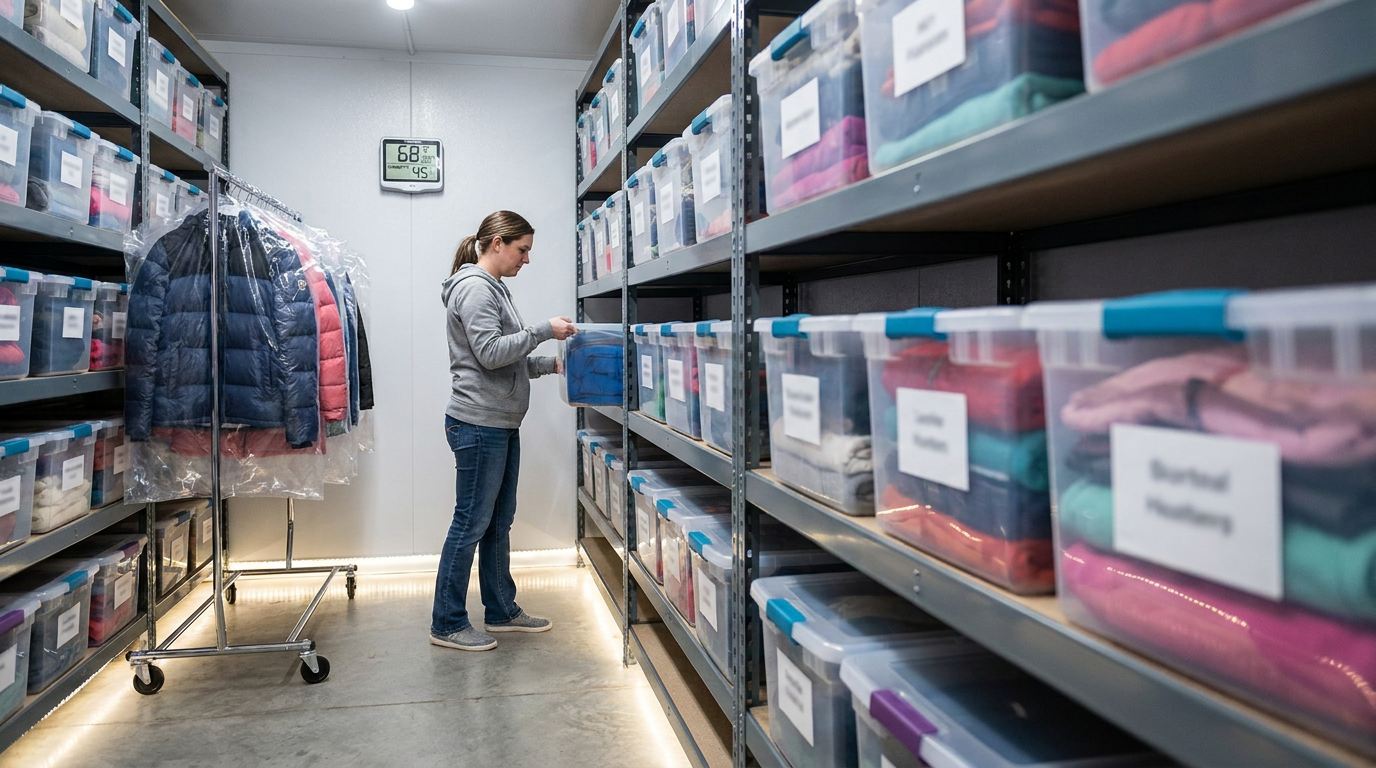
Container choice directly impacts how well your clothes survive storage. According to StoreSpace's storage guide, airtight plastic bins outperform cardboard boxes for long-term protection. Plastic prevents moisture infiltration and blocks pests that can damage natural fibers like cotton, wool, and silk.
Clear plastic bins with snap-lock lids range from $8 to $25 depending on size. Brands like Sterilite, Rubbermaid, and IRIS USA offer stackable options that maximize vertical space in storage units. Large storage containers for clothes (66 to 105 quart capacity) hold approximately 20 to 30 folded items each.
Fabric storage bins with lids work well for short-term storage (under 6 months) but lack the moisture barrier needed for extended periods. Reserve these for closet organization at home rather than off-site storage units.
| Container Type | Best For | Cost Range | Max Storage Duration |
|---|---|---|---|
| Plastic bins with lids | Folded clothes, sweaters, jeans | $8 to $25 | 5+ years |
| Wardrobe boxes | Suits, dresses, coats | $12 to $20 | 1 to 2 years |
| Canvas garment bags | Delicate hanging items | $10 to $30 | 3+ years |
| Vacuum storage bags | Bulky items, bedding, winter coats | $15 to $40 (set) | 1 to 2 years |
| Cardboard boxes | Short-term moves only | $2 to $5 | Under 3 months |
Climate Control: When You Need It
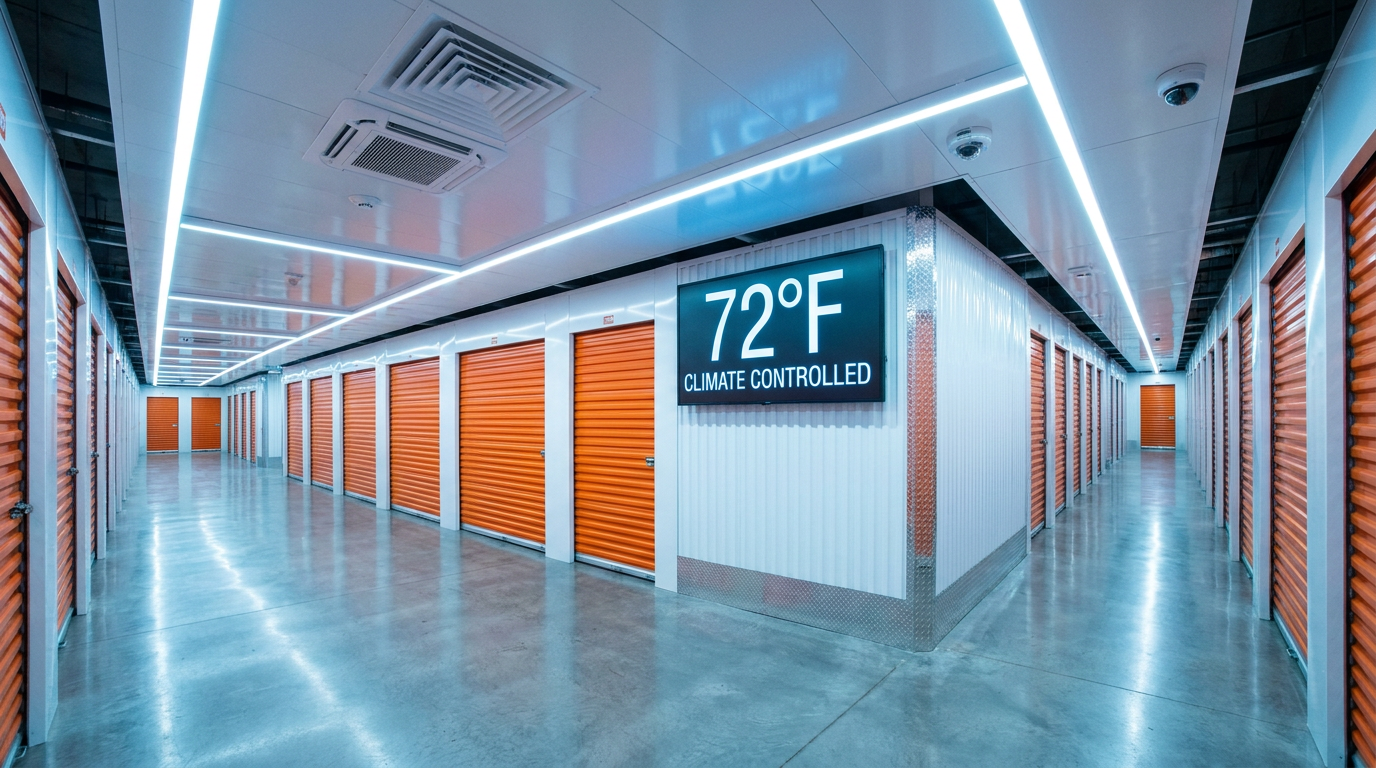
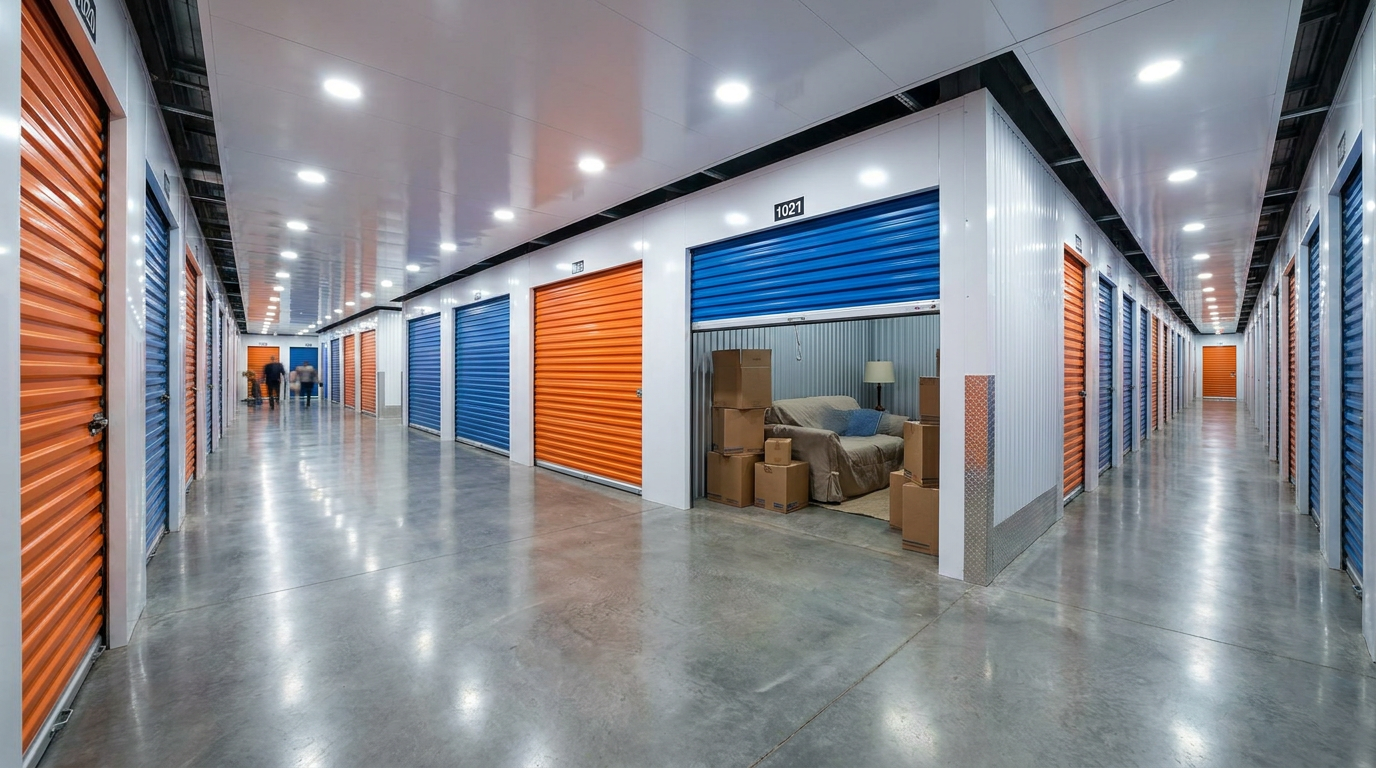
Climate-controlled storage units maintain temperatures between 55°F and 80°F with humidity levels below 55%. According to Guardian Storage, these conditions prevent the mold, mildew, and fiber degradation that occur when fabrics experience extreme temperature swings.
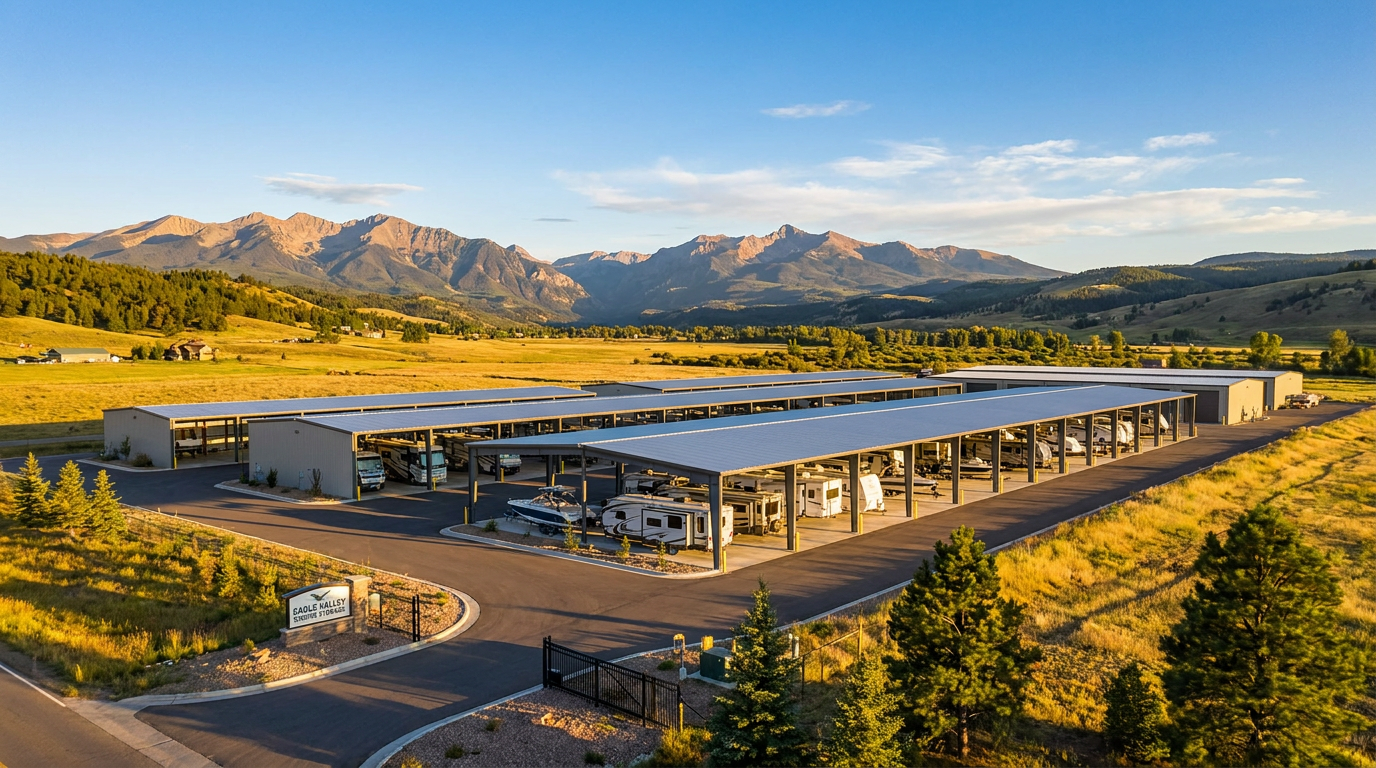
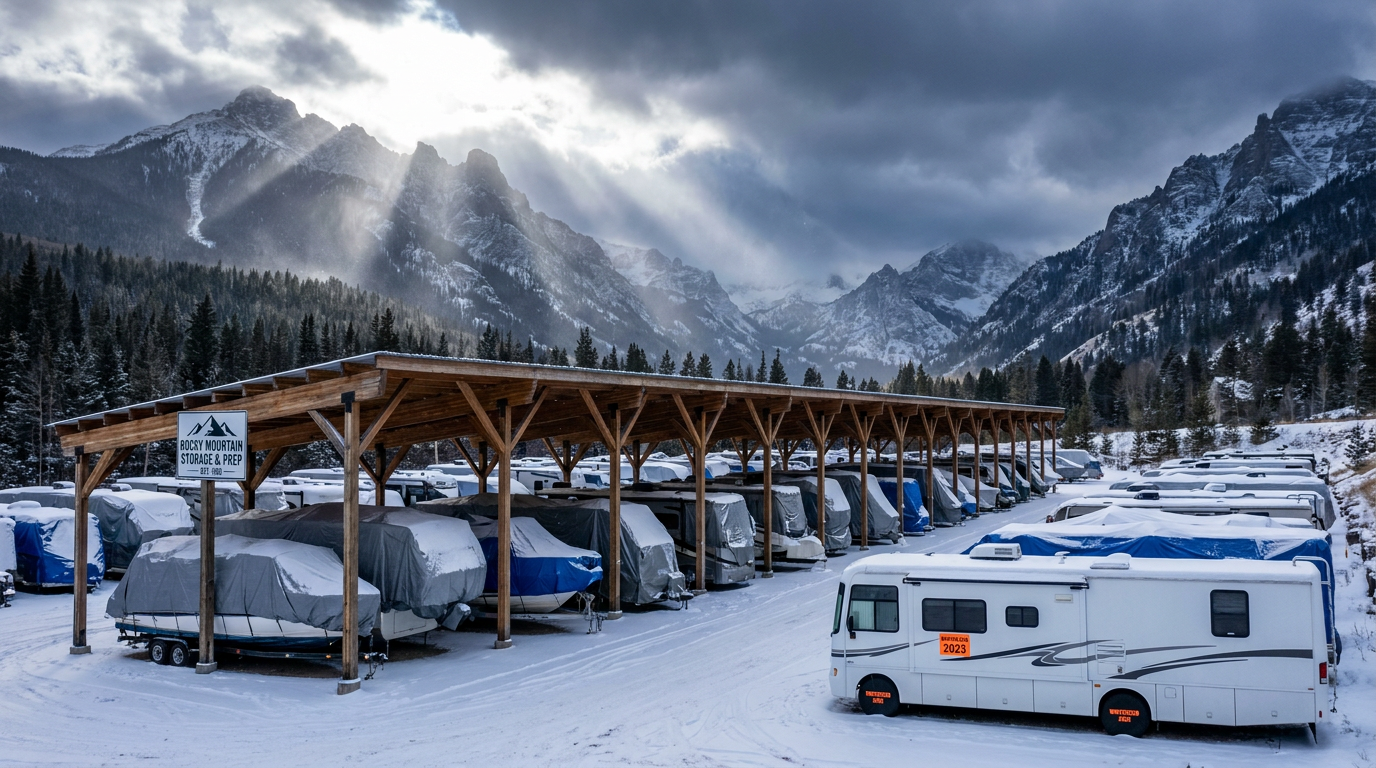
Standard storage units in regions with hot summers (above 90°F) or cold winters (below 32°F) expose clothes to damaging conditions. In Colorado's mountain climate, temperatures can swing 40°F in a single day. Facilities like Eagle Canopy in Gypsum experience elevation-related UV intensity and temperature extremes that affect stored items.
Climate control adds $25 to $50 per month to standard unit pricing. A 5x5 climate-controlled unit costs $40 to $80 monthly, while a 5x10 unit runs $50 to $150 depending on location and facility amenities.
Fabrics That Require Climate Control
Natural fibers absorb moisture and degrade faster than synthetics. Wool, silk, cashmere, and linen need climate control for storage exceeding 6 months. Leather and suede are particularly vulnerable, developing cracks in dry conditions and mold in humid environments.
Synthetic fabrics like polyester, nylon, and acrylic tolerate wider temperature ranges. However, extreme heat (above 100°F) can cause plastic components like buttons and zippers to warp or melt.
How to Prepare Clothes for Storage
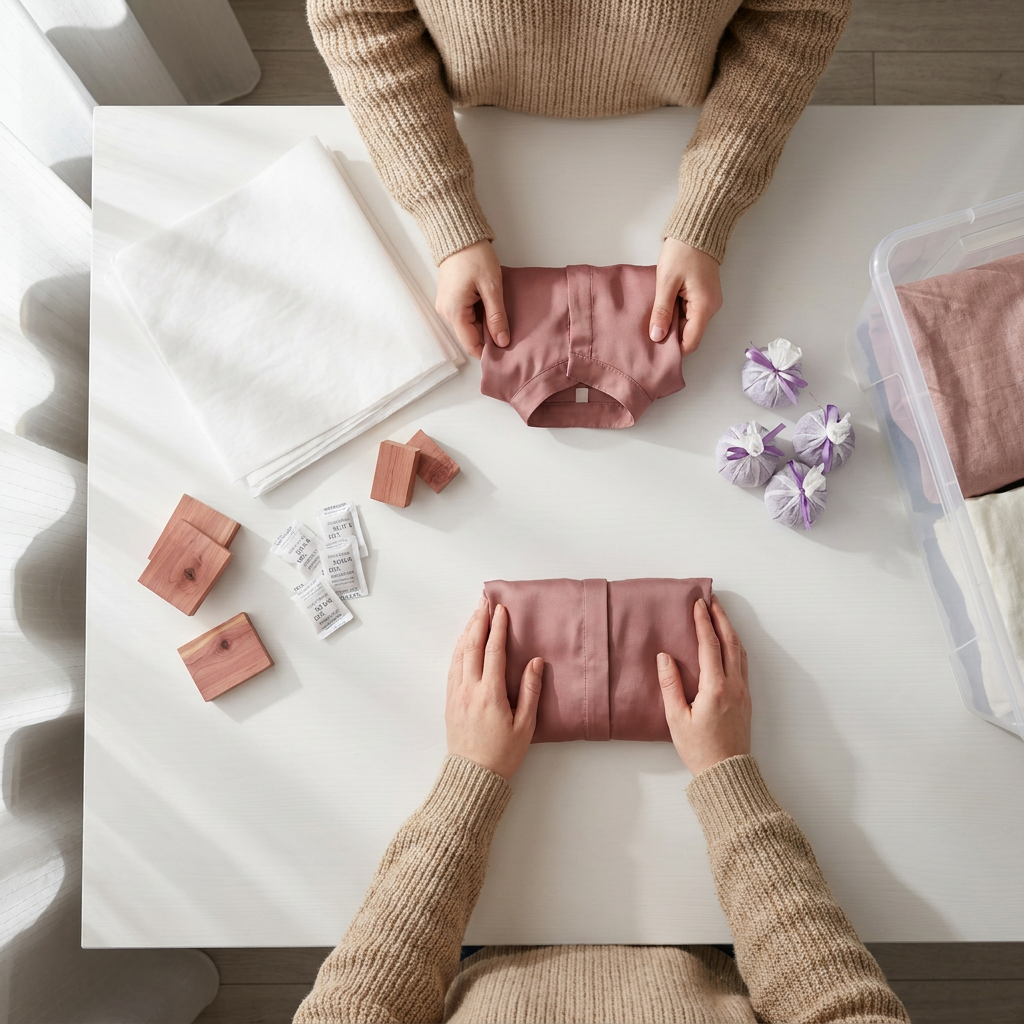
Proper preparation prevents 90% of storage-related clothing damage. Unwashed clothes attract insects and develop odors that become permanent over time. Body oils, food stains, and perspiration create ideal conditions for mold growth within 48 hours in humid environments.
Step-by-Step Packing Process
Step 1: Wash everything. Launder or dry clean all items before storage. Use unscented detergent to avoid attracting pests. Check care labels for specific washing instructions on delicate fabrics.
Step 2: Dry completely. Ensure garments are 100% dry before packing. Even slight dampness causes mold within days. Air dry for 24 hours after machine drying if you have concerns about moisture.
Step 3: Sort by fabric type. Group natural fibers separately from synthetics. This allows you to prioritize climate-controlled placement for sensitive items and use standard containers for durable fabrics.
Step 4: Fold or hang appropriately. Fold knits and heavy sweaters to prevent stretching. Hang structured garments like suits, blazers, and formal dresses in breathable garment bags. Avoid wire hangers that create shoulder bumps.
Step 5: Add moisture control. Place 1 to 2 silica gel packets per bin. For larger containers, use DampRid or similar moisture absorbers. Cedar blocks deter moths but do not replace proper cleaning.
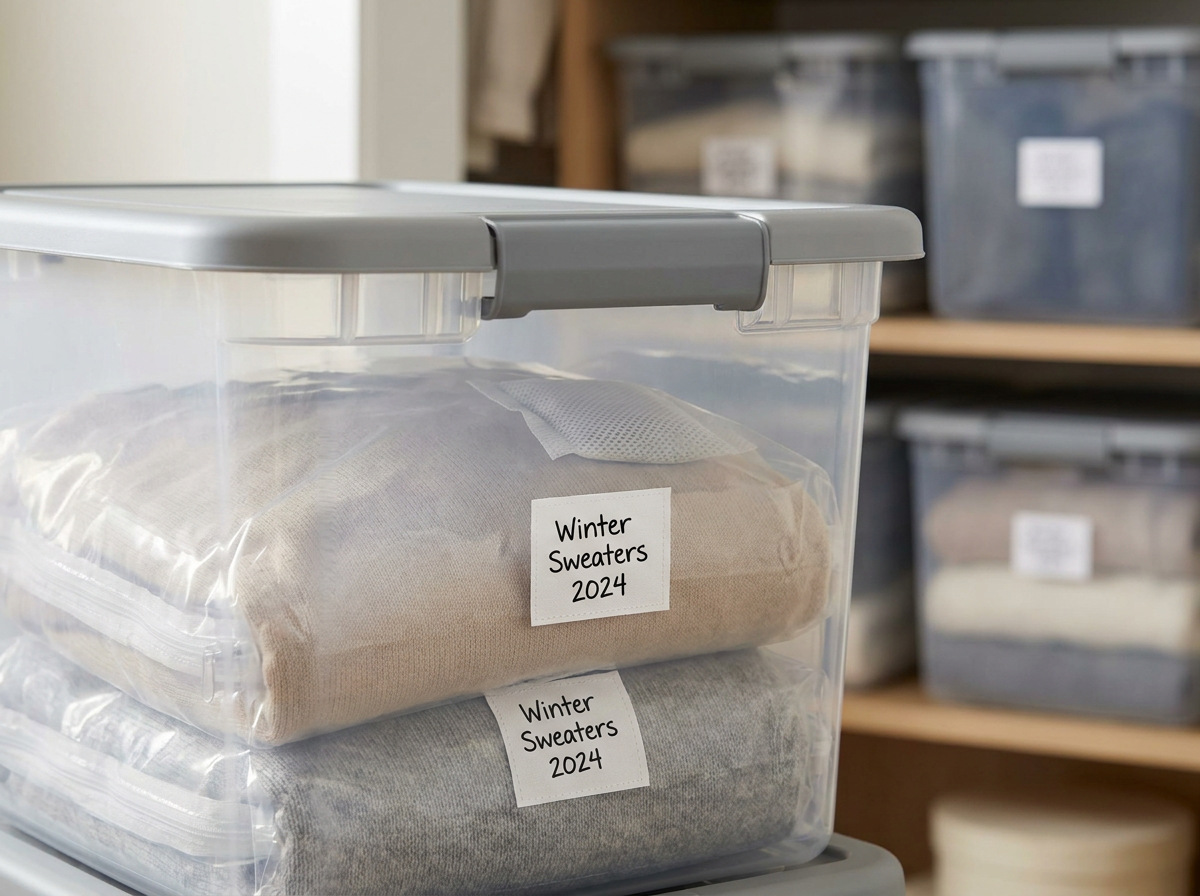
Step 6: Label everything. Mark bins with contents, date stored, and any special handling notes. This saves time when retrieving specific items and helps you track storage duration.
Preventing Mold and Mildew
Mold spores exist everywhere and activate when humidity exceeds 60% combined with organic material and warmth. According to the Extra Space Storage guide, the key to mold prevention is controlling moisture before and during storage.
Airtight containers create a sealed environment that limits humidity fluctuation. However, sealing damp clothes traps moisture inside, accelerating mold growth. Always verify complete dryness before closing containers.
Elevate bins off concrete floors using pallets or shelving. Concrete absorbs ground moisture and transfers it to cardboard or permeable containers. A 4-inch elevation creates an air barrier that prevents moisture wicking.
Signs of Moisture Problems
Check stored clothes every 3 to 6 months for early warning signs. Musty odors indicate mold growth even before visible spots appear. Yellowing on white fabrics suggests oxidation from humidity exposure. Stiff or crunchy textures mean fabrics absorbed and released moisture repeatedly.
Pest Prevention Strategies
Moths, silverfish, and carpet beetles cause irreversible damage to natural fibers. Adult moths do not eat fabric; their larvae consume wool, silk, and cashmere. A single moth can lay 50 to 100 eggs that hatch within 4 to 10 days in warm conditions.
Washing removes eggs and larvae before storage. Freezing delicate items at 0°F for 72 hours kills all life stages of fabric pests. This method works well for vintage clothing or items that cannot be washed.
Cedar and lavender deter adult moths but do not kill larvae already present. Use these as supplementary protection, not primary defense. Mothballs (naphthalene or paradichlorobenzene) work effectively but leave persistent chemical odors and pose health risks in enclosed spaces.
Storage Unit Size Guide for Clothing
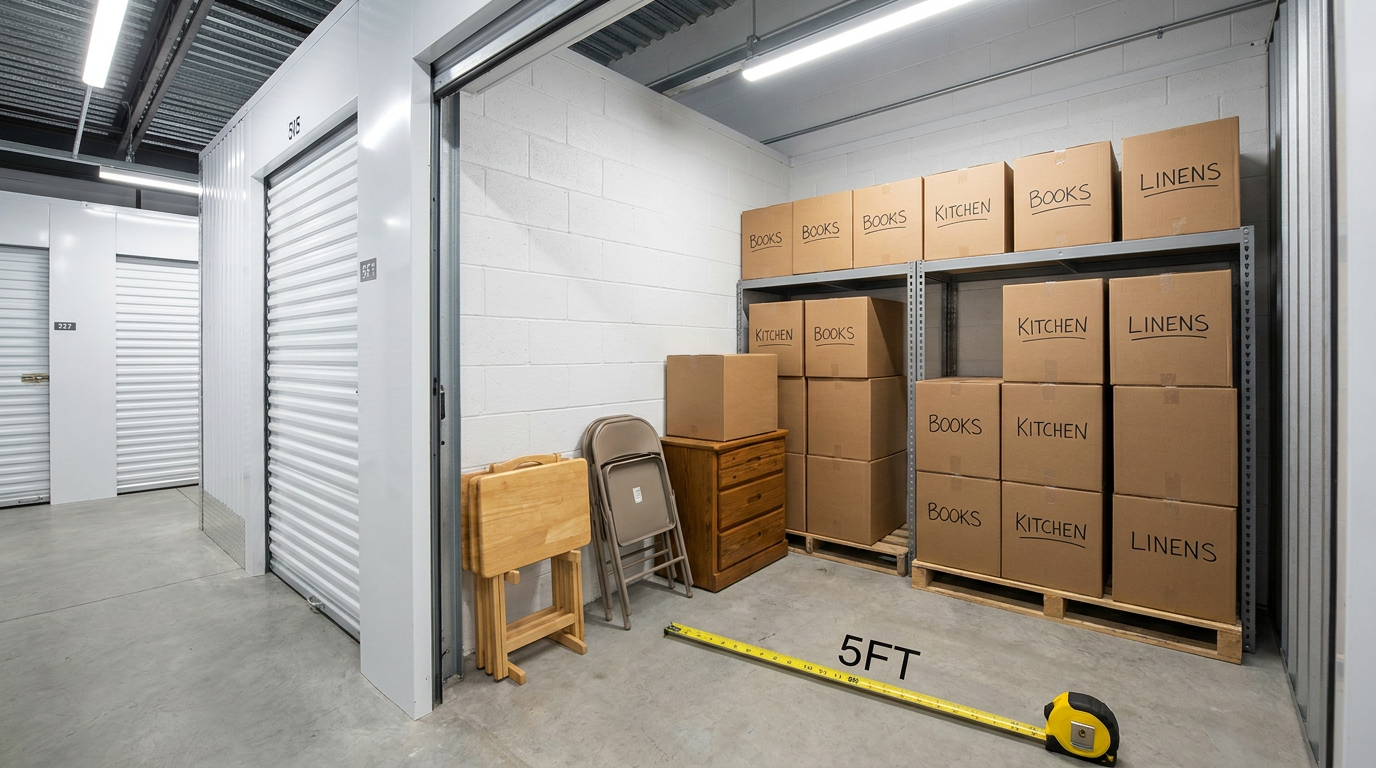
A 5x5 storage unit (25 square feet) holds approximately 10 to 15 large bins of clothing, equivalent to one to two closets worth of items. This size works for seasonal wardrobe rotation or storing a single person's off-season clothes.
A 5x10 unit (50 square feet) accommodates an entire household's clothing overflow, including hanging items on portable racks. Expect to fit 20 to 30 bins plus wardrobe boxes for suits and dresses.
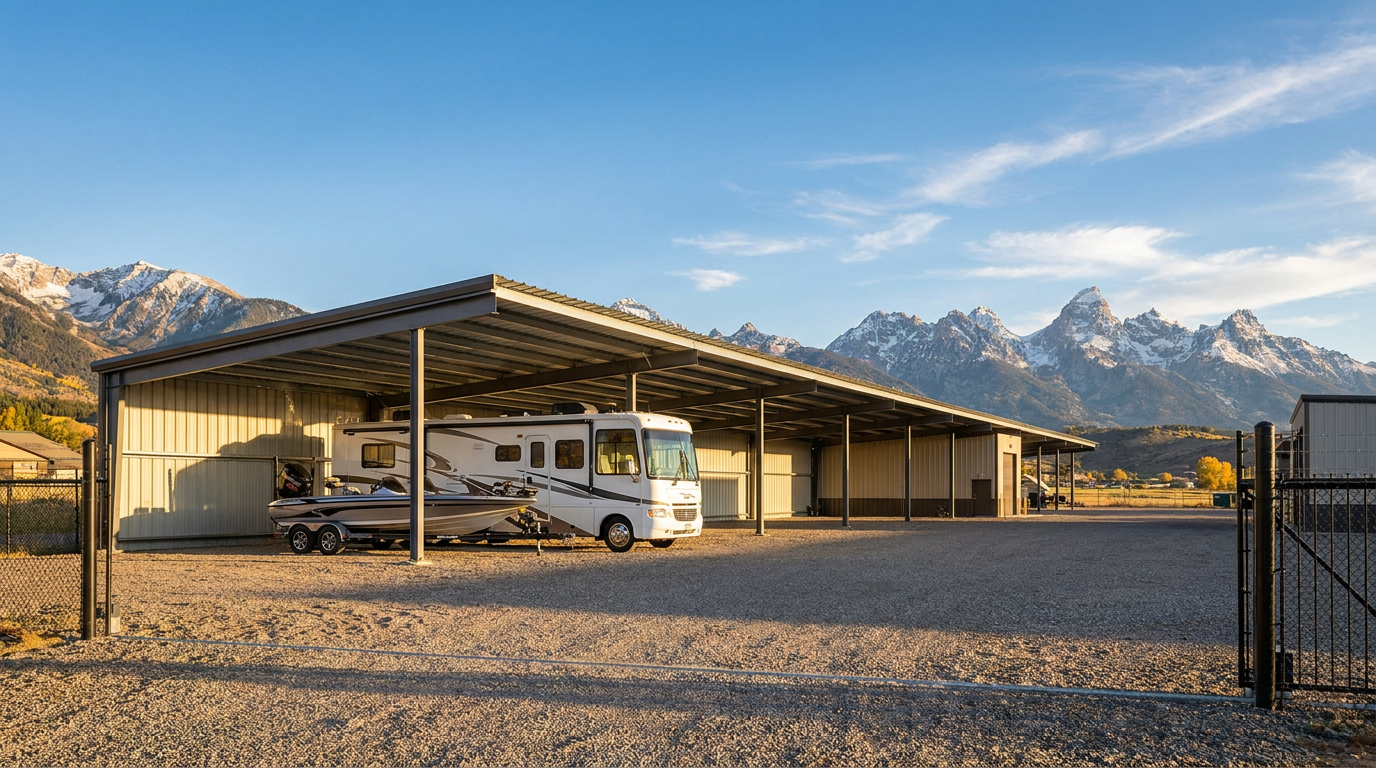
For larger collections or combined household goods, 10x10 units (100 square feet) provide room for clothing, furniture, and other belongings. If you need to store vehicles alongside household items, facilities like Eagle Canopy RV Storage offer covered parking with adjacent storage options.
What Not to Store in a Storage Unit
Certain items should never go into storage units regardless of climate control. Wet or damp clothing creates mold colonies that spread to other containers. Items with active pest infestations contaminate the entire unit.
Fur coats and high-value vintage pieces require specialized cold storage facilities that maintain temperatures between 45°F and 55°F with 50% humidity. Standard climate control does not meet these precise requirements.
Heavily soiled work clothes with grease, paint, or chemical residue attract pests and may violate facility regulations. Clean thoroughly or dispose of items that cannot be properly laundered.
Frequently Asked Questions
Is it okay to store clothes in a storage unit?
Yes, storage units safely hold clothes for months to years when properly prepared. Use airtight plastic containers, ensure all items are clean and dry, and choose climate control for natural fibers or storage exceeding 12 months. Standard units work for short-term storage of synthetic fabrics in moderate climates.
What is the best storage for clothing?
Clear plastic bins with snap-lock lids provide the best protection for most clothing. They block moisture, prevent pest entry, and allow visual identification of contents. For hanging garments, breathable cotton or canvas garment bags protect against dust while allowing air circulation to prevent mustiness.
What is the best way to store clothes in storage?
Wash and completely dry all items before packing. Use plastic bins with lids for folded clothes and garment bags for hanging items. Add silica gel packets for moisture control. Elevate containers off concrete floors and check stored items every 3 to 6 months for signs of moisture or pest damage.
Where can you store clothes if you do not have a closet?
Options include under-bed storage bins, freestanding wardrobes, over-door organizers, and off-site storage units. IKEA's PAX system and similar closet organizers create wardrobe space in any room. For overflow or seasonal items, a 5x5 self-storage unit ($40 to $80 per month) holds 10 to 15 bins of clothing with 24/7 access at most facilities.
How long can clothes stay in storage?
Properly stored clothes last 5 or more years in climate-controlled conditions. Natural fibers like wool and silk require climate control for storage beyond 6 months. Synthetic fabrics tolerate standard storage for 2 to 3 years. Inspect items annually and replace moisture absorbers every 6 to 12 months.
Should clothes be hung or folded in storage?
Fold knits, sweaters, and stretchy fabrics to prevent hanger marks and shoulder bumps. Hang structured garments like suits, blazers, wool coats, and formal dresses to maintain shape. Use padded or wooden hangers rather than wire, which creates permanent creases and distortion.
Organizing Your Storage Unit for Easy Access
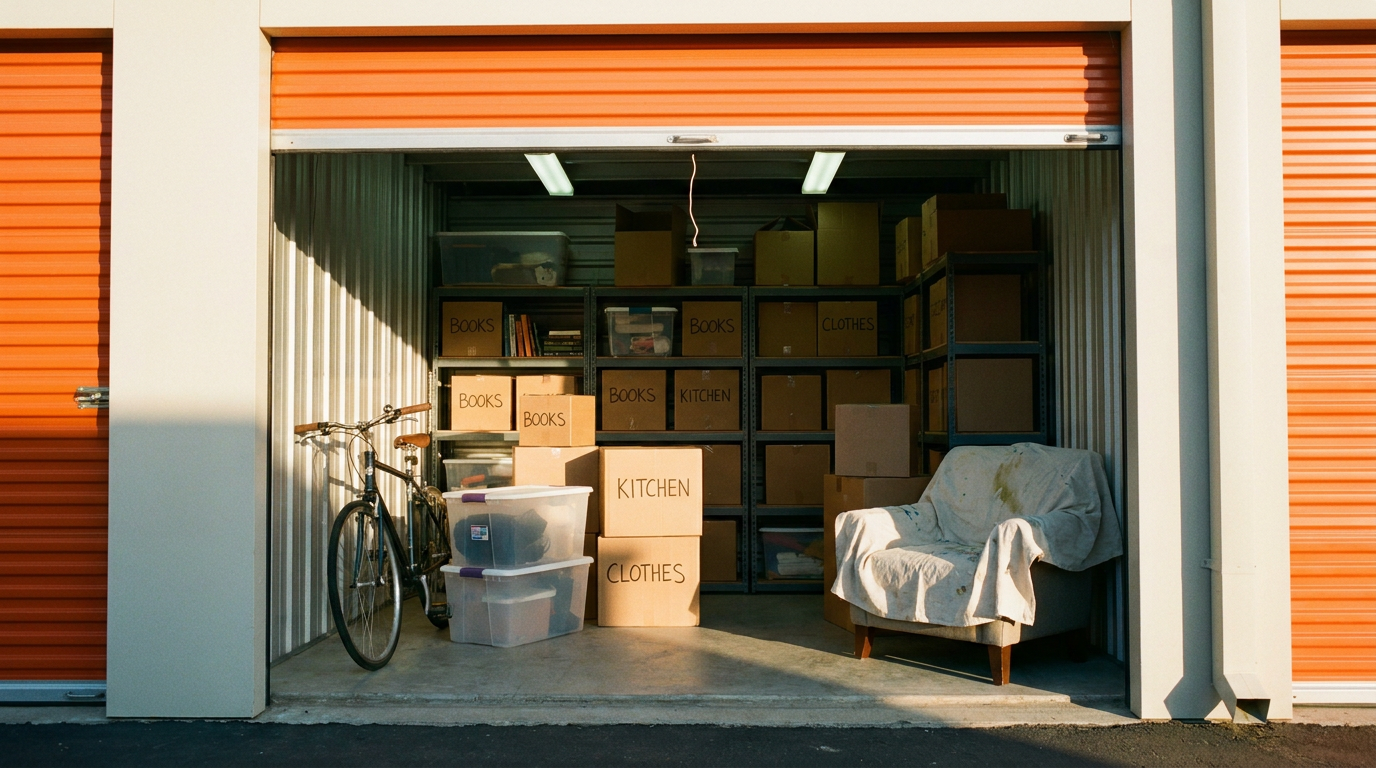
Strategic organization reduces retrieval time and prevents damage from digging through stacked containers. Place frequently accessed items near the front and seasonal clothes toward the back. Create a center aisle in larger units for walkthrough access.
Stack heavier bins on the bottom with lighter containers on top. Limit stacks to 3 to 4 bins high to prevent crushing and maintain stability. Use shelving units ($30 to $100) to maximize vertical space and keep items accessible.
Create an inventory list with bin numbers corresponding to labels. Store a copy in the unit and keep a digital backup. This system lets you locate specific items without opening multiple containers.
Cost Comparison: Home Storage vs. Storage Units
Home storage solutions like closet systems and under-bed organizers cost $50 to $500 upfront with no recurring fees. However, they consume living space and may not provide adequate protection in humid or temperature-variable homes.
Off-site storage units cost $40 to $200 monthly depending on size, location, and climate control. A 5x5 unit for clothing storage runs approximately $480 to $960 annually. This option makes sense for seasonal wardrobes, downsizing situations, or homes lacking adequate closet space.
For those storing vehicles alongside household items, combined facilities offer convenience. The Eagle Canopy FAQ page explains sizing options for customers needing both vehicle parking and storage access in the Vail Valley area.
|