Storage Units Near Me and Prices: 2026 Cost Guide by Size |
| STORAGE UNITS NEAR ME AND PRICES
⏱ 12 min read ·
📄 #2,297 words
Storage unit prices range from $30 to $460 per month based on size and features. Compare costs for 5x5 to 12x50 units, plus RV and vehicle storage options.
|
S torage unit prices in 2026 range from $30 per month for a small 5x5 unit to $460 or more for large covered RV and vehicle spaces. The average 10x10 unit costs between $70 and $150 monthly, while climate-controlled options add 20 to 30 percent to base rates. Your final cost depends on three factors: unit size, location, and whether you need special features like power hookups or weather protection.
| Key Points: | |
|---|---|
| • | Small 5x5 units start at $30 to $65 per month; 10x10 units average $70 to $150 monthly |
| • | Climate-controlled storage costs 20 to 30 percent more than standard units |
| • | RV and vehicle storage ranges from $150 for open parking to $460 for covered 12x50 spaces with power |
| • | Urban areas like Brooklyn charge up to 40 percent more than suburban locations |
| • | First-month-free promotions can reduce your effective annual cost by 8 percent |
How Much Do Storage Units Cost Per Month in 2026?
According to Move.org's 2026 pricing analysis, storage units range from approximately $70 to $300 per month, with the national average sitting around $180 monthly. However, these figures vary dramatically based on your specific needs and location.
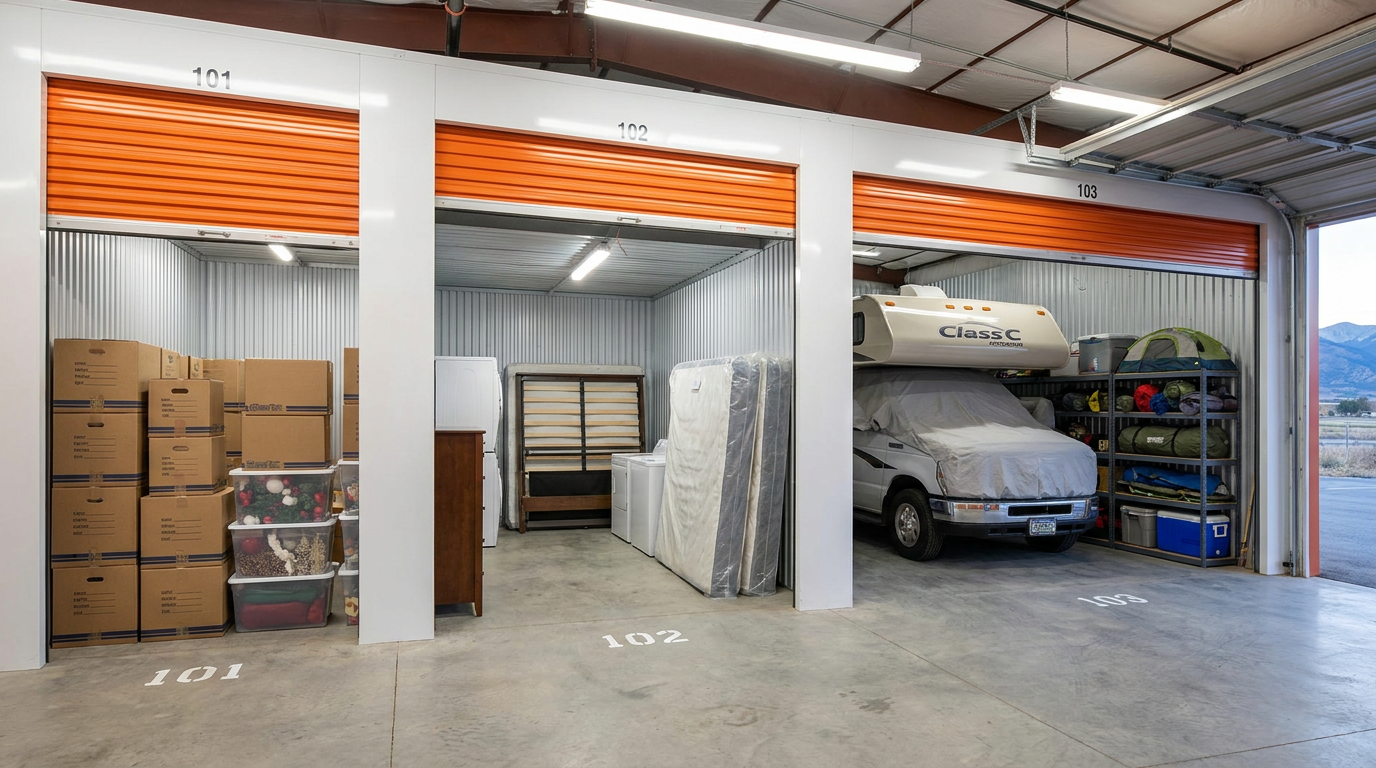
Small units under 50 square feet work well for storing seasonal items, documents, or small furniture pieces. Medium units between 50 and 100 square feet accommodate apartment contents or multiple rooms of furniture. Large units exceeding 100 square feet handle entire household moves, vehicles, or commercial inventory.
| Unit Size | Square Feet | Monthly Cost Range | Best For |
|---|---|---|---|
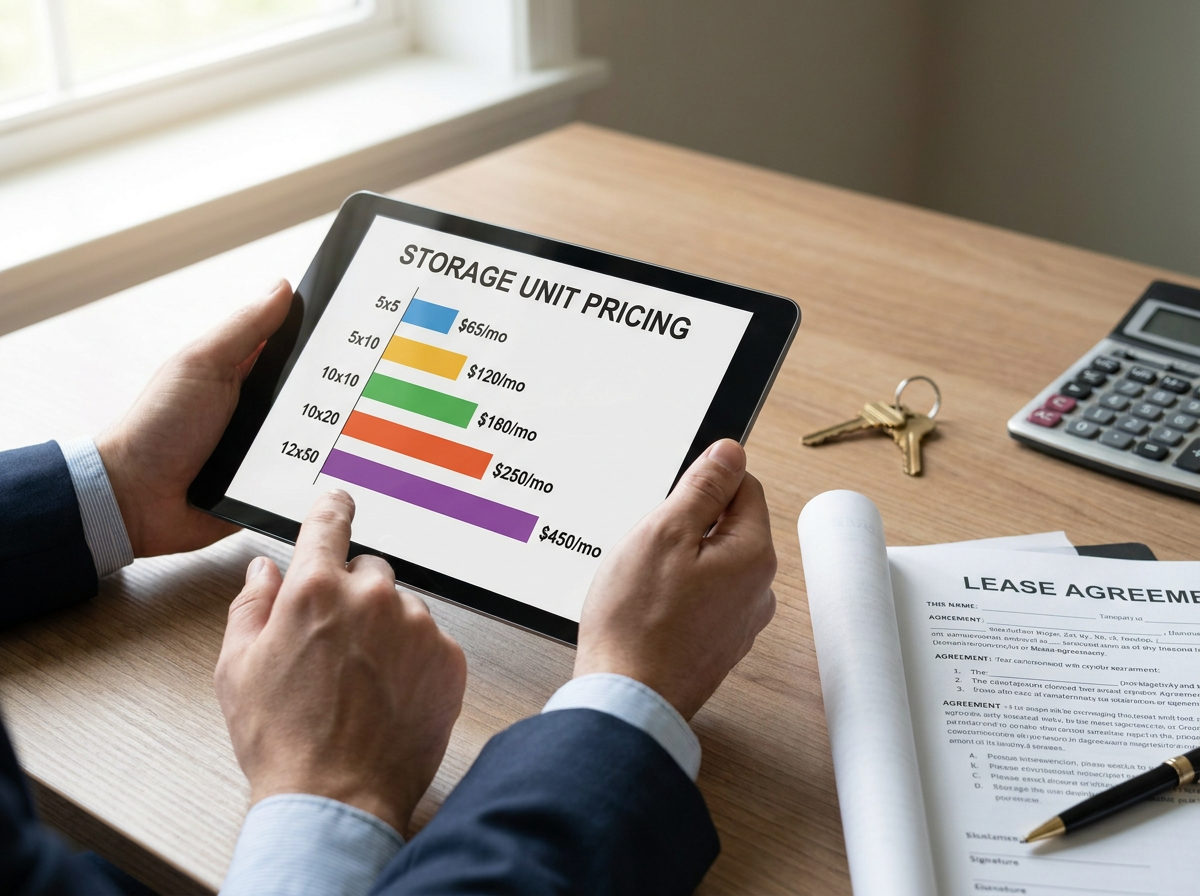
| 5x5 | 25 sq ft | $30 to $65 | Boxes, small furniture, seasonal items |
| 5x10 | 50 sq ft | $50 to $100 | Studio apartment, mattress, dresser |
| 10x10 | 100 sq ft | $70 to $150 | 1-2 bedroom apartment contents |
| 10x20 | 200 sq ft | $120 to $250 | 3-4 bedroom home, vehicle storage |
| 10x30 | 300 sq ft | $200 to $400 | Large home, multiple vehicles |
What Factors Affect Storage Unit Prices?
Five primary factors determine what you will pay for storage. Understanding these variables helps you find the best value for your specific situation and avoid overpaying for features you do not need.
Location and Market Demand
Geographic location creates the largest price variations in storage costs. Data from SpareFoot's marketplace analysis shows that a 10x10 unit in Brooklyn, New York averages $154 per month, while the same size in Fort Wayne, Indiana costs approximately $85 monthly. Dense urban areas with limited real estate consistently charge premium rates.
Suburban facilities typically offer 25 to 40 percent lower prices than downtown locations. Rural areas provide the lowest rates but may require longer drives for access. Consider facilities near major highways or airports that balance accessibility with competitive pricing.
Climate Control Requirements
Climate-controlled storage maintains temperatures between 55 and 80 degrees Fahrenheit year-round. This feature adds 20 to 30 percent to monthly costs but protects sensitive items from extreme temperature swings, humidity damage, and condensation.
Items requiring climate control include wooden furniture, electronics, photographs, vinyl records, wine collections, leather goods, and important documents. Standard units work fine for metal items, outdoor equipment, and items designed for variable conditions.
Unit Features and Amenities
Drive-up access, elevator service, 24-hour availability, and security features all influence pricing. Facilities with advanced security systems featuring surveillance cameras, individual unit alarms, and gated access typically charge 10 to 15 percent more than basic locations.
Electric hookups for vehicle storage add $20 to $50 monthly depending on amperage. A 20-amp outlet handles trickle charging for batteries, while 50-amp service supports larger RV systems and climate control equipment.
How Much Does a 10x20 Storage Unit Cost Per Month?
A 10x20 storage unit costs between $120 and $250 per month for standard indoor storage. This 200-square-foot space equals a one-car garage and holds contents from a 3 to 4 bedroom home or a mid-size vehicle.
The 10x20 size offers approximately 1,600 cubic feet of storage capacity when stacked efficiently. Most facilities allow stacking up to 8 feet high, though climate-controlled units may have lower ceilings. This configuration accommodates major appliances, multiple furniture sets, and dozens of moving boxes.
Can a Car Fit in a 10x20 Storage Unit?
Yes, a standard sedan or small SUV fits comfortably in a 10x20 storage unit with room to spare. The average car measures 15 to 17 feet long and 6 to 7 feet wide, leaving 3 to 5 feet of additional length and 3 feet of width for walking space or additional storage.
Enclosed vehicle storage in a 10x20 unit provides protection from weather, theft, and vandalism. However, you must ensure the facility permits vehicle storage and verify that door heights accommodate your specific vehicle. Standard roll-up doors measure 8 to 10 feet tall, sufficient for most passenger vehicles but potentially restrictive for lifted trucks or tall vans.
RV, Boat, and Vehicle Storage Prices
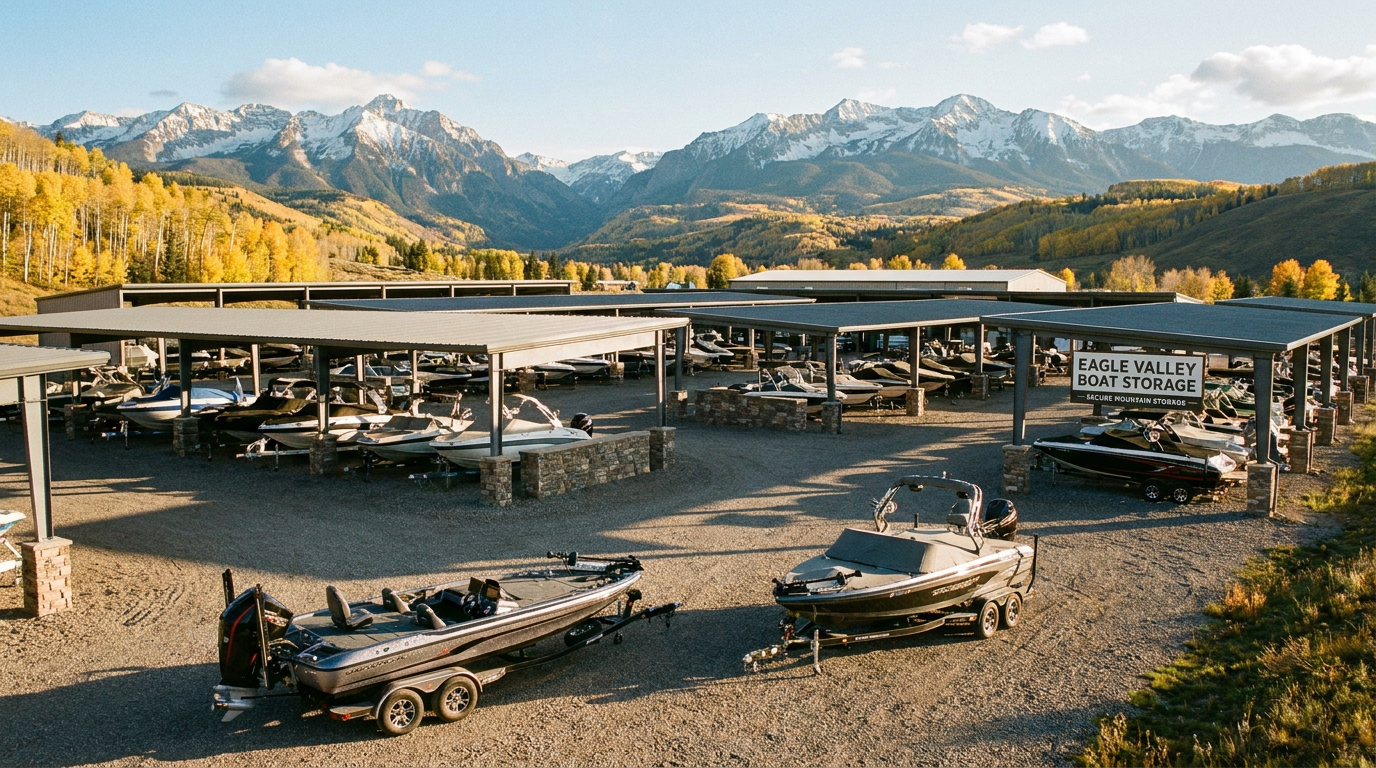
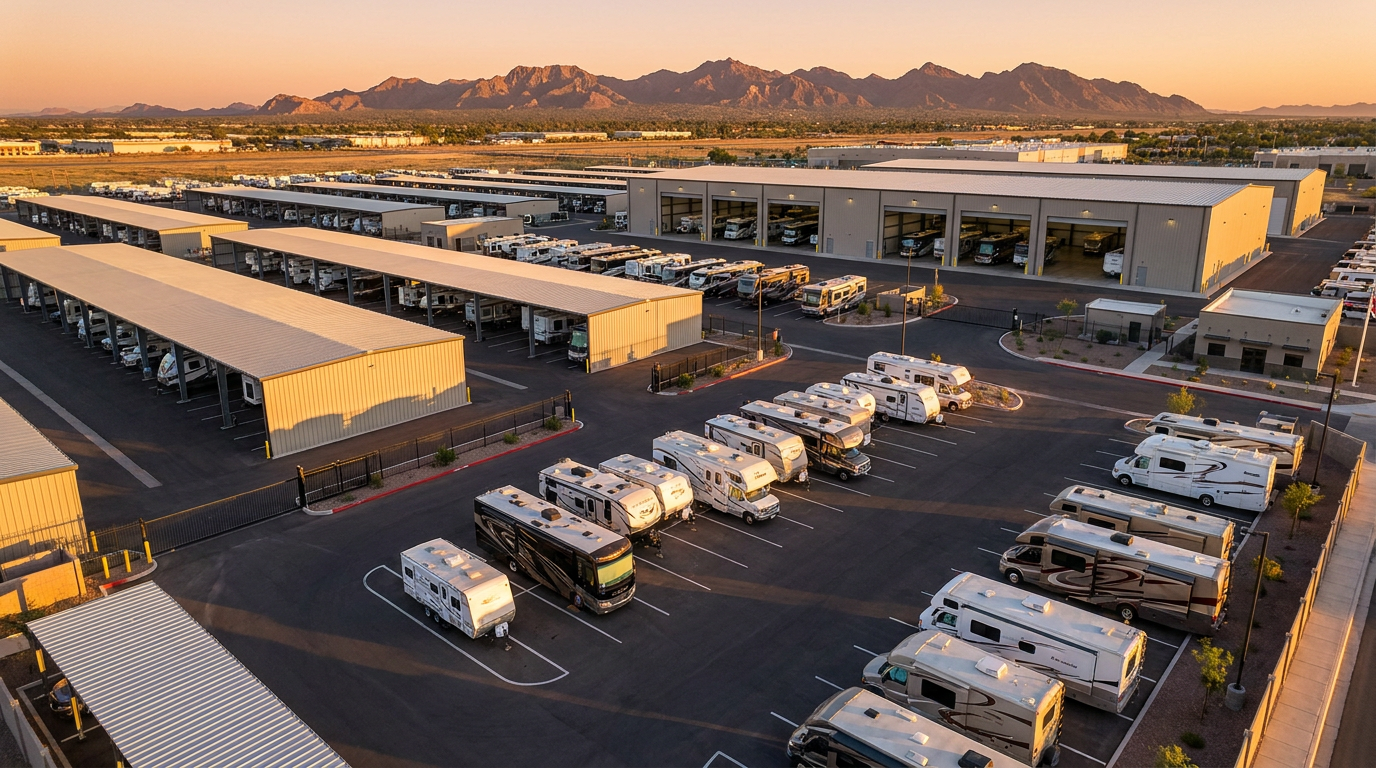
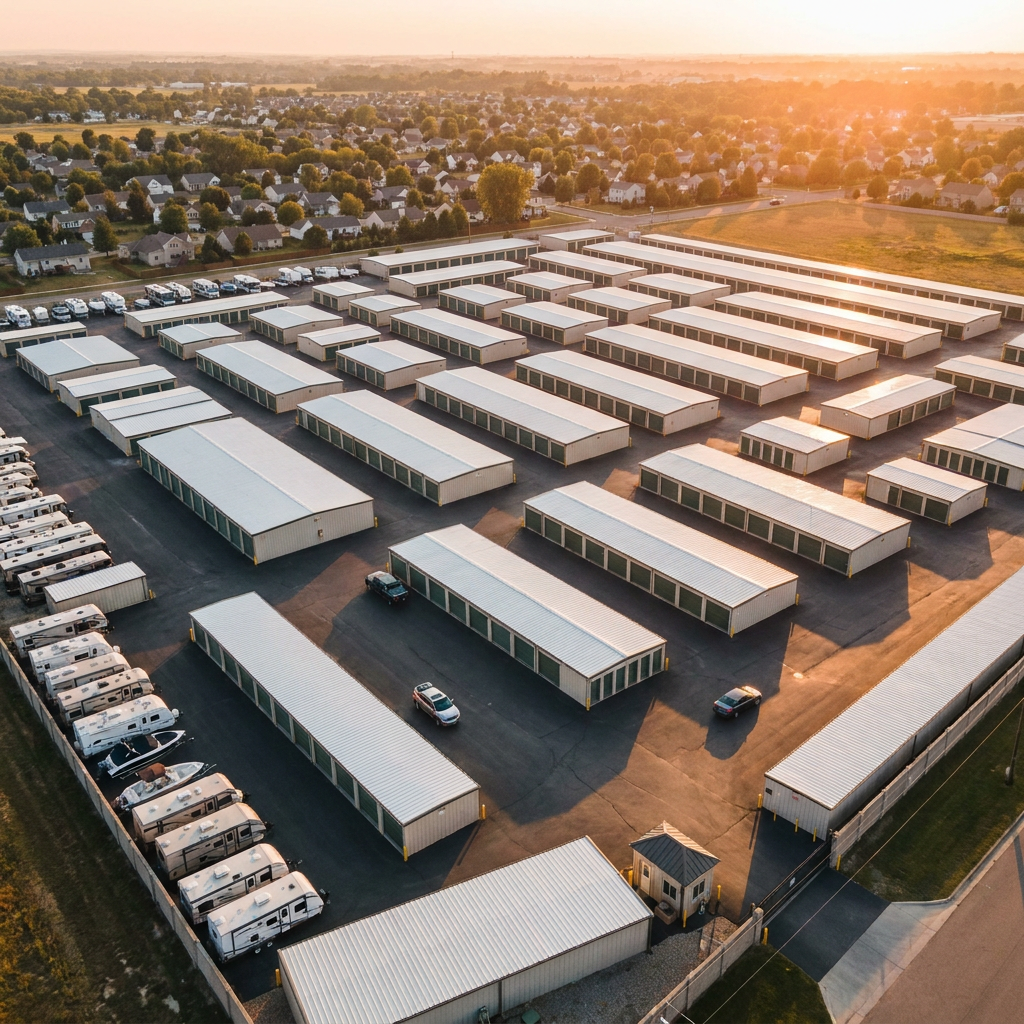
Vehicle storage operates differently from traditional self-storage units. Pricing depends on whether you choose open parking, covered parking, or fully enclosed storage. According to Public Storage's comprehensive guide, vehicle storage starts around $45 monthly for basic outdoor parking and exceeds $400 for premium covered spaces.
| Storage Type | Monthly Cost | Protection Level | Best For |
|---|---|---|---|
| Open Parking | $45 to $150 | Security only | Trailers, boats with covers |
| Covered Parking | $150 to $460 | Weather protection | RVs, boats, classic cars |
| Enclosed Storage | $200 to $600 | Full protection | High-value vehicles, long-term storage |
Covered RV Storage Pricing by Size
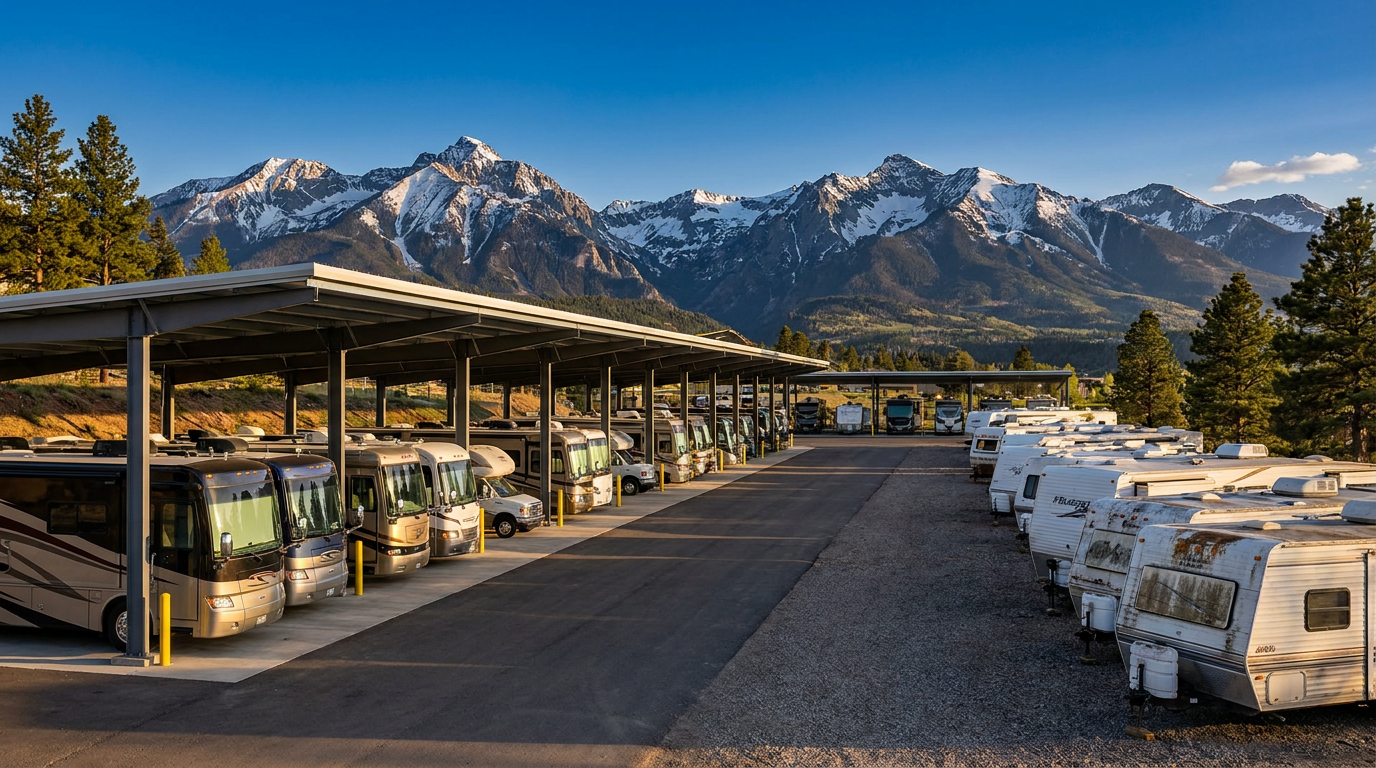
RV storage costs scale with vehicle length. A 25-foot travel trailer requires less space than a 45-foot Class A motorhome. Facilities offering covered storage with electric hookups provide the best protection for long-term storage in harsh climates.
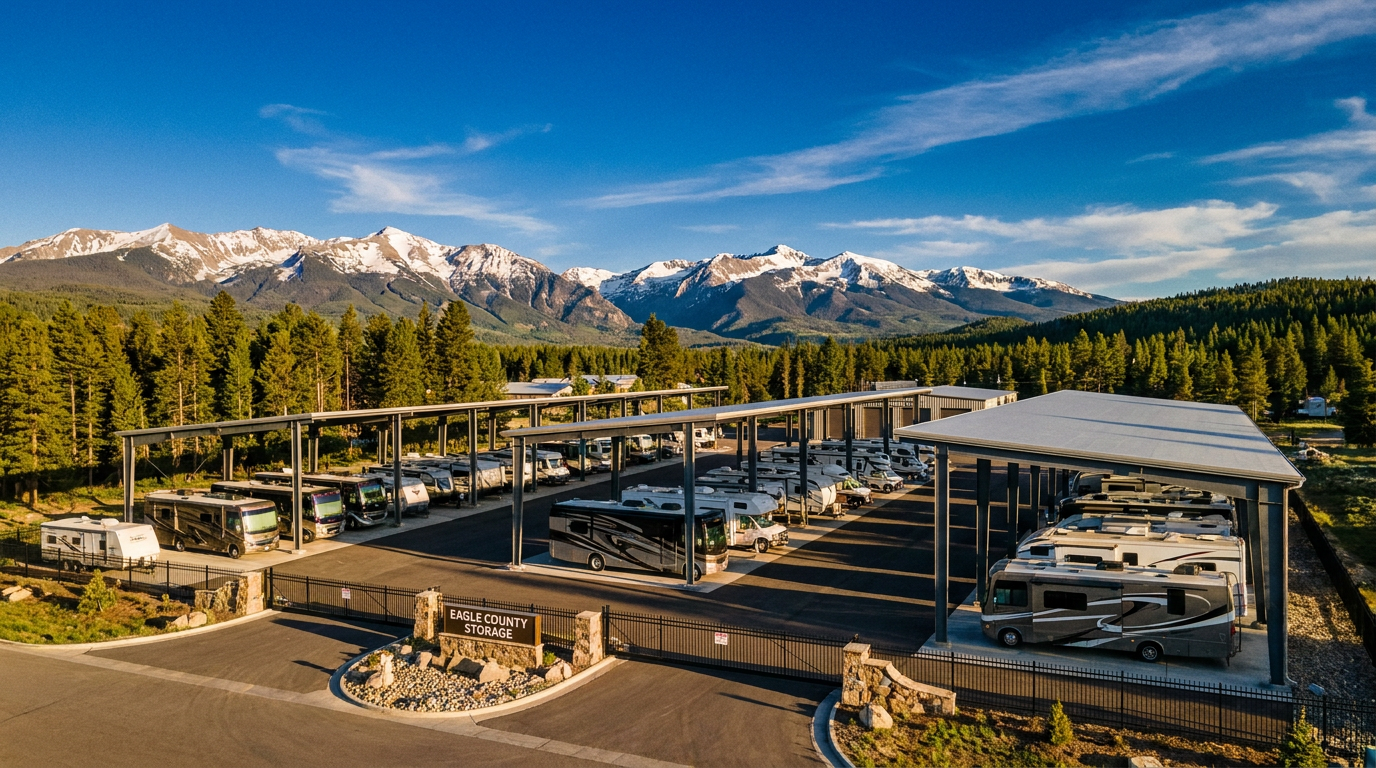
At covered RV storage facilities in Colorado, pricing reflects both space requirements and included amenities. A 12x25 covered space with 20-amp power runs approximately $270 monthly, while a 12x50 space for larger motorhomes costs around $460 per month. These rates include overhead protection from snow, hail, and UV radiation plus electrical hookups for battery maintenance.
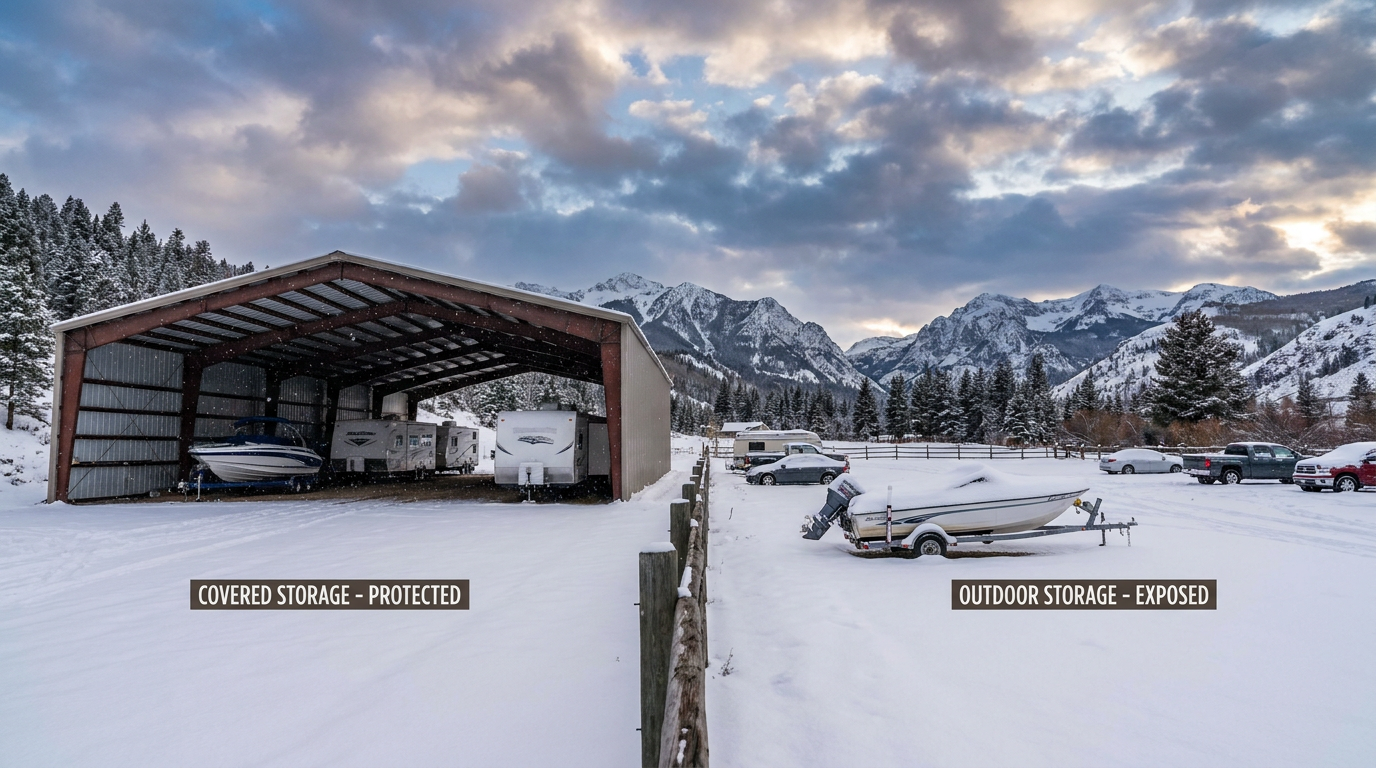
Open parking without coverage starts lower, around $150 monthly for a 10x20 space. However, vehicles stored without protection in mountain climates face accelerated wear from UV exposure at high elevations, snow loads exceeding 90 pounds per square foot, and hail damage during summer storms.
Where Is the Cheapest Place to Get a Storage Unit?
The cheapest storage units exist in suburban areas with high facility density and low real estate costs. Markets like Fort Wayne, Indiana; Harrisburg, Pennsylvania; and Henderson, Nevada consistently offer rates 30 to 50 percent below major metropolitan areas.
To find the lowest prices in any market, compare at least five facilities within a 10-mile radius. Use aggregator sites like SpareFoot, SelfStorage.com, and Storage.com to see current availability and promotional pricing. Many facilities offer first-month-free deals or 50 percent off the first month, effectively reducing your annual cost by 4 to 8 percent.
Cheapest Storage Alternatives
Several alternatives cost less than traditional storage units for specific situations. Portable storage containers from companies like PODS or U-Haul U-Box range from $100 to $200 monthly including delivery. These work well for temporary storage during moves or renovations.
Peer-to-peer storage platforms connect renters with homeowners offering garage, basement, or shed space. Rates typically run 20 to 40 percent below commercial facilities, though security and accessibility vary significantly. Neighbor.com and Stow It operate the largest networks in this category.
For vehicle storage specifically, some facilities offer significant discounts for annual prepayment. Paying 12 months upfront often reduces the effective monthly rate by 10 to 15 percent compared to month-to-month pricing.
How to Choose the Right Storage Unit Size
Selecting the correct size prevents paying for unused space while ensuring your belongings fit comfortably. The Self Storage Association recommends adding 10 to 20 percent buffer space beyond your calculated needs for accessibility and airflow.
Storage Size Calculator Guidelines
A 5x5 unit holds approximately 1 to 2 rooms of boxes and small furniture. Think of it as a large closet suitable for seasonal decorations, sporting equipment, or business files. This size typically costs $30 to $65 monthly.
A 5x10 unit accommodates a studio apartment or one bedroom of furniture plus boxes. The 50-square-foot space fits a mattress set, dresser, small sofa, and 10 to 15 moving boxes. Expect to pay $50 to $100 monthly.
A 10x10 unit stores contents from a 1 to 2 bedroom apartment. This 100-square-foot space handles a living room set, bedroom furniture, appliances, and 20 to 30 boxes. Pricing ranges from $70 to $150 monthly depending on location and features.
For those wondering about specific sizing questions, the frequently asked questions page at most storage facilities provides detailed guidance on matching your inventory to available unit dimensions.
U-Haul Storage Costs and Options
U-Haul operates over 2,000 storage locations across North America, making it one of the most accessible options for renters. U-Haul storage costs per month range from $30 for small units to $300 for large climate-controlled spaces, with significant variation by location.
U-Haul storage sizes follow standard industry dimensions. Their smallest 5x5 units start around $40 monthly in most markets. The popular 10x10 size averages $90 to $130 monthly. Large 10x20 and 10x30 units range from $150 to $300 depending on climate control and access features.
One advantage of U-Haul storage involves integration with their truck rental services. Customers renting moving trucks receive discounted storage rates and simplified logistics for loading and unloading. U-Haul also offers 30 days of free storage with qualifying truck rentals in many markets.
U-Haul Storage Payment and Access
U-Haul storage payment options include monthly autopay, in-person payments, and online account management. Most locations offer 24-hour access through electronic gate codes, though some facilities restrict hours based on local regulations.
U-Haul's mobile app allows renters to manage their storage account, make payments, and access their unit using smartphone-based entry at participating locations. This technology eliminates the need for physical keys or access cards at facilities with smart lock systems.
Storage Unit Security Features Worth Paying For
Security represents a critical consideration when comparing storage facilities. According to industry data, facilities with comprehensive security systems experience 60 to 80 percent fewer break-ins than those with minimal protection.
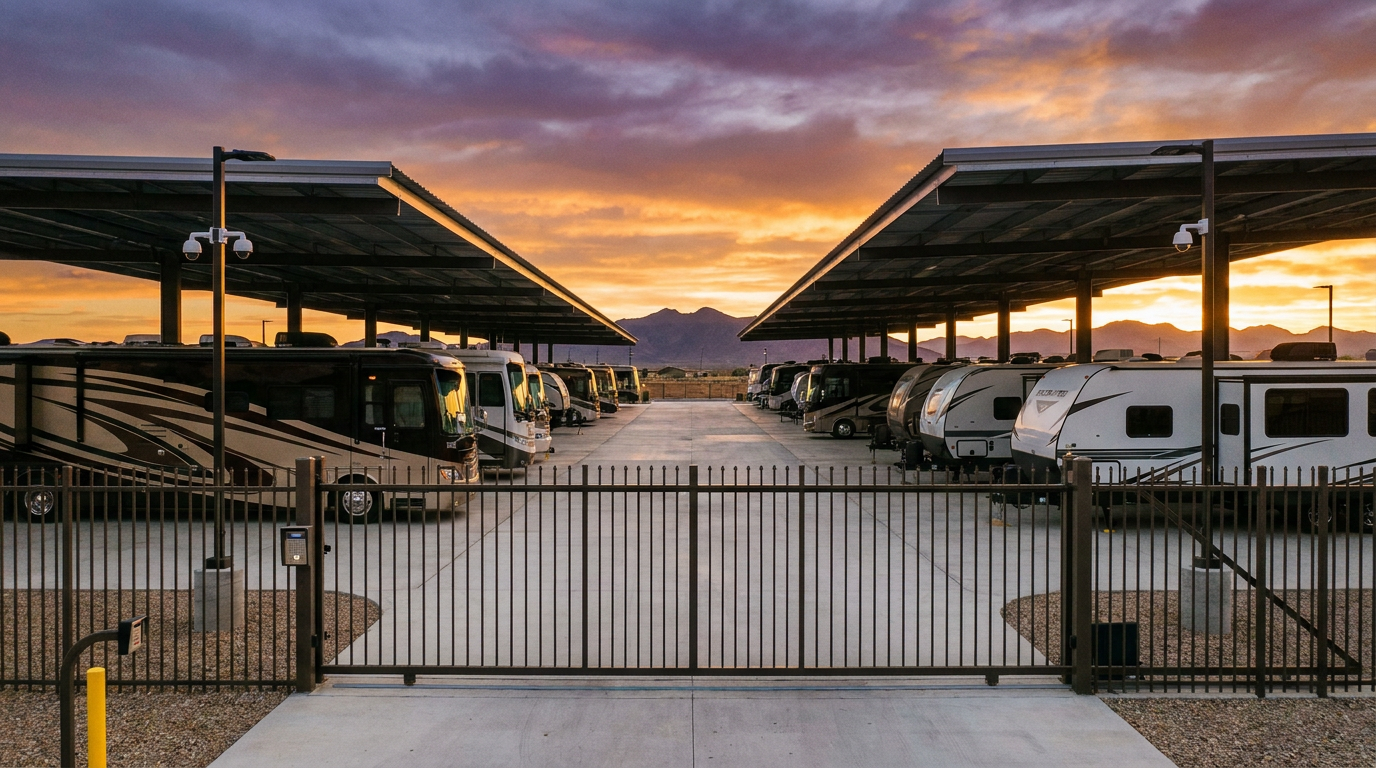
Essential security features include perimeter fencing with controlled gate access, surveillance cameras covering all areas, adequate lighting throughout the property, and individual unit alarms. Premium facilities add features like on-site management, biometric access controls, and 24-hour monitoring services.
The locally owned and operated facilities often provide more personalized security attention than large national chains. Features like individualized entry codes, high-definition security cameras, and fully fenced perimeters with barbed wire offer peace of mind for storing valuable vehicles and equipment.
Insurance and Protection Plans
Most storage facilities require proof of insurance or purchase of their tenant protection plan. Standard homeowner's or renter's insurance policies may cover stored items, but coverage limits and deductibles vary significantly.
Facility-offered protection plans typically cost $10 to $30 monthly and cover theft, fire, water damage, and certain weather events. These plans often provide faster claims processing than filing through personal insurance. Review the tenant protection plan details carefully to understand coverage limits and exclusions before signing a lease.
Frequently Asked Questions About Storage Unit Prices
What is a cheaper alternative to a storage unit?
Portable storage containers cost $100 to $200 monthly and eliminate transportation hassles. Peer-to-peer platforms like Neighbor.com offer residential spaces at 20 to 40 percent below commercial rates. For temporary needs, renting a small trailer and parking it on your property costs less than monthly storage fees.
How much will a 20x20 storage unit hold?
A 20x20 storage unit provides 400 square feet, equivalent to a two-car garage. This space accommodates contents from a 4 to 5 bedroom home, including major appliances, multiple furniture sets, and 50 or more moving boxes. With efficient stacking, you can store approximately 3,200 cubic feet of belongings.
How much does a 10x10 storage unit cost per month?
A 10x10 storage unit costs between $70 and $150 per month for standard indoor storage. Climate-controlled 10x10 units range from $90 to $200 monthly. Urban markets like New York and San Francisco charge $150 to $250, while suburban and rural areas offer rates as low as $50 to $80.
What is the difference between indoor, covered, and outdoor storage?
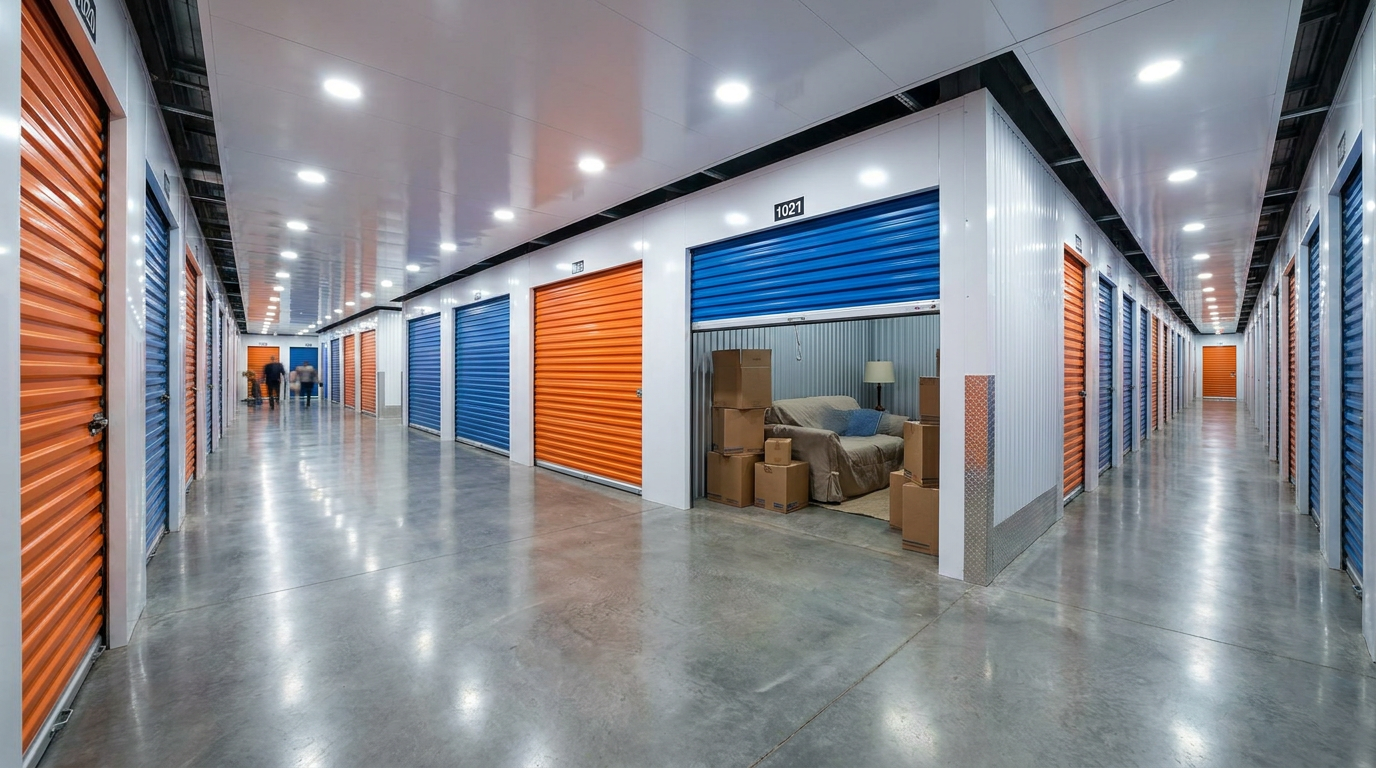
Indoor storage places your belongings inside a climate-controlled building with hallway access. Covered storage provides overhead protection from weather but leaves sides exposed. Outdoor storage offers a fenced, secured space without weather protection. Each option serves different needs and price points.
Do storage facilities offer move-in specials?
Yes, most storage facilities offer promotional pricing to attract new customers. Common deals include first month free, first month at 50 percent off, or discounted rates for the first three months. These promotions reduce effective annual costs by 4 to 15 percent depending on the specific offer.
Finding the Best Storage Value for Your Needs
The right storage solution balances price, location, and features for your specific situation. Start by accurately estimating your space requirements, then compare at least five facilities within your target area. Factor in promotional pricing, security features, and access hours before making a final decision.
For RV, boat, and vehicle owners in Colorado's mountain region, specialized facilities offer protection from extreme weather conditions that standard storage cannot match. Heavy snow loads, intense UV radiation at elevation, and frequent hail storms require covered storage with proper drainage and structural engineering.
Whether you need a small unit for seasonal items or a large covered space for your motorhome, understanding the full range of pricing and features helps you make an informed choice that protects your belongings without overpaying for unnecessary amenities.
|