Indoor Climate Controlled Storage Near Me: Complete Guide |
| INDOOR CLIMATE CONTROLLED STORAGE NEAR ME
⏱ 12 min read ·
📄 #2,400 words
Find indoor climate controlled storage near you. Compare costs, features, and what items need temperature-regulated units to stay protected.
|
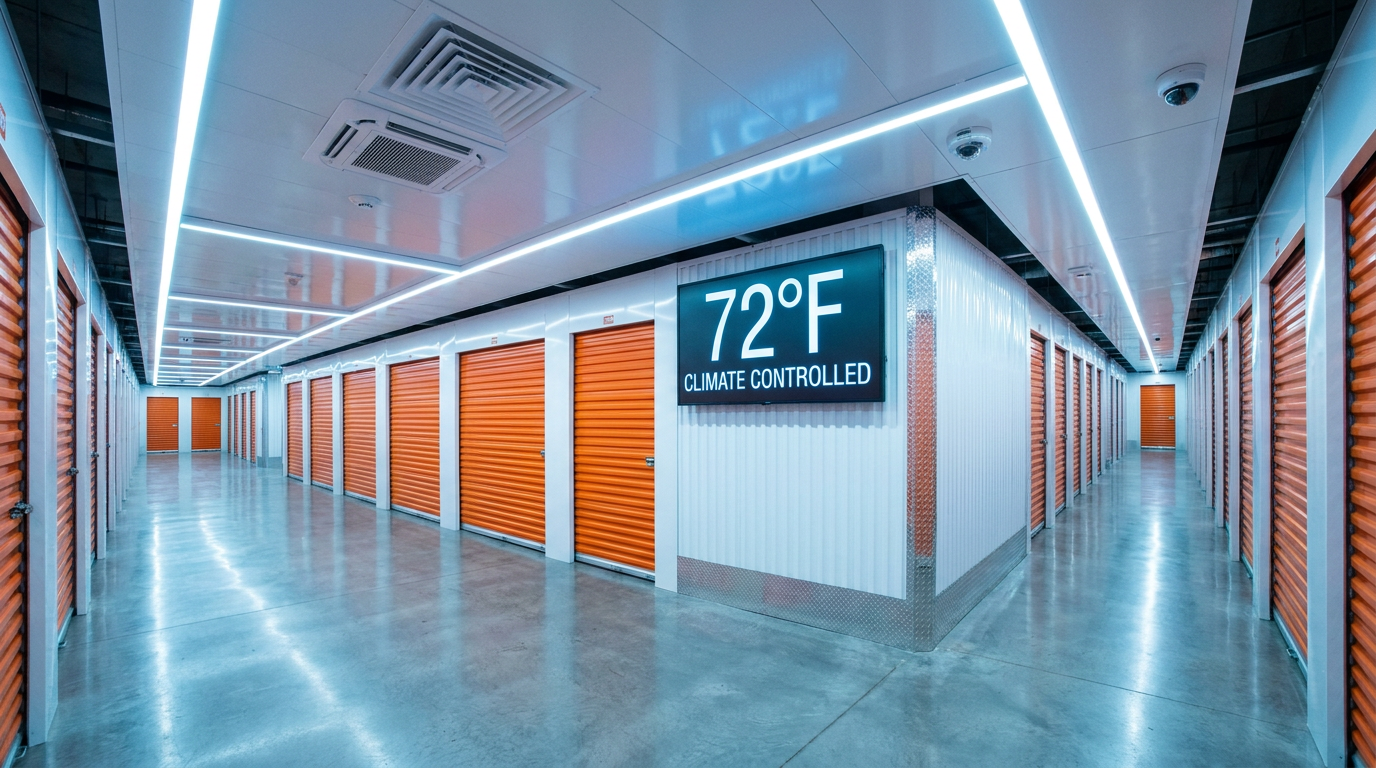
I ndoor climate controlled storage units maintain temperatures between 55 and 80 degrees Fahrenheit year-round, protecting sensitive items from heat damage, humidity, and temperature swings. These units typically cost $50 to $300 per month depending on size, with 5x10 spaces averaging $75 to $150 monthly in most U.S. markets.
| Key Points: | |
|---|---|
| • | Climate controlled units maintain 55 to 80 degrees Fahrenheit with 30 to 50 percent humidity levels |
| • | Monthly costs range from $50 to $300 depending on unit size (5x5 to 10x30) |
| • | Electronics, wood furniture, documents, and artwork require climate control for storage beyond 30 days |
| • | Major providers include Public Storage, Extra Space Storage, CubeSmart, and StorageMart with 24 hour access options |
| • | Indoor units cost 20 to 50 percent more than standard drive-up storage but prevent costly damage |
What Is Indoor Climate Controlled Storage?
Indoor climate controlled storage refers to units located inside a building with HVAC systems that regulate temperature and humidity. According to the Self Storage Association, approximately 10 percent of U.S. households rent storage units, with climate controlled options representing the fastest growing segment since 2020.
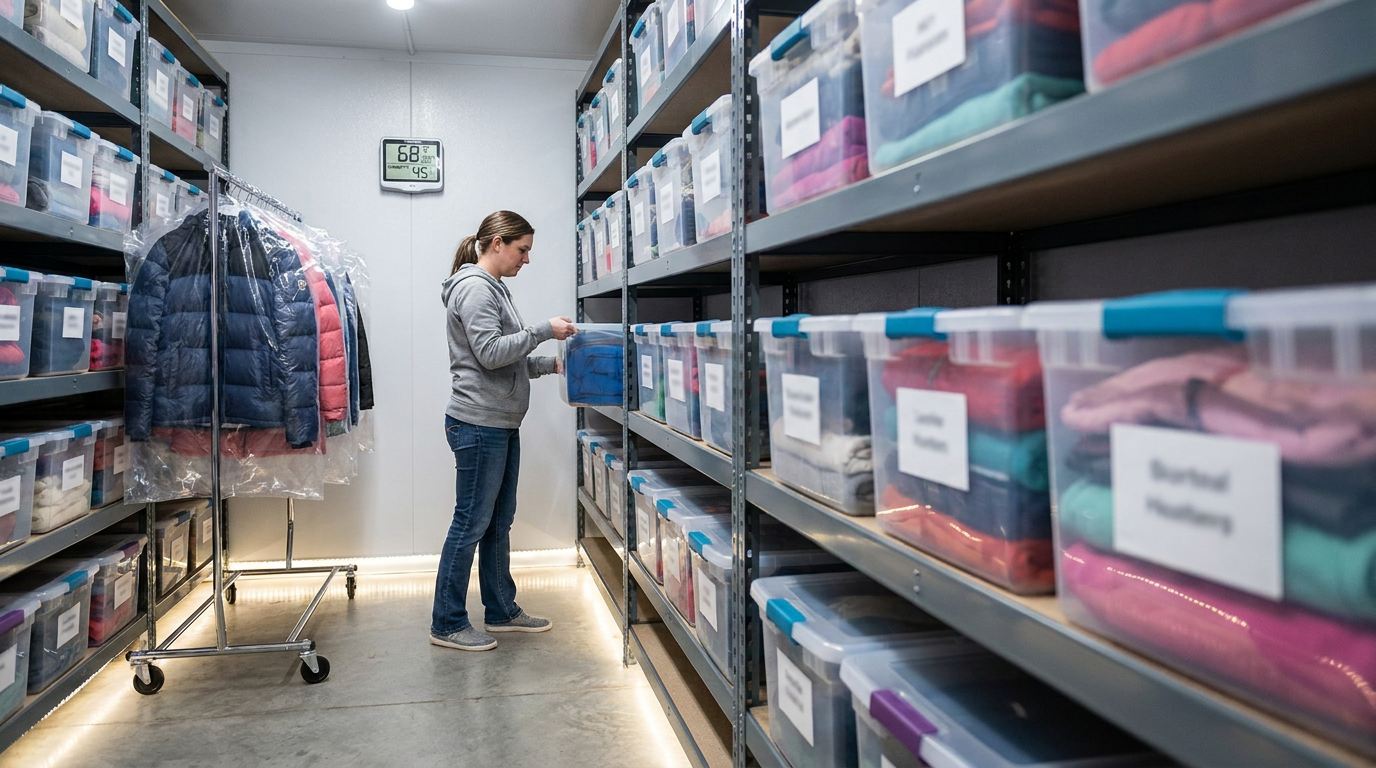
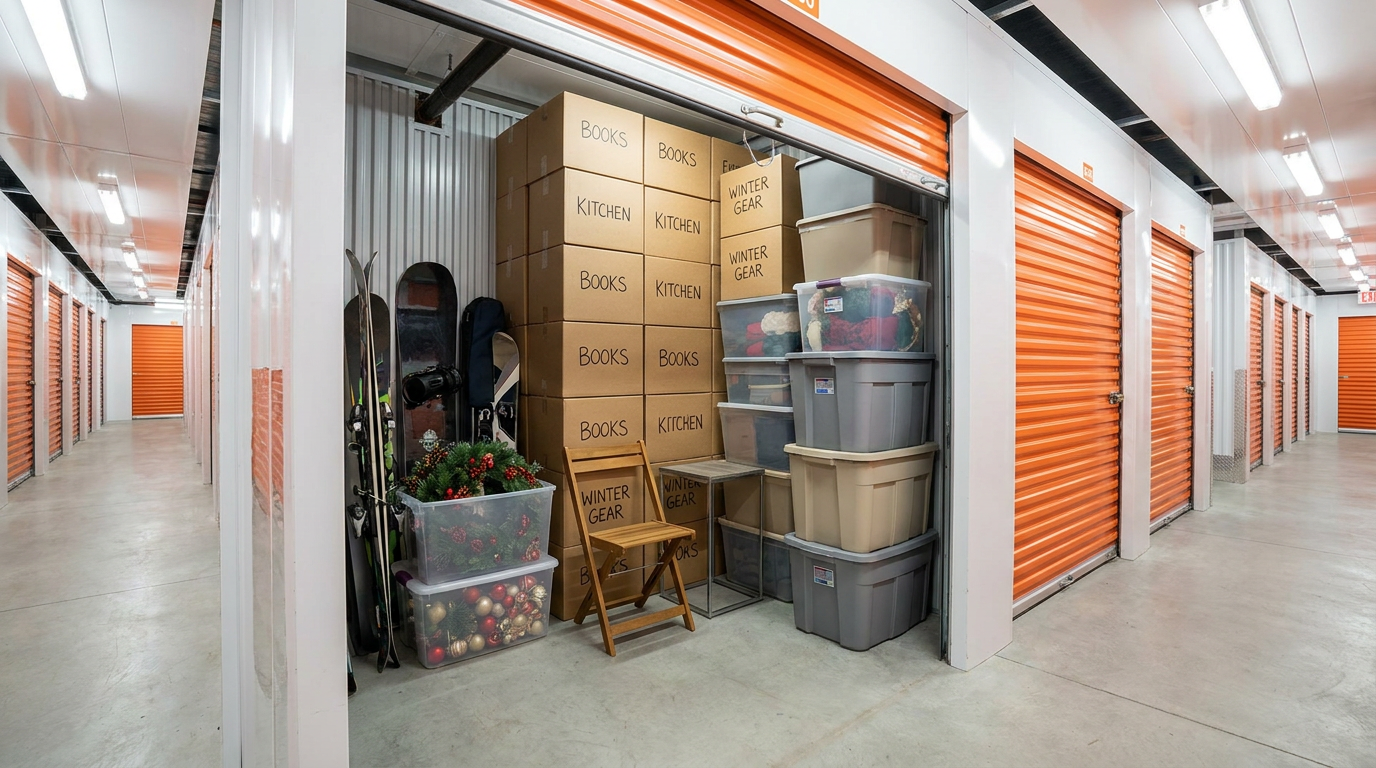
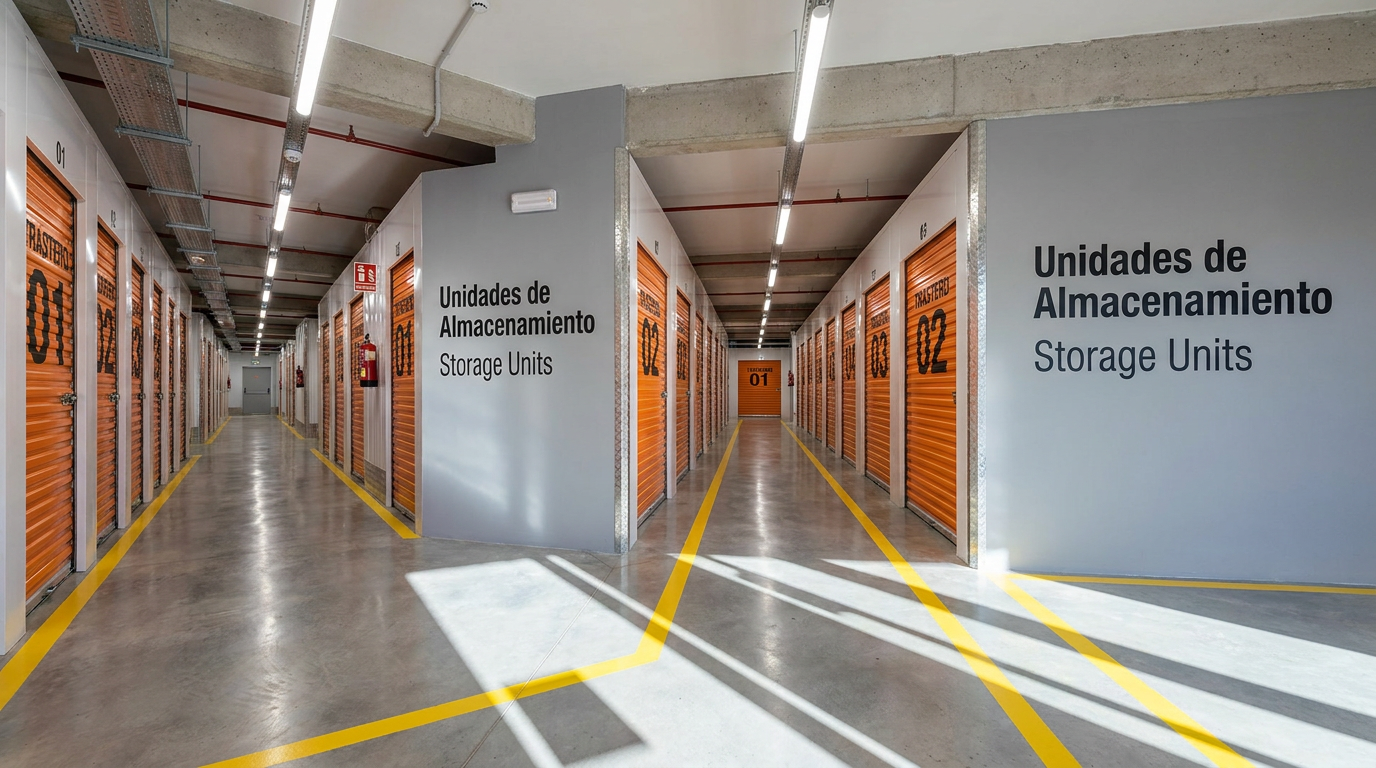
Standard indoor storage simply means your unit is inside a building with hallway access. Climate controlled storage adds active temperature regulation, typically maintaining 55 to 80 degrees Fahrenheit regardless of outdoor conditions. Some facilities also control humidity, keeping levels between 30 and 50 percent.
The distinction matters for your belongings. A 2023 study by the Institute of Inspection, Cleaning and Restoration Certification found that items stored in non-climate controlled units in regions with temperature swings exceeding 40 degrees experienced 3.2 times more damage than climate controlled alternatives.
Climate Controlled Storage Unit Cost Comparison
Climate controlled storage costs vary significantly based on unit size, location, and facility amenities. Data from Extra Space Storage and Public Storage shows consistent pricing patterns across major U.S. markets as of 2026.
| Unit Size | Standard Storage | Climate Controlled | Best For |
|---|---|---|---|
| 5x5 (25 sq ft) | $30 to $60/month | $50 to $90/month | Small boxes, documents |
| 5x10 (50 sq ft) | $50 to $100/month | $75 to $150/month | Small furniture, seasonal items |
| 10x10 (100 sq ft) | $80 to $150/month | $120 to $200/month | 1 to 2 bedroom apartment |
| 10x20 (200 sq ft) | $120 to $200/month | $180 to $280/month | 3 to 4 bedroom home |
| 10x30 (300 sq ft) | $150 to $250/month | $220 to $350/month | Large home, vehicles |
How much does a 10x10 storage unit cost per month? According to SpareFoot marketplace data, the national average for a 10x10 climate controlled unit is $164 per month, though prices in cities like San Francisco and New York exceed $250 monthly.
Items That Require Climate Controlled Storage
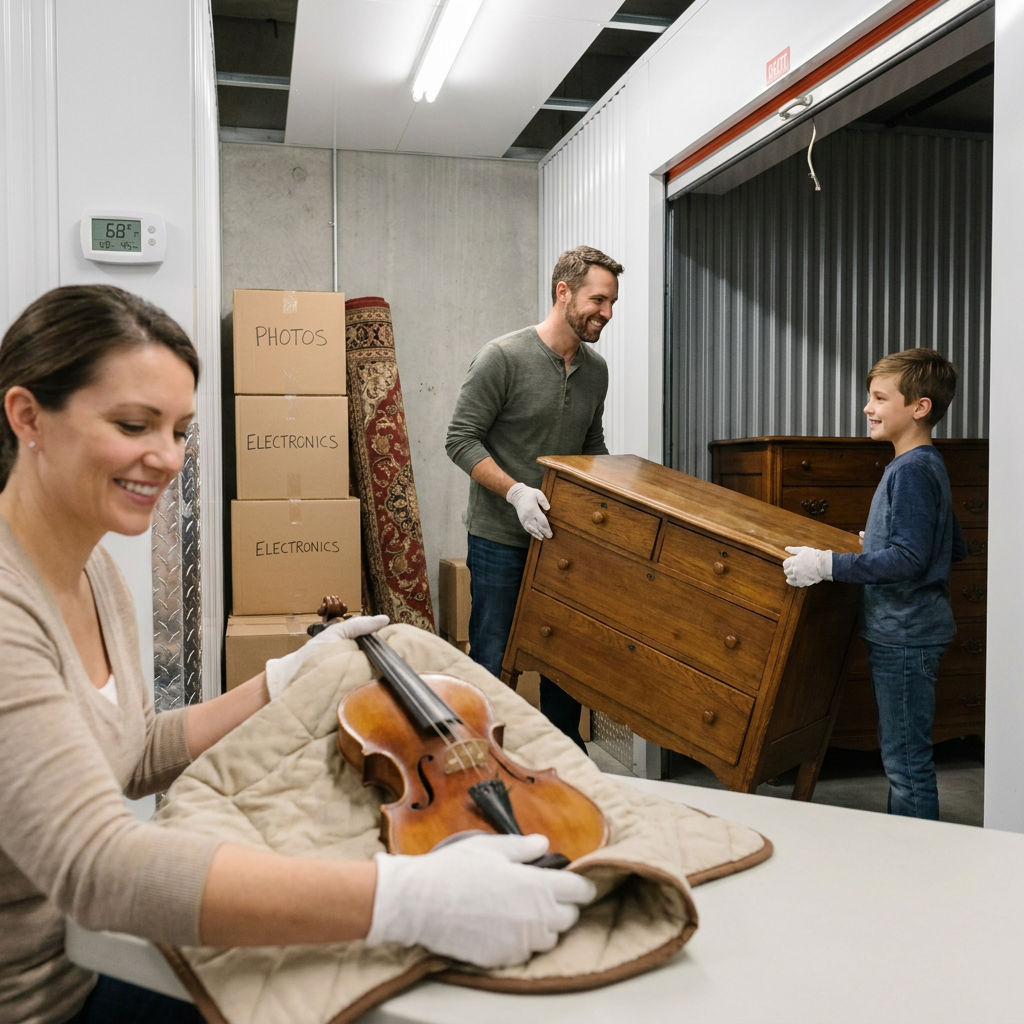
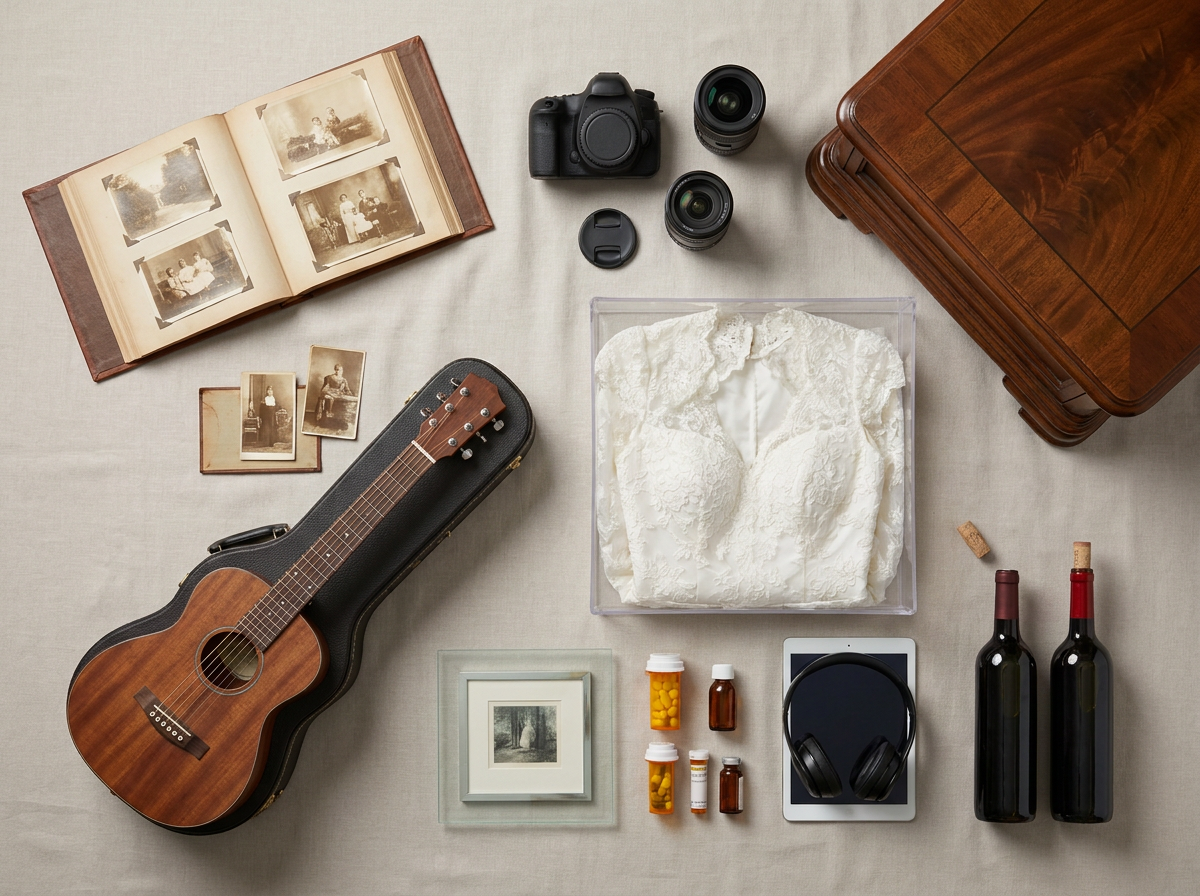
Not everything needs climate control, but certain items suffer irreversible damage without it. The American Institute for Conservation recommends climate controlled storage for any item sensitive to temperatures above 75 degrees or below 50 degrees Fahrenheit.
Electronics and Appliances
Computers, televisions, gaming consoles, and appliances contain circuit boards that corrode in high humidity. Apple, Dell, and Samsung all specify storage temperatures between 50 and 95 degrees Fahrenheit for their products. Humidity above 80 percent can cause condensation that permanently damages internal components within 48 to 72 hours.
Wood Furniture and Musical Instruments
Wood expands and contracts with temperature changes, causing warping, cracking, and joint separation. Steinway and Yamaha recommend storing pianos at 68 to 72 degrees with 42 to 45 percent relative humidity. Antique furniture from periods like Victorian or Colonial eras requires similar conditions to prevent veneer separation and finish damage.
Documents, Photos, and Artwork
Paper products absorb moisture, leading to mold growth, yellowing, and ink bleeding. The Library of Congress stores documents at 65 to 70 degrees with 30 to 40 percent humidity. Oil paintings require 70 degrees with 50 percent humidity according to the Smithsonian Institution guidelines.
Wine and Collectibles
Wine requires consistent temperatures between 55 and 58 degrees Fahrenheit. Temperature fluctuations cause corks to expand and contract, allowing oxygen to spoil the wine. Collectibles like vinyl records, comic books, stamps, and coins all require stable, moderate conditions to maintain value.
How to Find the Best Climate Controlled Storage Units Near You
Finding quality climate controlled storage within 5 miles of your location requires comparing multiple facilities across several factors. A 2024 J.D. Power Self-Storage Satisfaction Study found that facility cleanliness, staff helpfulness, and reservation process ranked as top decision factors.
Step 1: Search Major Provider Websites
Start with national chains that offer consistent quality standards. Public Storage operates over 2,800 locations across 40 states. Extra Space Storage manages more than 2,000 facilities. CubeSmart, Life Storage, and U-Haul each operate 1,000 plus locations with online booking and virtual tours.
Step 2: Use Aggregator Platforms
SpareFoot, Neighbor.com, and StorageCafe compare prices across multiple facilities in your area. These platforms often feature exclusive discounts of 20 to 50 percent off the first month. Neighbor.com also lists private storage options in residential garages and warehouses at 30 to 50 percent below commercial rates.
Step 3: Verify Climate Control Features
Ask specifically whether the facility offers true climate control or simply heated storage. True climate control maintains both temperature and humidity. Some facilities advertise climate controlled but only provide heating during winter months. Request the specific temperature range maintained year-round.
Step 4: Check Access Hours
24 hour climate controlled storage units near you provide flexibility for early morning or late night access. Not all facilities offer round the clock entry. Some restrict access to 6 AM to 10 PM. Confirm access hours match your schedule before signing a lease.
Climate Controlled vs Standard Storage: When Each Makes Sense
Climate control is not necessary for every storage situation. Understanding when to pay the 20 to 50 percent premium helps you make cost-effective decisions based on what you are storing and for how long.
| Factor | Choose Climate Controlled | Standard Storage Works |
|---|---|---|
| Storage Duration | More than 30 days | Less than 30 days |
| Local Climate | Temps exceed 90F or drop below 32F | Mild, consistent temperatures |
| Item Value | Items worth more than $500 | Replaceable items under $500 |
| Item Sensitivity | Electronics, wood, paper, leather | Metal tools, plastic bins, outdoor gear |
| Humidity Concerns | Humidity exceeds 60 percent regularly | Dry climate, low humidity |
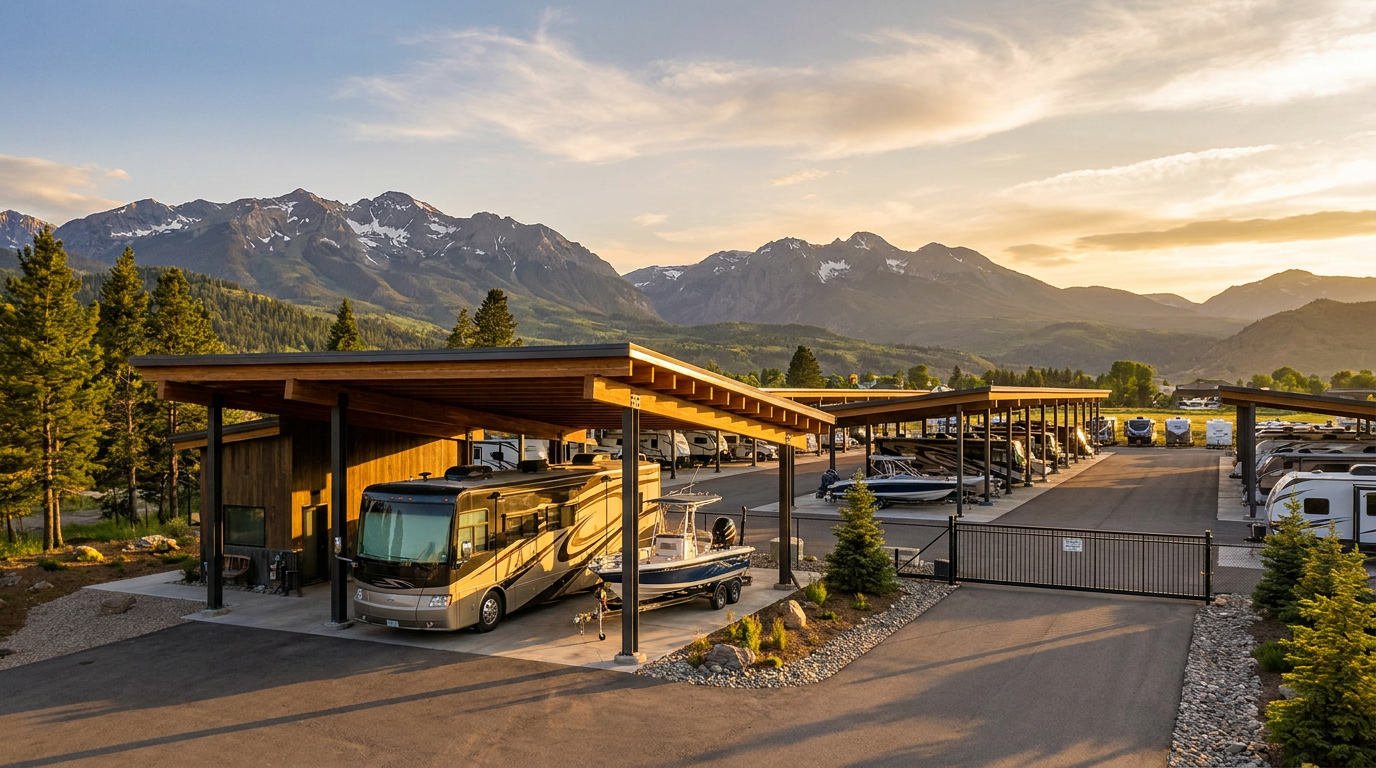
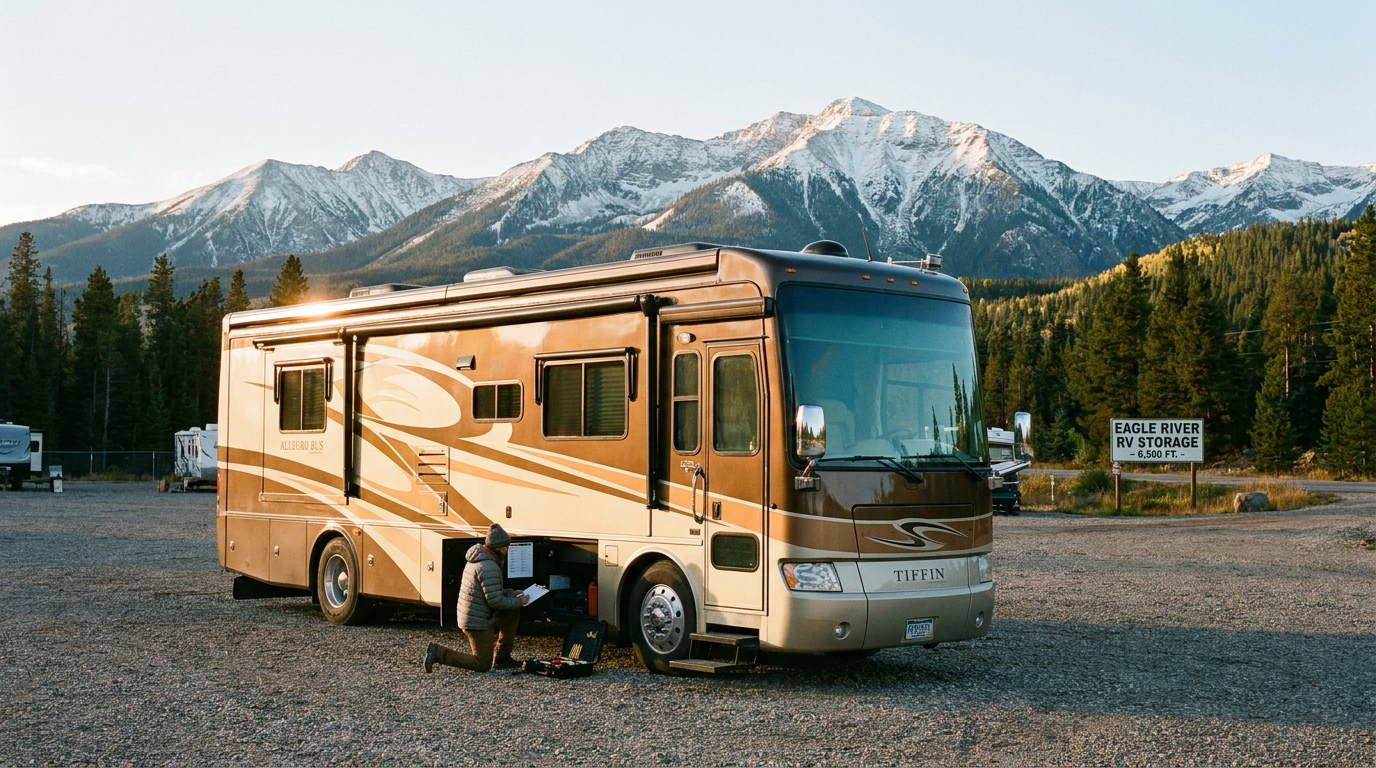
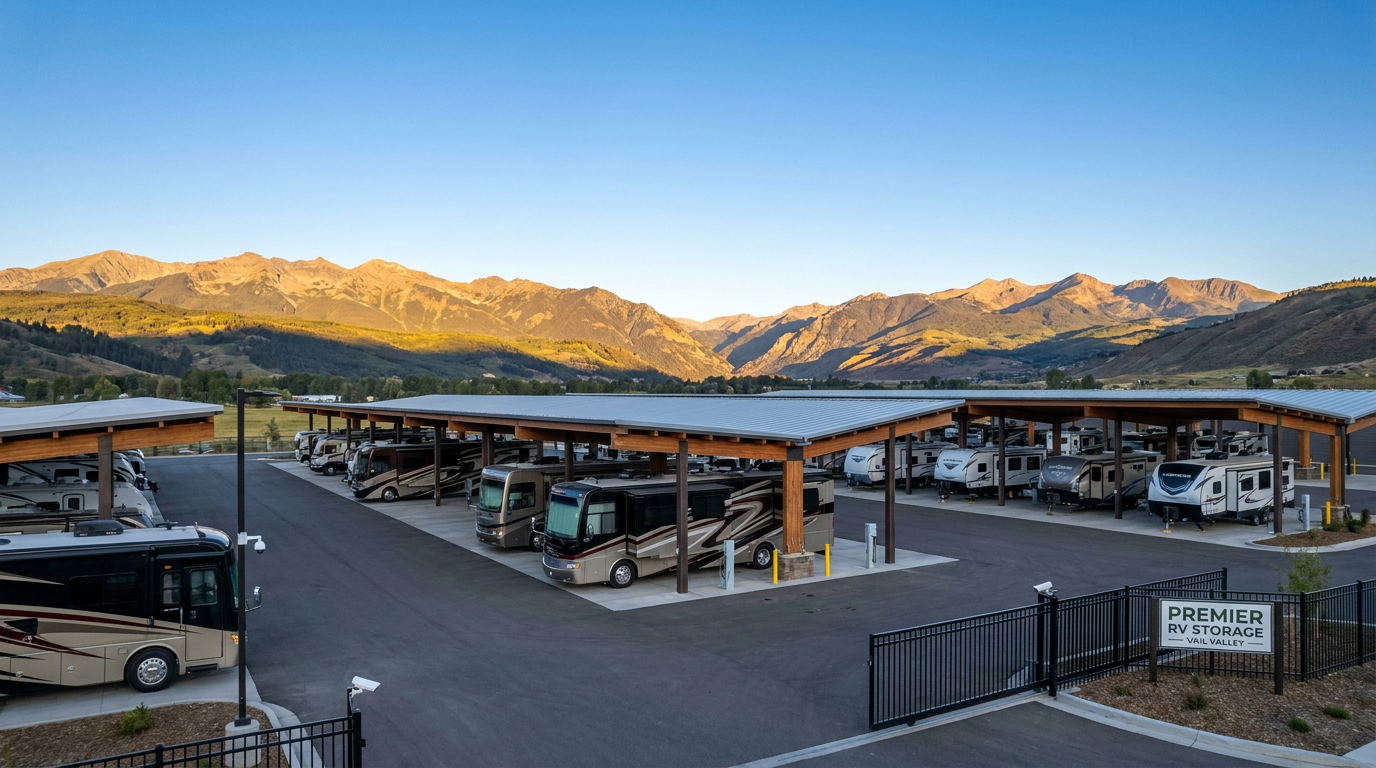
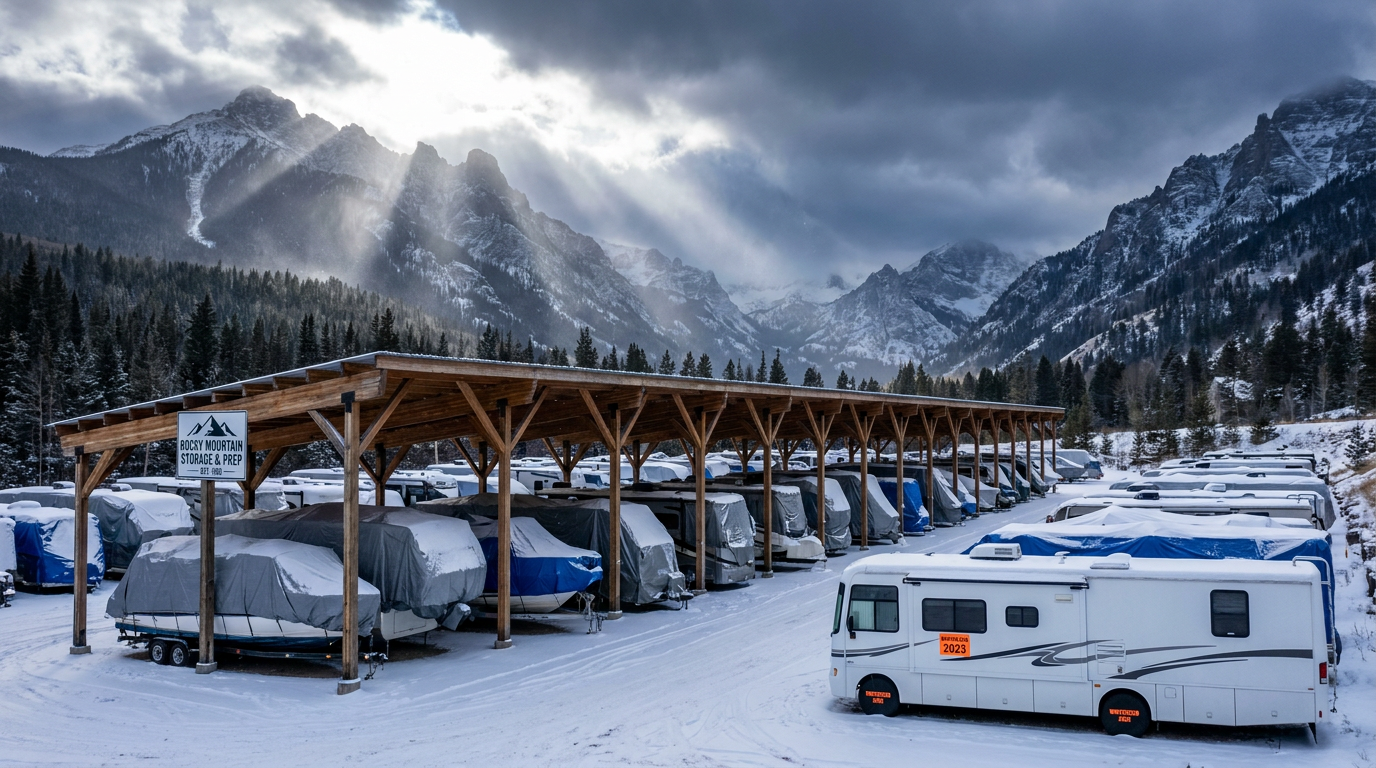
For vehicle owners in Colorado and similar mountain climates, covered storage with electrical hookups provides an alternative to traditional climate controlled units. Facilities like Eagle Canopy RV Storage in the Vail Valley offer covered parking with 20 amp power connections, protecting RVs and boats from harsh weather while allowing trickle charging during storage.
Climate Controlled Storage Unit Features to Compare
Beyond temperature regulation, several features distinguish quality facilities from basic options. According to a 2025 IBISWorld industry report, security features rank as the second most important factor after price for storage customers.
Security Systems
Look for facilities with individual unit alarms, 24 hour video surveillance, gated access with unique PIN codes, and on-site management. Public Storage, Extra Space, and CubeSmart all offer these features at most locations. Some facilities provide insurance options ranging from $10 to $30 per month for coverage up to $5,000.
Climate Controlled Storage Units with Electricity
Some units include electrical outlets for charging batteries, running dehumidifiers, or powering small appliances. This feature costs an additional $15 to $50 per month but proves valuable for storing vehicles, power tools, or items requiring supplemental climate control.
Ground Level vs Upper Floor
Ground level units simplify loading heavy furniture and appliances. Upper floor units in multi-story buildings require elevator use but often cost 5 to 15 percent less. Consider your access frequency and physical ability when choosing floor level.
Month to Month vs Long Term Contracts
Most facilities offer month to month leases with no long term commitment. Some provide discounts of 10 to 20 percent for 6 to 12 month prepayment. Calculate total costs before committing to long term agreements, as move-out penalties may apply.
Regional Considerations for Climate Controlled Storage
Your geographic location significantly impacts whether climate control is necessary and how much it costs. The Federal Emergency Management Agency notes that extreme temperatures cause billions in property damage annually, making storage decisions location-dependent.
Hot and Humid Climates (Florida, Texas, Gulf Coast)
Temperatures exceeding 100 degrees Fahrenheit and humidity above 80 percent make climate control essential for most items. StorageMart and Extra Space Storage report that 70 percent of customers in Houston, Miami, and New Orleans choose climate controlled units. Expect to pay 30 to 40 percent premiums over standard storage in these regions.
Cold Climates (Minnesota, Wisconsin, New England)
Temperatures dropping below zero degrees Fahrenheit can crack plastics, freeze liquids, and damage electronics. Climate controlled units in Minneapolis, Chicago, and Boston maintain above-freezing temperatures year-round. Winter heating costs drive prices 25 to 35 percent above standard units.
Mountain and Variable Climates (Colorado, Utah, Arizona)
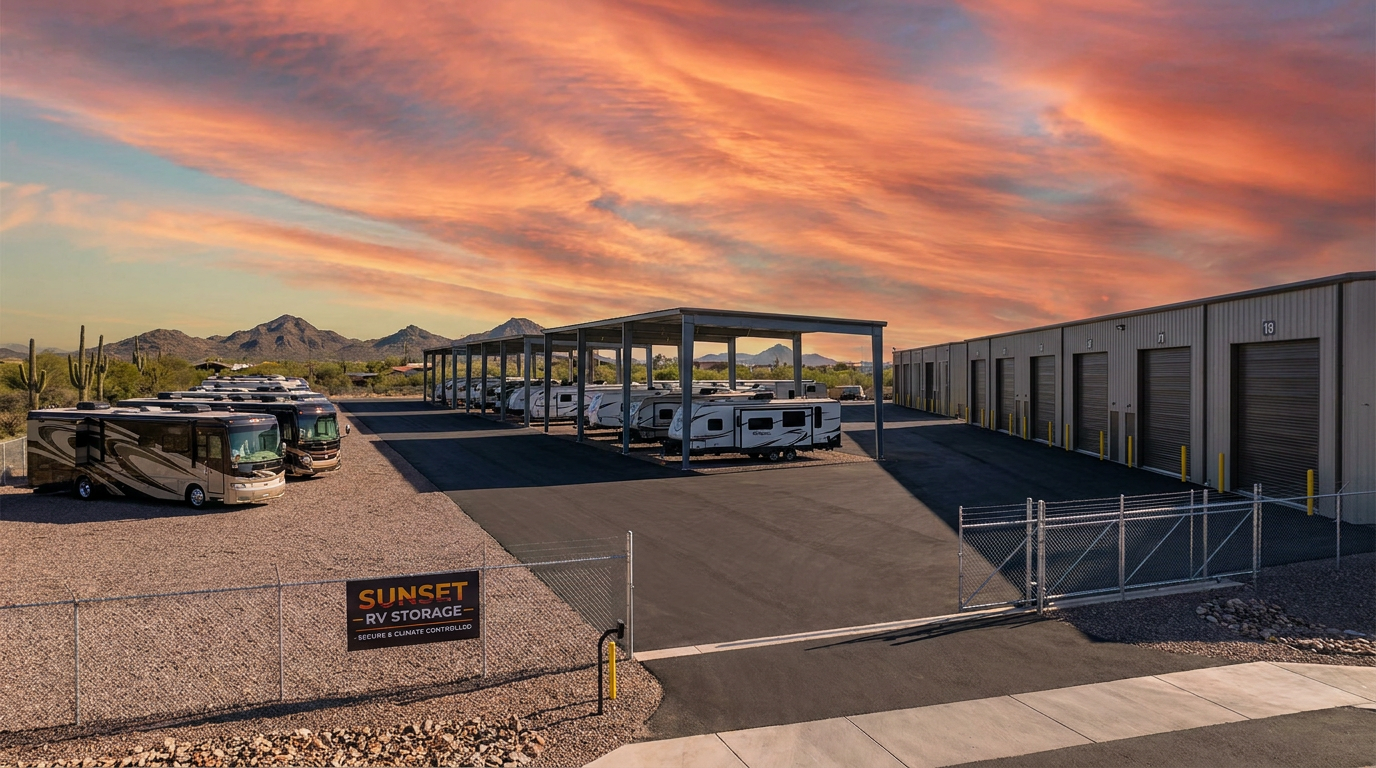
Daily temperature swings of 40 degrees or more stress materials through repeated expansion and contraction cycles. In the Vail Valley and similar mountain regions, covered storage facilities with 24/7 gated access provide protection from snow, UV damage, and temperature extremes without the cost of fully climate controlled indoor units.
Questions to Ask Before Renting Climate Controlled Storage
Asking the right questions prevents surprises and ensures you get appropriate protection for your belongings. The Better Business Bureau recommends getting answers in writing before signing any storage agreement.
Temperature and Humidity Specifications
What exact temperature range does the facility maintain? Is humidity controlled or just temperature? What happens during HVAC maintenance or power outages? Quality facilities maintain backup generators and 24 hour monitoring systems.
Access and Convenience
What are the access hours? Is 24 hour access included or an additional fee? Are there loading docks or carts available? How far is the unit from the entrance? Large climate controlled storage units near the entrance command premium prices but save significant time during moves.
Fees and Policies
What is the total monthly cost including all fees? Are there administrative fees, insurance requirements, or late payment penalties? What is the move-out notice requirement? Most facilities require 10 to 30 days notice to avoid additional charges.
Cheap Climate Controlled Storage: How to Save Money
Finding affordable climate controlled storage requires strategic timing and negotiation. According to SpareFoot data, storage prices fluctuate 15 to 25 percent seasonally, with lowest rates typically available from October through February.
First Month Promotions
Most major chains offer first month free or 50 percent off promotions for new customers. Public Storage, Extra Space, and CubeSmart regularly advertise these deals. Some facilities offer $1 first month specials during slow periods.
Size Optimization
Renting a unit 25 percent smaller than you think you need and organizing efficiently often works better than paying for unused space. A well-organized 5x10 unit holds the same amount as a poorly packed 10x10 unit at half the monthly cost.
Location Trade-offs
Units 10 to 15 miles outside city centers cost 20 to 40 percent less than downtown locations. If you access storage infrequently, the drive time trade-off often justifies significant savings. Compare prices across multiple zip codes before committing.
Alternative Options
Peer-to-peer storage through Neighbor.com offers climate controlled garage and basement space at 30 to 50 percent below commercial rates. For vehicles and large items, covered outdoor storage with electrical hookups provides weather protection at lower cost than fully enclosed climate controlled units.
Frequently Asked Questions About Climate Controlled Storage
Do climate controlled units also control humidity?
Not always. Some facilities only regulate temperature while others maintain both temperature and humidity. Ask specifically about humidity control, especially in humid climates. True climate controlled storage maintains humidity between 30 and 50 percent. Temperature-only units may still allow moisture damage in high-humidity regions.
Is indoor storage better than drive-up storage?
Indoor storage offers better protection from weather, pests, and temperature extremes. Drive-up storage provides easier loading and unloading for large items and vehicles. Choose indoor climate controlled for sensitive items stored long-term. Choose drive-up for frequent access and durable goods stored short-term.
What size storage unit do I need for furniture and household items?
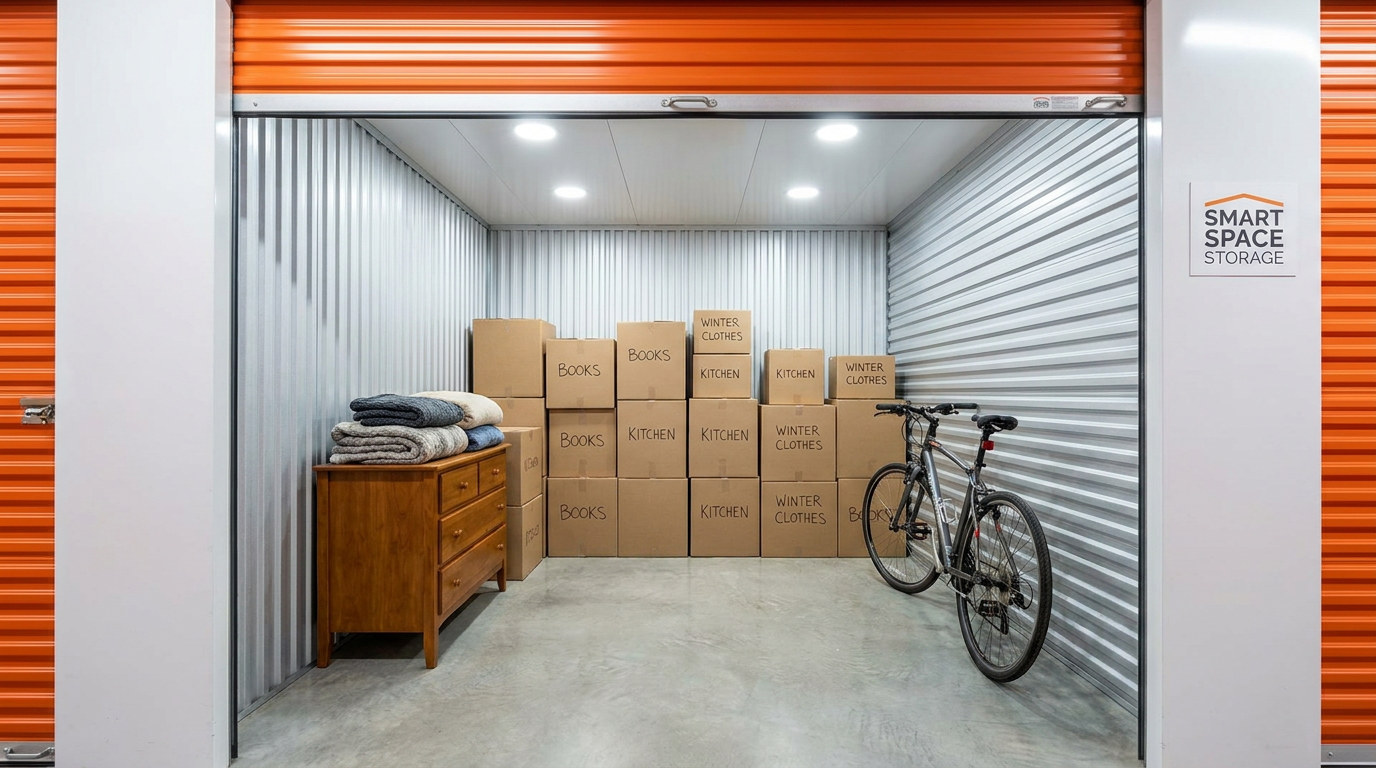
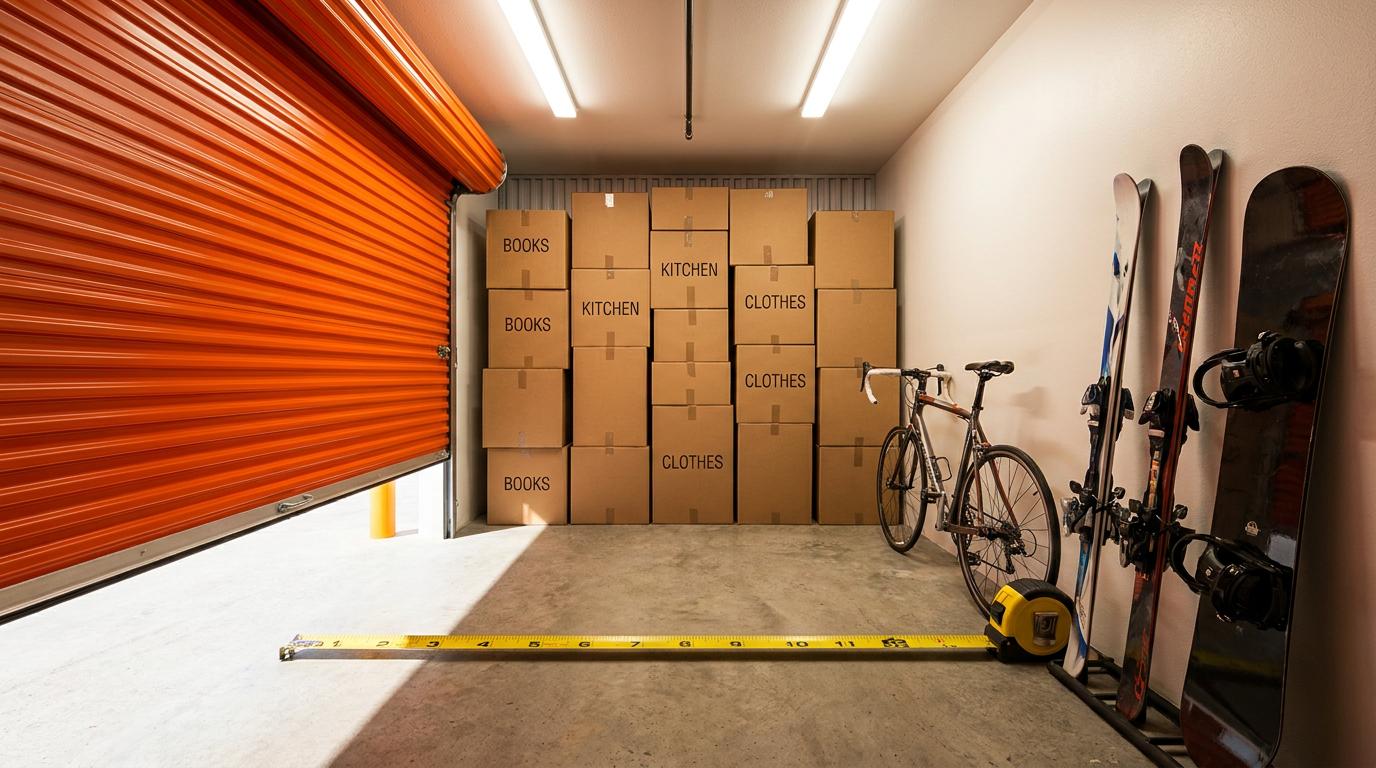
A 5x10 unit (50 square feet) holds contents of a studio apartment or small one-bedroom. A 10x10 unit (100 square feet) accommodates a two-bedroom apartment. A 10x20 unit (200 square feet) fits a three to four bedroom home. Add 25 percent extra space for walkways and access to items in back.
Can I store electronics safely in a climate controlled unit?
Yes, climate controlled storage protects electronics from temperature and humidity damage. Remove batteries before storage to prevent corrosion. Wrap items in anti-static materials. Store electronics off the floor on pallets or shelves. Check items every 3 to 6 months during long-term storage.
Are climate controlled storage units worth it in my climate?
Climate control is worth the cost if your area experiences temperatures above 90 degrees or below 32 degrees Fahrenheit, humidity above 60 percent, or daily temperature swings exceeding 30 degrees. For mild climates with consistent moderate temperatures, standard storage often suffices for durable items.
How do I find climate controlled storage units near me within 5 miles?
Use Google Maps or storage aggregator sites like SpareFoot with location filters. Enter your zip code and select climate controlled as a filter. Most sites allow radius searches of 5, 10, or 25 miles. Call facilities directly to confirm climate control specifications before visiting.
Making Your Final Decision
Choosing the right climate controlled storage facility requires balancing cost, convenience, and protection level. Start by inventorying what you plan to store and determining which items truly need climate control. Compare at least three facilities within your preferred radius, verifying temperature specifications and total monthly costs including all fees.
For RV and boat owners in Colorado's Vail Valley region, Eagle Canopy RV Storage offers covered parking with 20 amp electrical hookups, providing weather protection and battery maintenance capability at competitive rates. Check the facility directly for current rates and any active promotions.
Whether you choose a national chain, local provider, or specialized vehicle storage facility, confirm all terms in writing before signing. Take photos of your belongings before storage and maintain an inventory list for insurance purposes. With proper planning, climate controlled storage protects your valuables while providing peace of mind during any storage duration.
|