Smallest Storage Units: 5x5 Size Guide and What Fits Inside |
| SMALLEST STORAGE UNITS
⏱ 10 min read ·
📄 #1,949 words
The smallest storage units are 5x5 feet (25 sq ft), fitting 10-15 boxes and small furniture. Compare locker sizes, costs, and capacity in this complete guide.
|
T he smallest standard storage unit measures 5 feet by 5 feet, providing 25 square feet of floor space comparable to a walk-in closet. Storage lockers offer even smaller options, typically ranging from 2x2 to 4x4 feet. These compact units hold 10 to 15 medium boxes, seasonal items, and small furniture pieces, costing between $25 and $75 per month depending on location and climate control features.
| Key Points: | |
|---|---|
| • | 5x5 units (25 sq ft) are the smallest standard size, fitting 10-15 boxes plus small furniture |
| • | Storage lockers range from 2x2 to 4x4 feet for documents, seasonal clothing, and valuables |
| • | Monthly costs range from $25-$75, with climate control adding $10-$30 extra |
| • | A queen mattress will NOT fit in a 5x5 unit; you need at least a 5x10 for mattresses |
| • | Public Storage, Extra Space Storage, and CubeSmart offer the widest selection of small units nationwide |
What Is the Smallest Storage Unit Size Available?
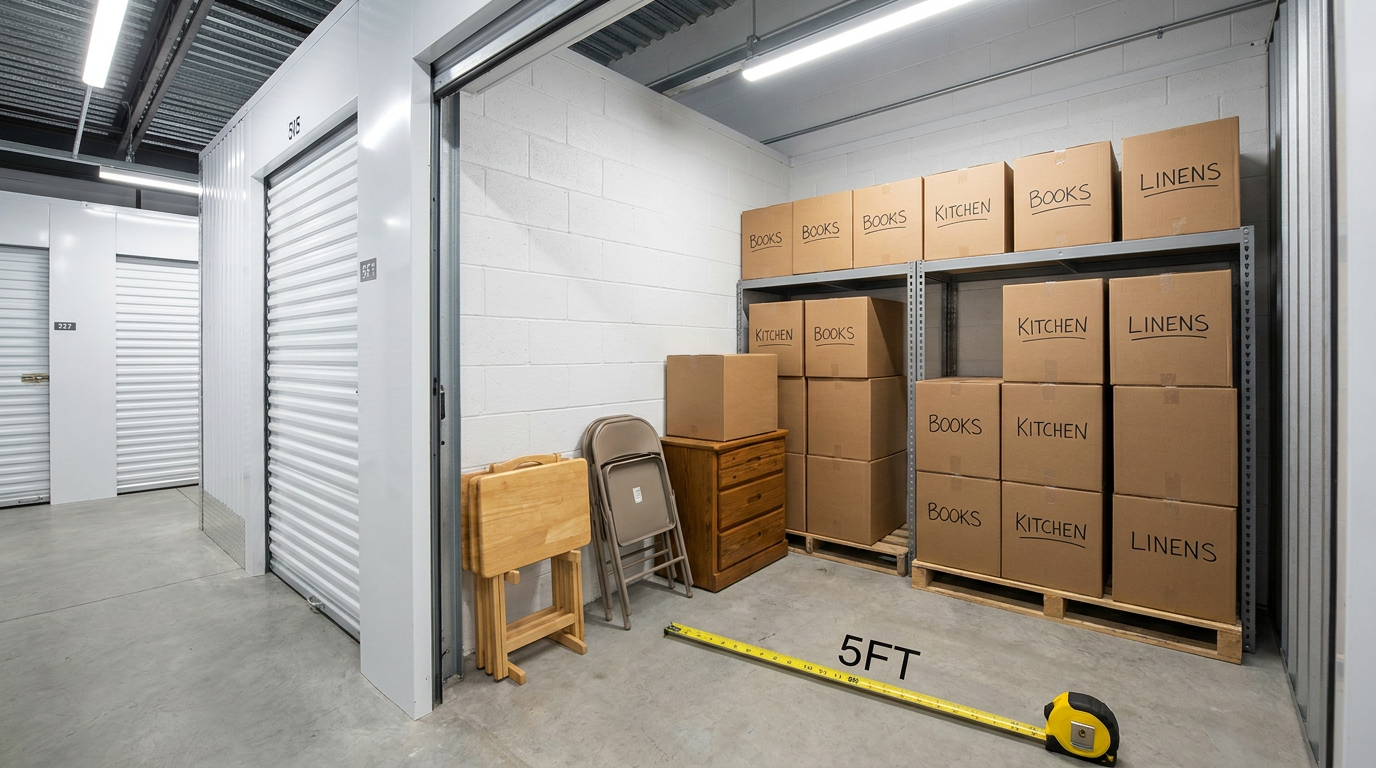
According to the Self Storage Association, the smallest standard storage unit is 5x5 feet, totaling 25 square feet of floor space. Most facilities offer ceiling heights between 7 and 8 feet, providing approximately 175 to 200 cubic feet of storage capacity. This matches the dimensions of a typical residential closet.
Storage lockers represent an even smaller category. Extra Space Storage offers locker sizes starting at 2x2 feet (4 square feet), while CubeSmart provides options as small as 3x3 feet. These lockers work well for document storage, small electronics, and seasonal accessories that require minimal space.
U-Haul classifies all units under 50 square feet as "small storage," which includes both 5x5 units and storage lockers. This classification helps renters understand that anything in this range serves similar purposes: storing overflow items from home without requiring significant space.
5x5 Storage Unit Dimensions and Capacity
A 5x5 storage unit measures exactly 5 feet wide by 5 feet deep, creating a square floor plan of 25 square feet. With standard 8-foot ceilings, total volume reaches 200 cubic feet. Public Storage notes this equals roughly the size of a large walk-in closet or half a standard bathroom.
What Fits in a 5x5 Storage Unit
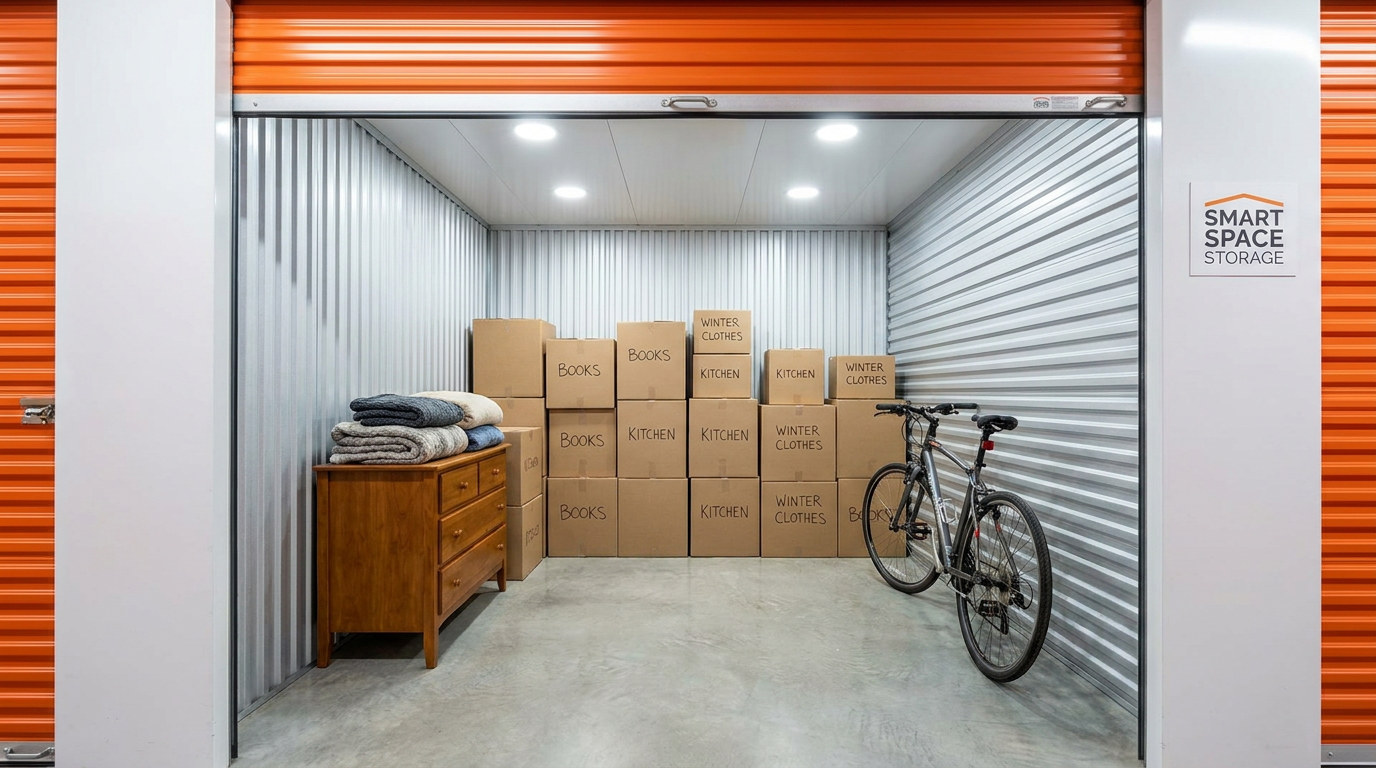
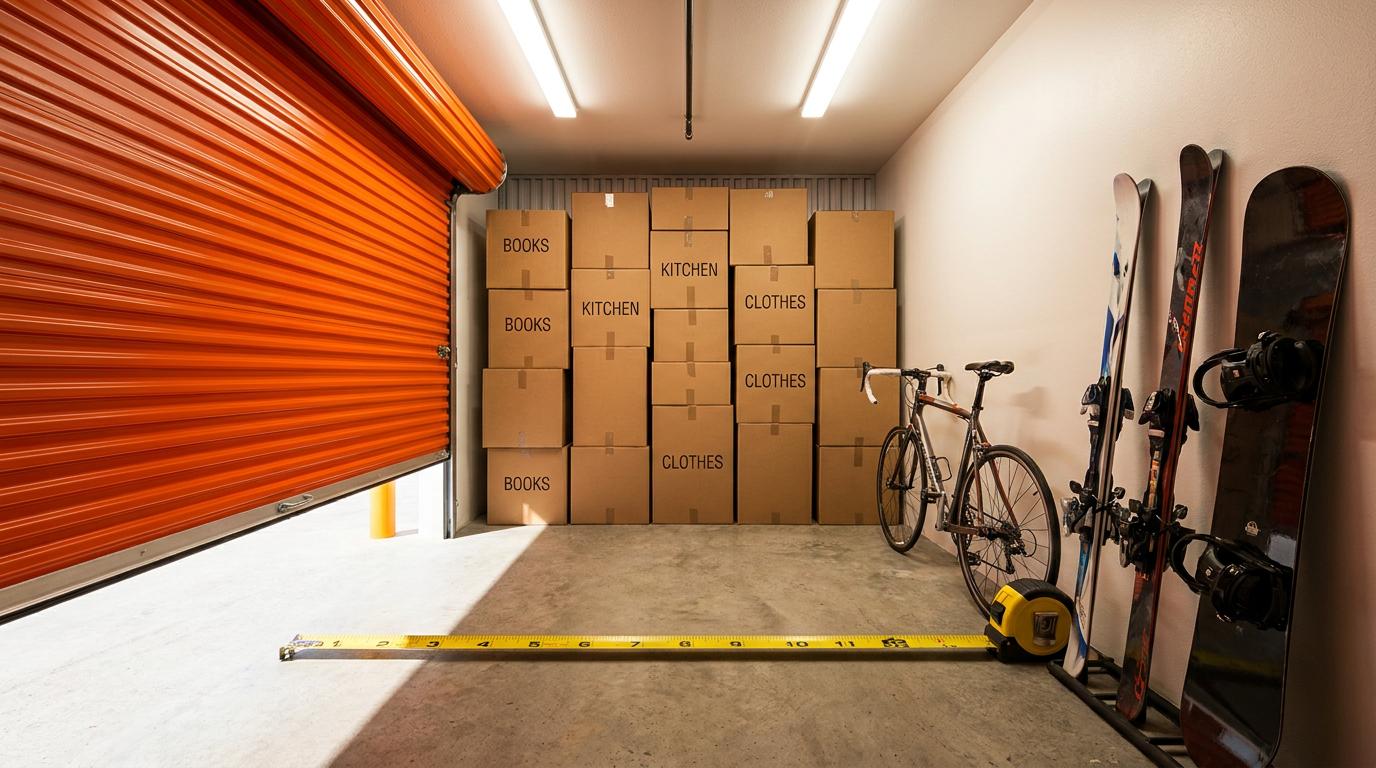
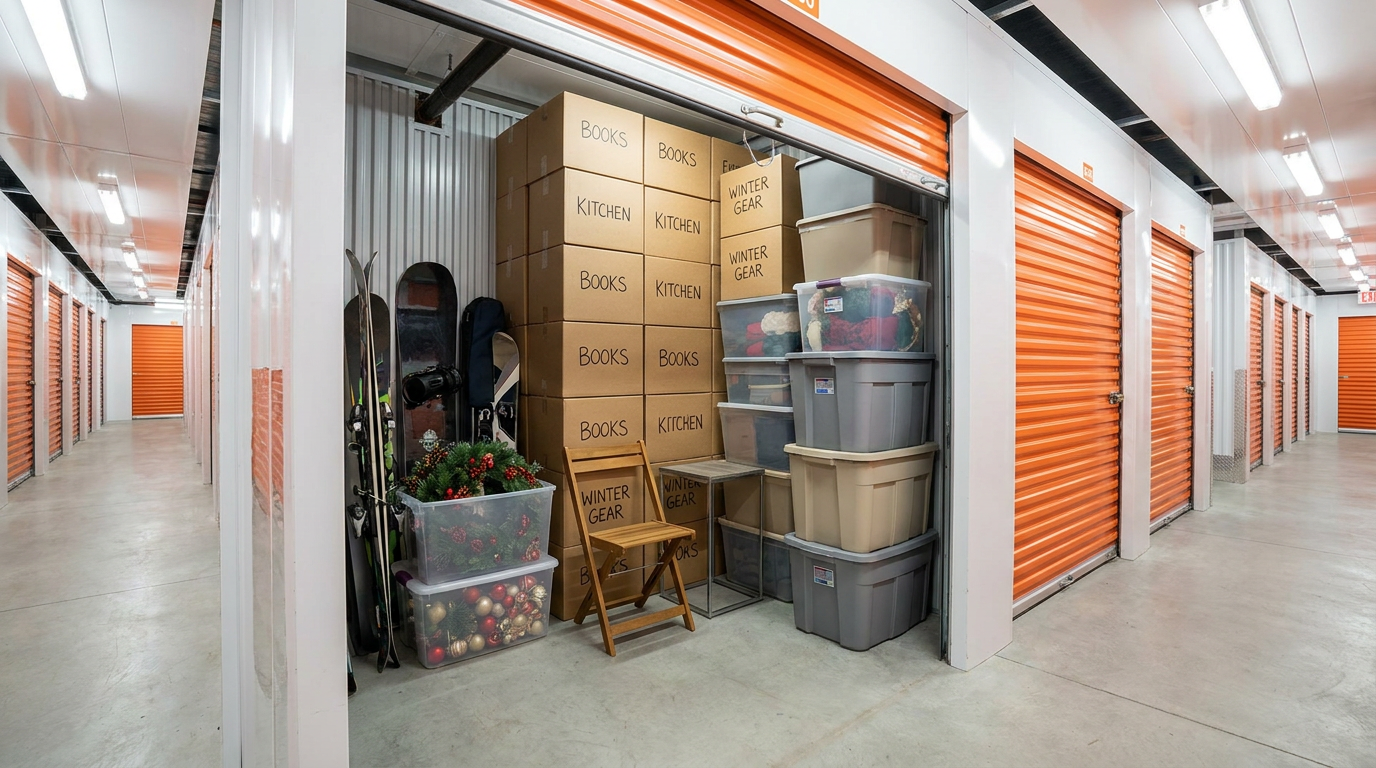
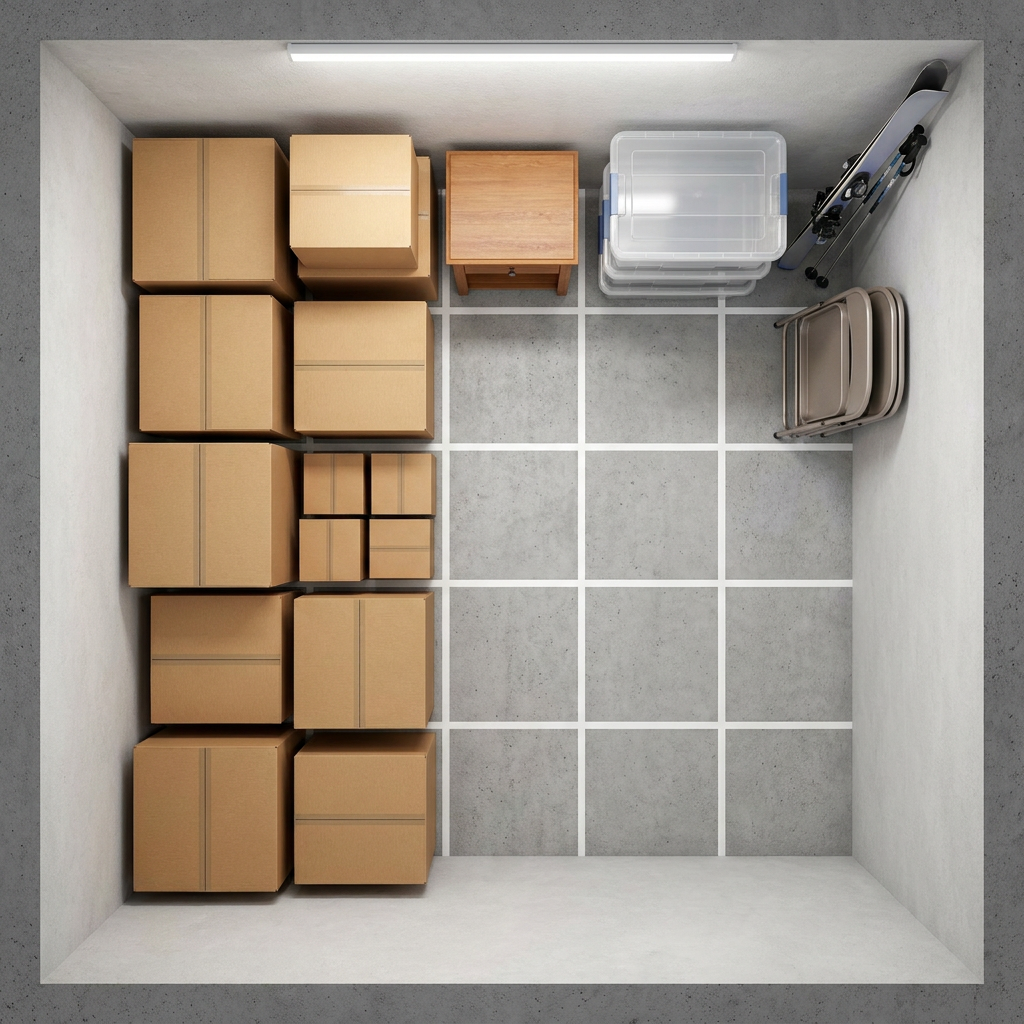
The 5x5 unit accommodates specific items based on careful packing. According to Extra Space Storage's capacity guidelines, you can fit approximately 10 to 15 medium moving boxes (measuring 18x18x16 inches each) when stacked efficiently. Beyond boxes, the unit handles several furniture and household categories.
| Item Category | What Fits | What Does NOT Fit |
|---|---|---|
| Mattresses | Twin mattress (standing upright) | Full, queen, or king mattresses |
| Furniture | Nightstands, small desks, folding chairs | Sofas, dining tables, dressers |
| Sports Equipment | Skis, golf clubs, bicycles (1-2) | Kayaks, most motorcycles |
| Seasonal Items | Holiday decorations, winter clothing, camping gear | Large artificial trees, multiple tents |
| Electronics | Computer monitors, small TVs, gaming consoles | TVs over 55 inches (boxed) |
Metro Storage emphasizes that most motorcycles exceed the 5-foot depth of these units, making them unsuitable for vehicle storage. Standard motorcycles measure 7 to 8 feet in length, requiring at least a 5x10 unit.
Storage Locker Sizes: Smaller Than 5x5
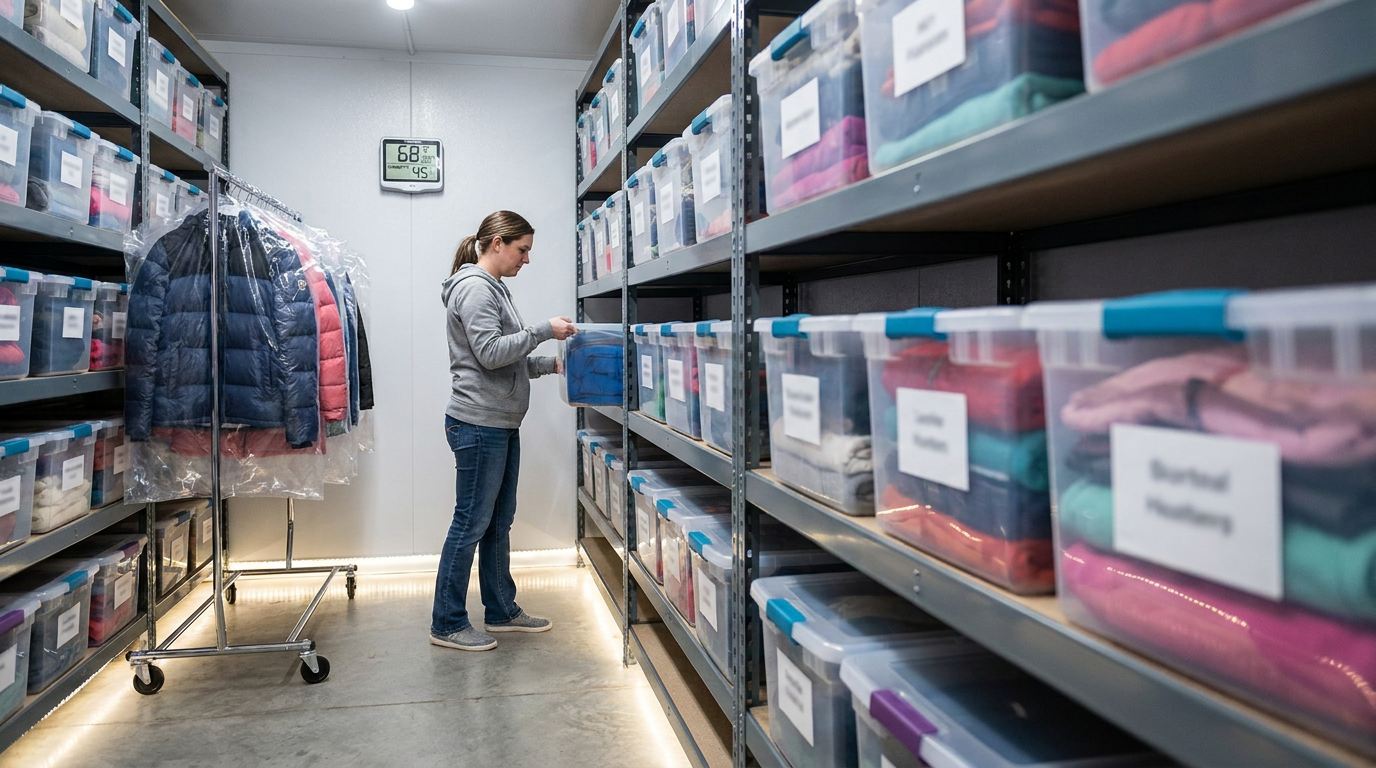
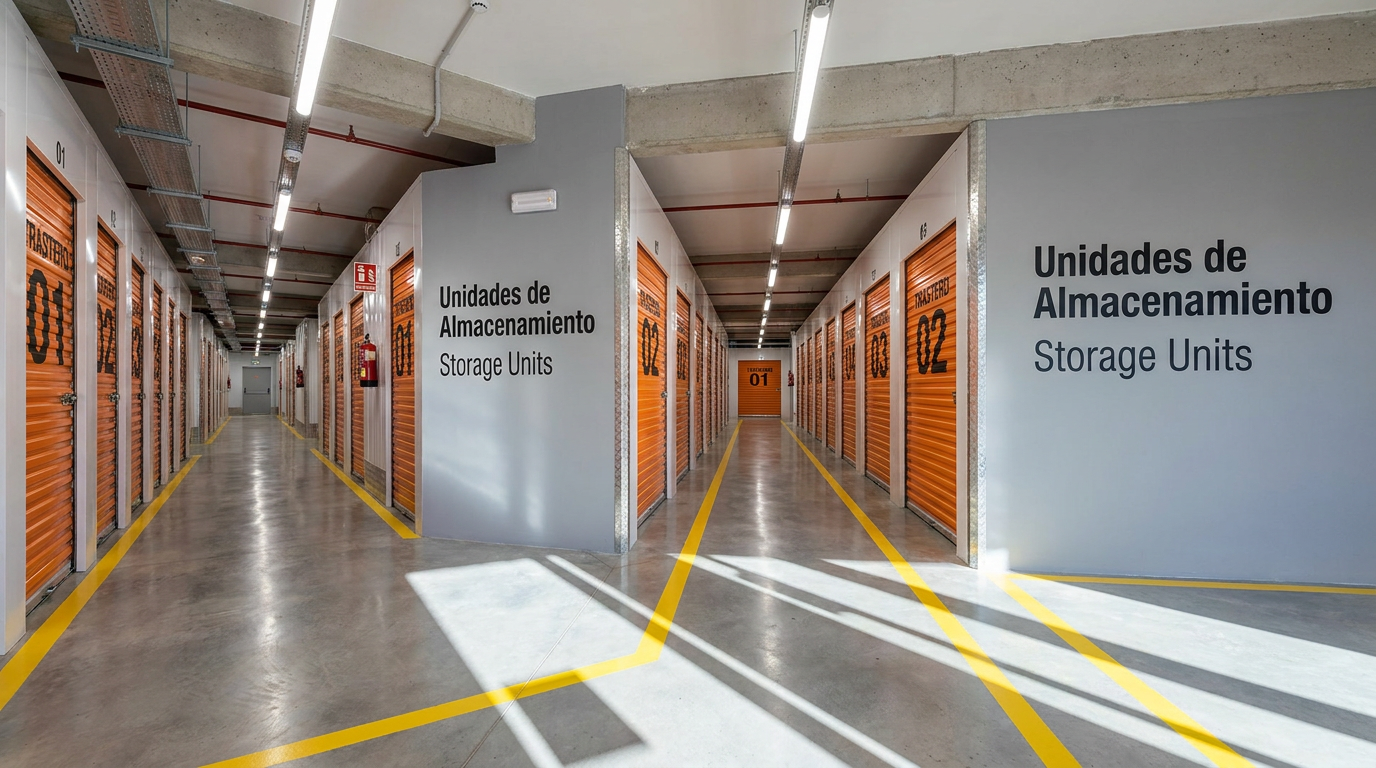
Storage lockers provide alternatives for renters needing less than 25 square feet. These units function like gym lockers or school lockers but offer more security and longer rental terms. Facilities like Manhattan Mini Storage and StorageSense specialize in these compact options for urban renters.
Common Locker Dimensions
Extra Space Storage offers six locker sizes: 2x2, 3x3, 3x4, 4x4, 4x5, and 5x5 feet. The smallest 2x2 locker provides just 4 square feet, suitable for a single box of documents or a small safe. The 4x4 option (16 square feet) bridges the gap between lockers and standard units.
StorageSense describes their locker dimensions as approximately 4x3x4 feet, creating a cube-shaped space. This configuration works well for stacking boxes vertically while maintaining easy access to contents. Lockers typically cost 30% to 50% less than 5x5 units at the same facility.
How Much Do the Smallest Storage Units Cost?
Pricing for small storage units varies significantly by location, according to data from StorageCafe's 2024 market analysis. National averages show 5x5 units renting between $40 and $75 monthly, while storage lockers range from $25 to $50. Urban markets like Los Angeles, New York, and San Francisco command premium rates 40% to 60% above these averages.
Price Comparison by Provider
| Storage Provider | 5x5 Unit Price Range | Locker Price Range | Notable Features |
|---|---|---|---|
| Public Storage | $45-$89/month | $29-$55/month | Largest nationwide network |
| Extra Space Storage | $16-$95/month | $16-$45/month | Widest locker selection |
| CubeSmart | $39-$79/month | $25-$49/month | First month free promotions |
| U-Haul | $35-$70/month | $20-$40/month | Bundled with truck rentals |
| Life Storage | $42-$85/month | $28-$52/month | Climate control standard |
Climate-controlled small units add $10 to $30 per month to base prices. This feature maintains temperatures between 55 and 80 degrees Fahrenheit year-round, protecting sensitive items from extreme heat or cold. The Self Storage Association reports 42% of facilities now offer climate control as standard in their smallest units.
Can You Fit a Queen Mattress in a 5x5 Storage Unit?
No, a queen mattress will not fit in a 5x5 storage unit. Standard queen mattresses measure 60 inches wide by 80 inches long (5 feet by 6.67 feet). Since a 5x5 unit is only 5 feet deep, the mattress cannot fit even when standing upright against the wall.
For mattress storage, consider these minimum size requirements based on Mattress Firm specifications:
- Twin mattress (38" x 75"): Fits in 5x5 unit standing upright
- Full mattress (54" x 75"): Requires 5x8 or 5x10 unit minimum
- Queen mattress (60" x 80"): Requires 5x10 unit minimum
- King mattress (76" x 80"): Requires 10x10 unit minimum
Advantage Storage recommends using mattress bags regardless of unit size. These protective covers cost $15 to $40 and prevent dust, moisture, and pest damage during storage periods exceeding 30 days.
Cheaper Alternatives to Small Storage Units
Several alternatives cost less than traditional self-storage facilities while providing similar functionality. RentCafe's 2024 storage survey found that 34% of consumers now use alternative storage methods to reduce monthly expenses.
Portable Storage Containers
Companies like PODS, 1-800-PACK-RAT, and U-Pack deliver containers to your location. The smallest PODS container measures 8 feet long, providing significantly more space than a 5x5 unit. Monthly rates start at $99 for on-site storage, but this includes delivery and pickup services that self-storage facilities charge separately.
Peer-to-Peer Storage
Platforms such as Neighbor.com and Stashbee connect renters with homeowners offering garage, basement, or attic space. Average rates run 30% to 50% below commercial facilities, with small spaces available for $20 to $40 monthly. The Insurance Information Institute notes these arrangements typically lack the security features of commercial facilities.
Decluttering Services
Services like Clutter and MakeSpace pick up, catalog, and store items in their warehouses. Pricing starts at $7.50 per month per item or $99 monthly for bins. These services work well for seasonal items you access infrequently, as retrieval requires scheduling and delivery fees.
How to Maximize Space in the Smallest Storage Units
Professional organizers from the National Association of Productivity and Organizing Professionals recommend specific techniques for small unit efficiency. These methods can increase usable capacity by 25% to 40% compared to random packing.
Vertical Stacking Strategy
Stack boxes from floor to ceiling, placing heaviest items at the bottom. Use uniform box sizes when possible; 18x18x16 inch medium boxes stack most efficiently. Leave a 2-inch gap between the top box and ceiling for air circulation and easy removal.
Furniture Disassembly
Remove legs from tables and desks. Take apart bed frames completely. Store cushions inside hollow furniture pieces. These techniques reduce furniture footprint by approximately 30%, according to Two Men and a Truck's packing guidelines.
Shelving Installation
Freestanding wire shelving units from Home Depot or Lowes cost $30 to $80 and dramatically improve small unit organization. A single 4-shelf unit measuring 36x14x54 inches creates accessible storage without unstacking boxes. Most facilities permit freestanding shelves that do not attach to walls.
When to Upgrade from the Smallest Storage Unit
Certain situations require more space than 5x5 units provide. Metro Storage's size guide identifies clear upgrade triggers based on inventory type and quantity.
Upgrade to 5x10 (50 sq ft) when storing:
- Contents of a studio apartment or dorm room
- Full or queen mattress sets
- More than 20 medium boxes
- Large sports equipment (kayaks, surfboards)
- Motorcycles or riding mowers
Upgrade to 10x10 (100 sq ft) when storing:
- Contents of a one-bedroom apartment
- Multiple furniture pieces (sofa, dining set, bedroom set)
- King-size mattress with box spring
- Business inventory or equipment
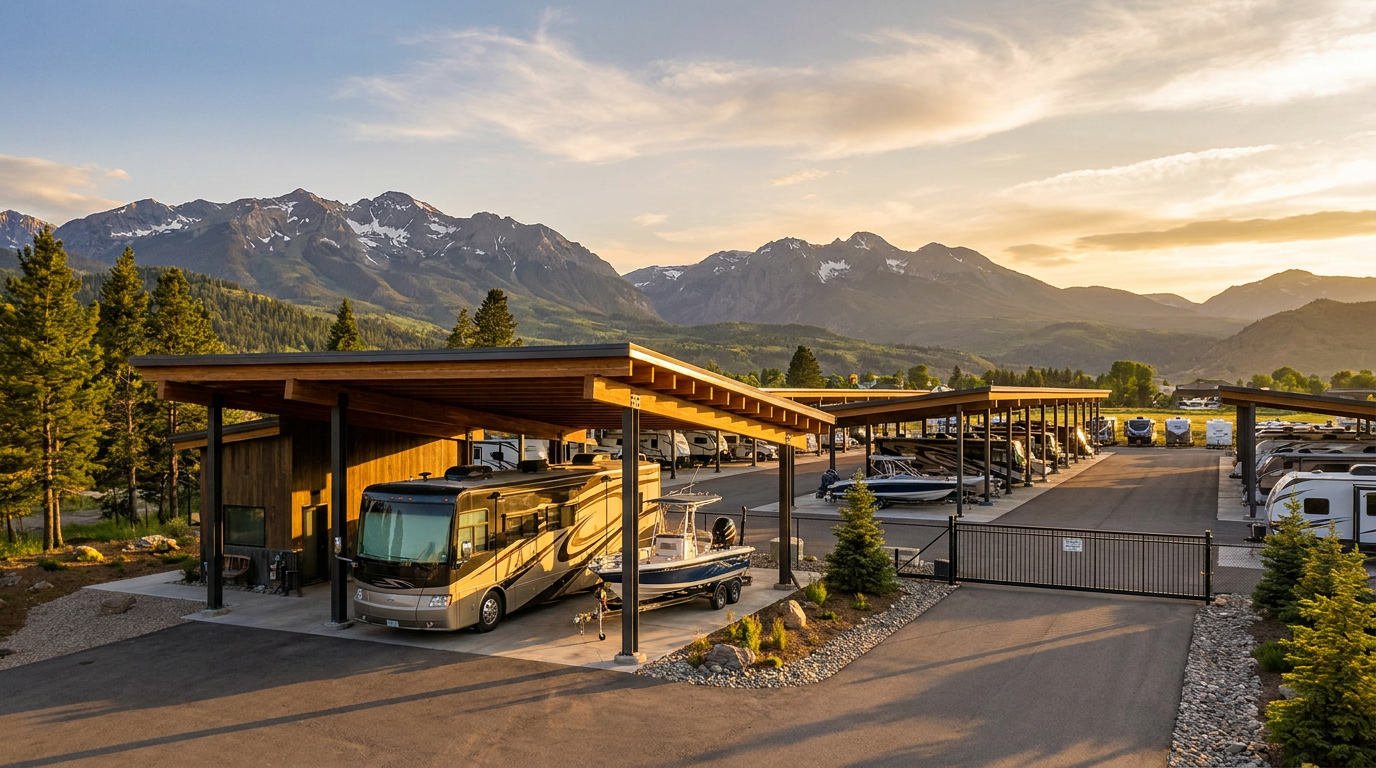
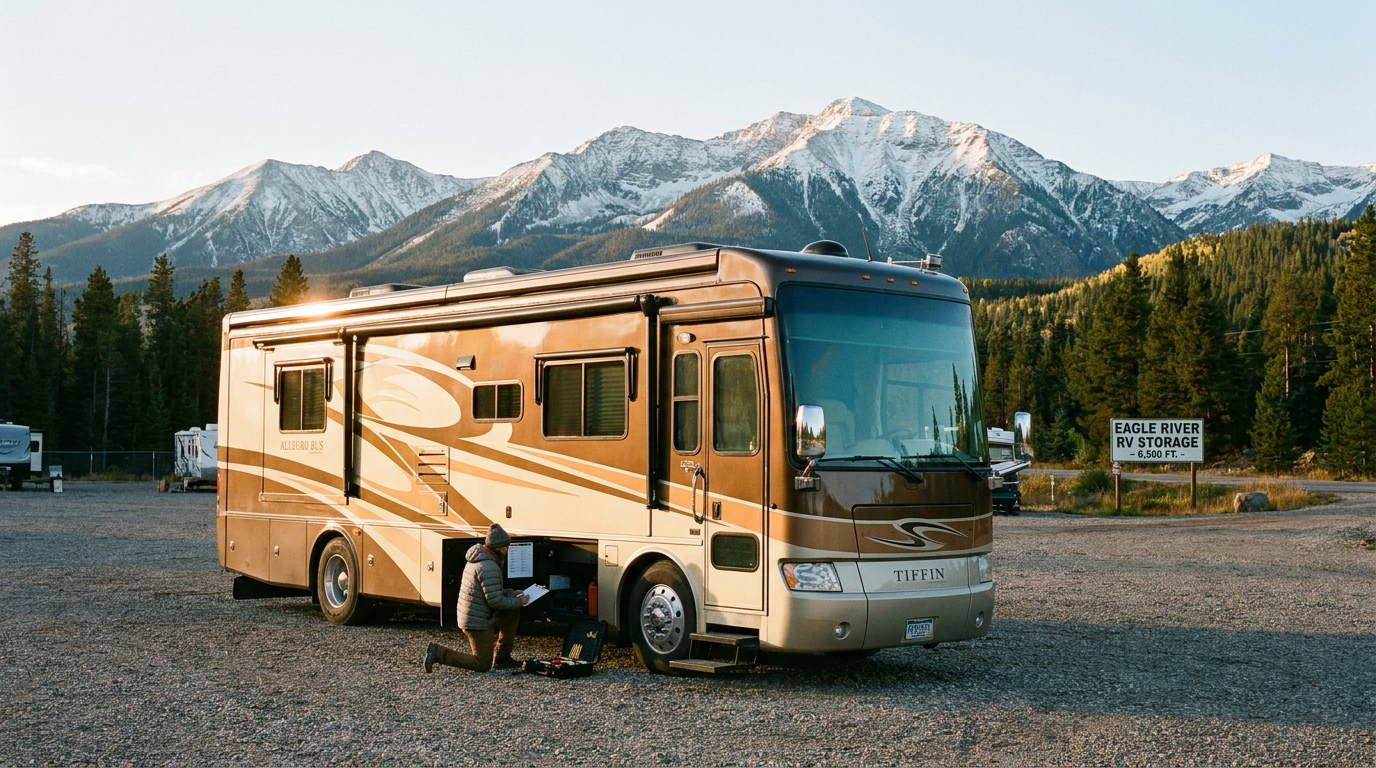
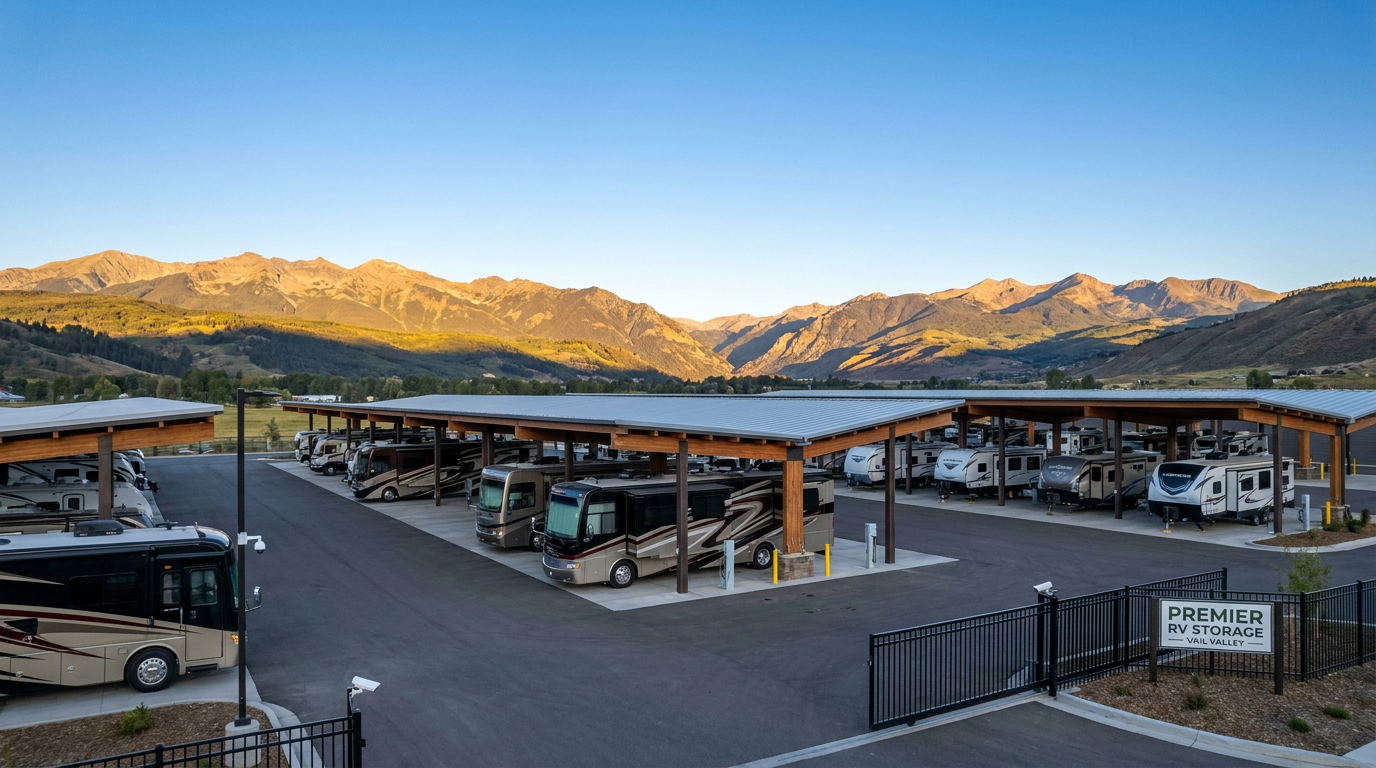
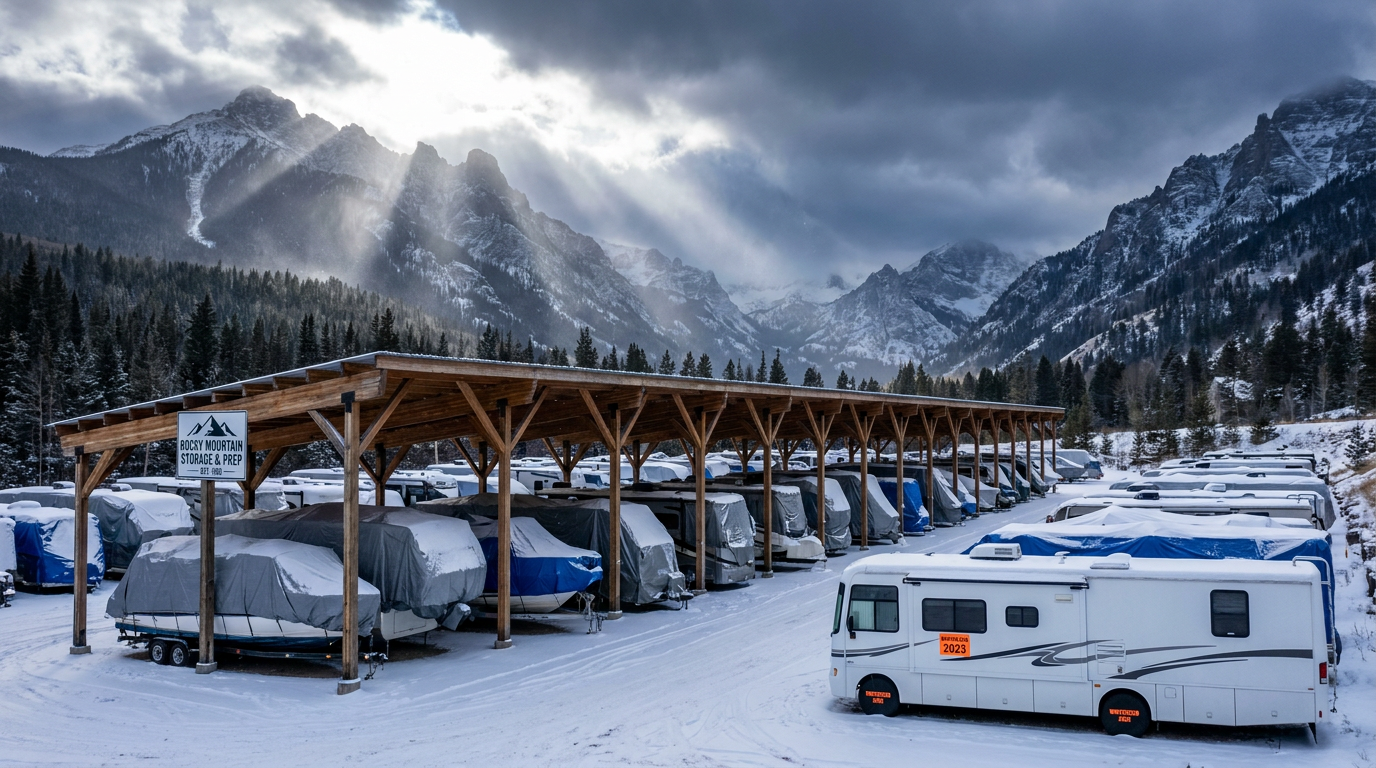
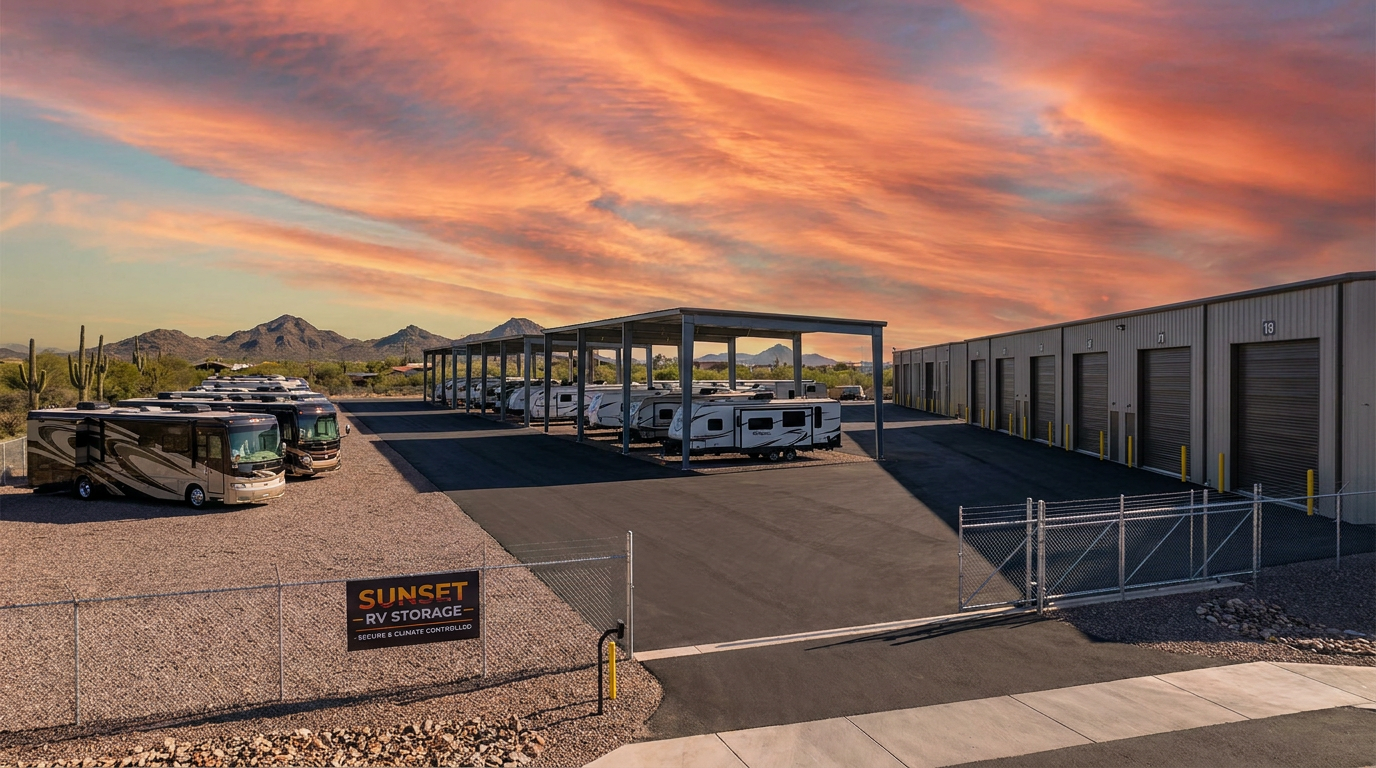
For RV owners, boat owners, and those with larger vehicles, specialized storage facilities offer covered parking spaces with electrical hookups. These options protect valuable recreational vehicles from weather damage while providing convenient access. Eagle Canopy RV Storage in Gypsum, Colorado offers covered parking spaces starting at 12x15 feet with 20-amp power connections for trickle charging.
Frequently Asked Questions About Small Storage Units
What is the smallest storage unit size?
The smallest standard storage unit is 5x5 feet (25 square feet). Storage lockers offer even smaller options, with sizes starting at 2x2 feet (4 square feet) at facilities like Extra Space Storage. Lockers work best for documents, small valuables, and seasonal accessories.
What unit of storage is the smallest?
In self-storage terminology, a "locker" represents the smallest rentable unit, typically measuring 2x2 to 4x4 feet. These differ from standard units by their reduced dimensions and lower monthly costs. The smallest locker provides 4 square feet, while the smallest standard unit provides 25 square feet.
How many boxes fit in a 5x5 storage unit?
A 5x5 storage unit holds 10 to 15 medium moving boxes (18x18x16 inches) when stacked efficiently. Using uniform box sizes and stacking to ceiling height maximizes capacity. Adding small furniture items reduces box capacity to approximately 8 to 12 boxes.
Is a 5x5 storage unit big enough for furniture?
A 5x5 unit accommodates small furniture only: nightstands, small desks, folding chairs, and twin mattresses (standing upright). Larger items like sofas, dining tables, dressers, and queen mattresses require at least a 5x10 unit. Disassembling furniture increases what fits in small units.
How much does the smallest storage unit cost per month?
Small storage units cost $25 to $75 monthly depending on location and features. Storage lockers average $25 to $50 monthly, while 5x5 units average $40 to $75 monthly. Climate control adds $10 to $30 to base prices. Urban markets like New York and San Francisco charge 40% to 60% above national averages.
What is a cheaper alternative to a storage unit?
Peer-to-peer storage platforms like Neighbor.com offer rates 30% to 50% below commercial facilities. Portable containers from PODS start at $99 monthly with delivery included. Decluttering services like Clutter charge $7.50 per item monthly. Each alternative involves tradeoffs in security, accessibility, or convenience.
Choosing the Right Small Storage Solution
Selecting between storage lockers, 5x5 units, or larger options depends on three factors: inventory volume, access frequency, and budget constraints. The Self Storage Association reports that 65% of first-time renters underestimate their space needs, leading to early upgrades and additional moving costs.
Create a complete inventory list before renting. Measure large items precisely. Consider whether you need climate control for electronics, documents, or temperature-sensitive materials. Factor in access hours if you plan frequent visits. These preparation steps prevent choosing a unit that is too small or paying for space you do not need.
For vehicle storage needs including RVs, boats, and recreational vehicles, covered parking facilities provide protection from weather while offering electrical connections for battery maintenance. Learn more about secure covered storage options that protect your investment from Colorado's harsh weather conditions.
|