How Much Do Storage Units Cost? 2026 Pricing Guide by Size |
| HOW MUCH DO STORAGE UNITS COST
⏱ 14 min read ·
📄 #2,790 words
Storage units cost $40 to $460+ per month in 2026. Get exact pricing by size, from 5x5 units to 12x50 covered RV spaces, plus tips to save on monthly rates.
|
S torage units cost between $40 and $460 per month in 2026, depending on size, location, and features. A standard 10x10 self-storage unit averages $89 to $150 monthly nationwide, while covered RV and vehicle storage ranges from $150 for open parking to $460 or more for large covered spaces with electric hookups.
| Key Points: | |
|---|---|
| • | Small 5x5 units cost $40 to $75 per month; large 10x30 units run $200 to $370 |
| • | Climate-controlled storage adds $25 to $50 monthly compared to standard units |
| • | RV and vehicle covered storage costs $150 to $460 per month based on length |
| • | Location impacts pricing by 30% to 50%; major cities like New York and San Francisco charge double rural rates |
| • | First-month discounts of 40% to 50% are common at national chains like Extra Space Storage and Public Storage |
Average Storage Unit Costs by Size in 2026
According to SpareFoot's May 2026 data, the current national average for self-storage is $89.09 per month. However, actual costs vary significantly based on unit dimensions. The Self Storage Association reports over 60,000 facilities operate across the United States, creating competitive pricing in most markets.
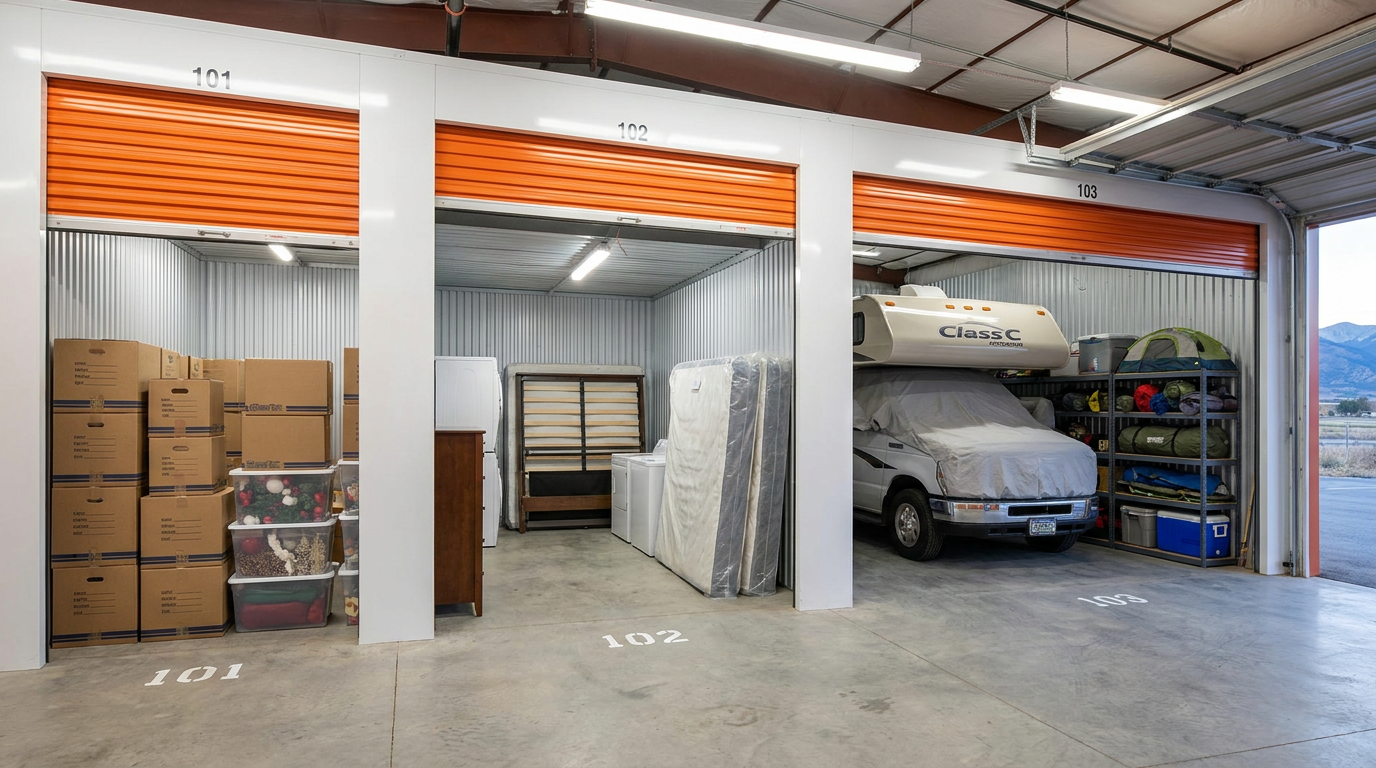
Small units work well for seasonal items, boxes, and small furniture. Medium units accommodate apartment contents or vehicle parts. Large units handle full household moves or commercial inventory storage.
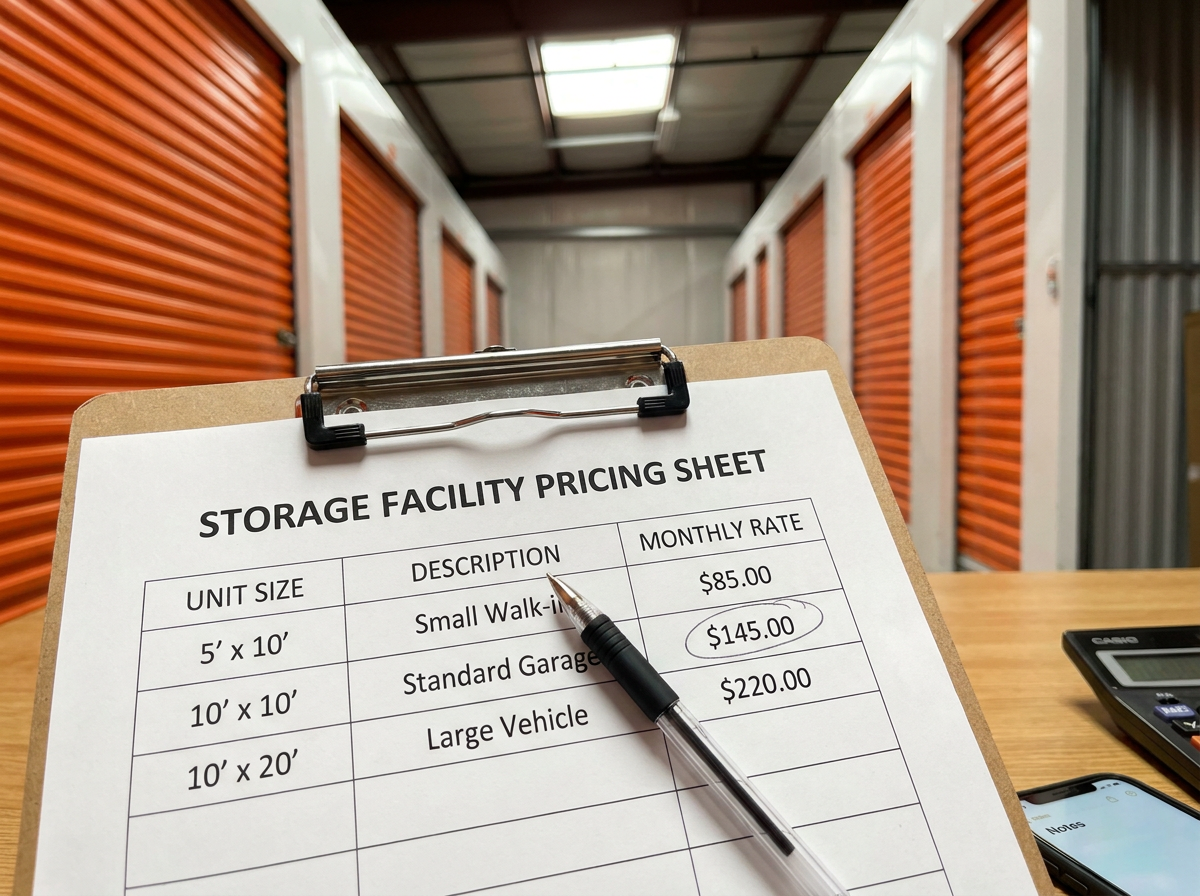
| Unit Size | Square Feet | Monthly Cost Range | Best For |
|---|---|---|---|
| 5x5 | 25 sq ft | $40 to $75 | Small closet; boxes, seasonal decor |
| 5x10 | 50 sq ft | $50 to $100 | Walk-in closet; mattress, dresser, boxes |
| 10x10 | 100 sq ft | $89 to $175 | Small bedroom; one-bedroom apartment contents |
| 10x15 | 150 sq ft | $120 to $225 | Large bedroom; two-bedroom apartment |
| 10x20 | 200 sq ft | $150 to $300 | One-car garage; three-bedroom house |
| 10x30 | 300 sq ft | $200 to $370 | Large garage; four-bedroom house, vehicles |
How Big Is a 10x10 Storage Unit?
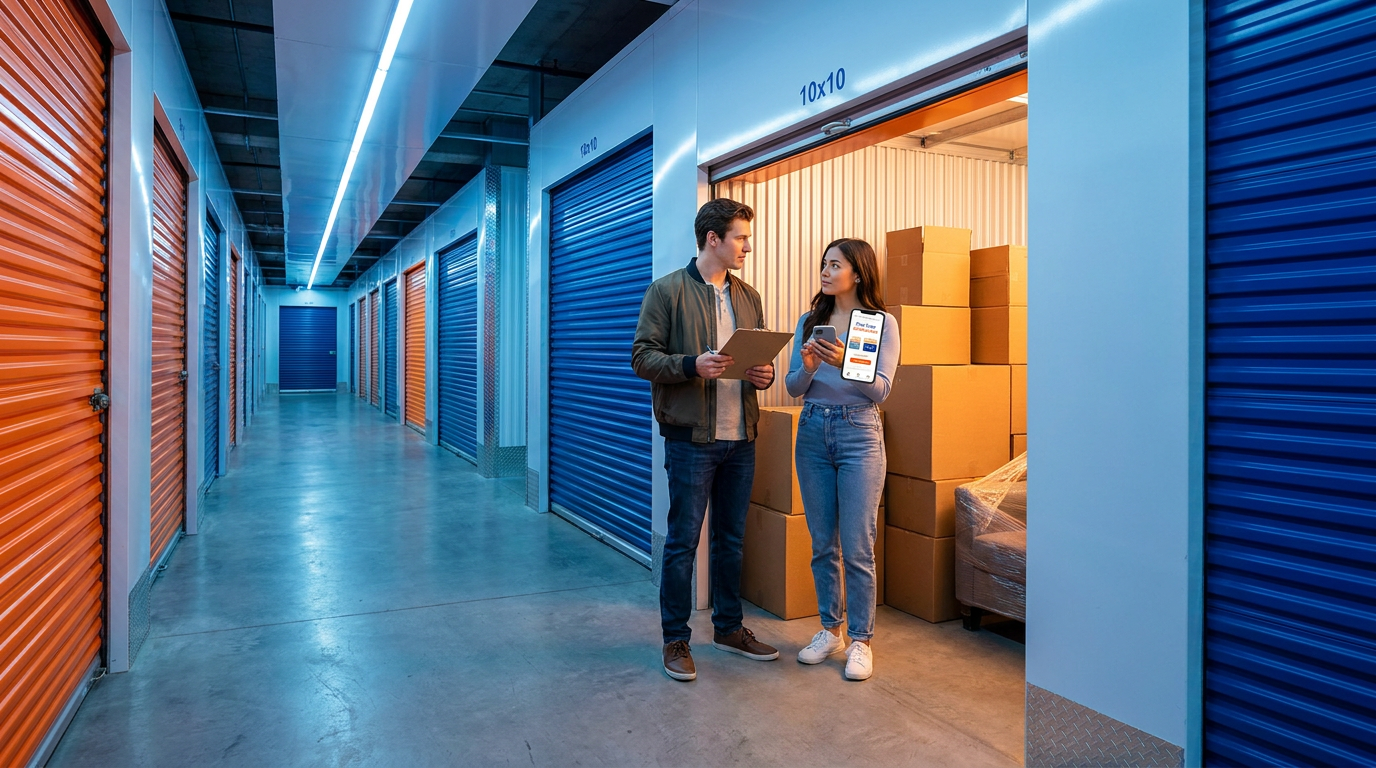
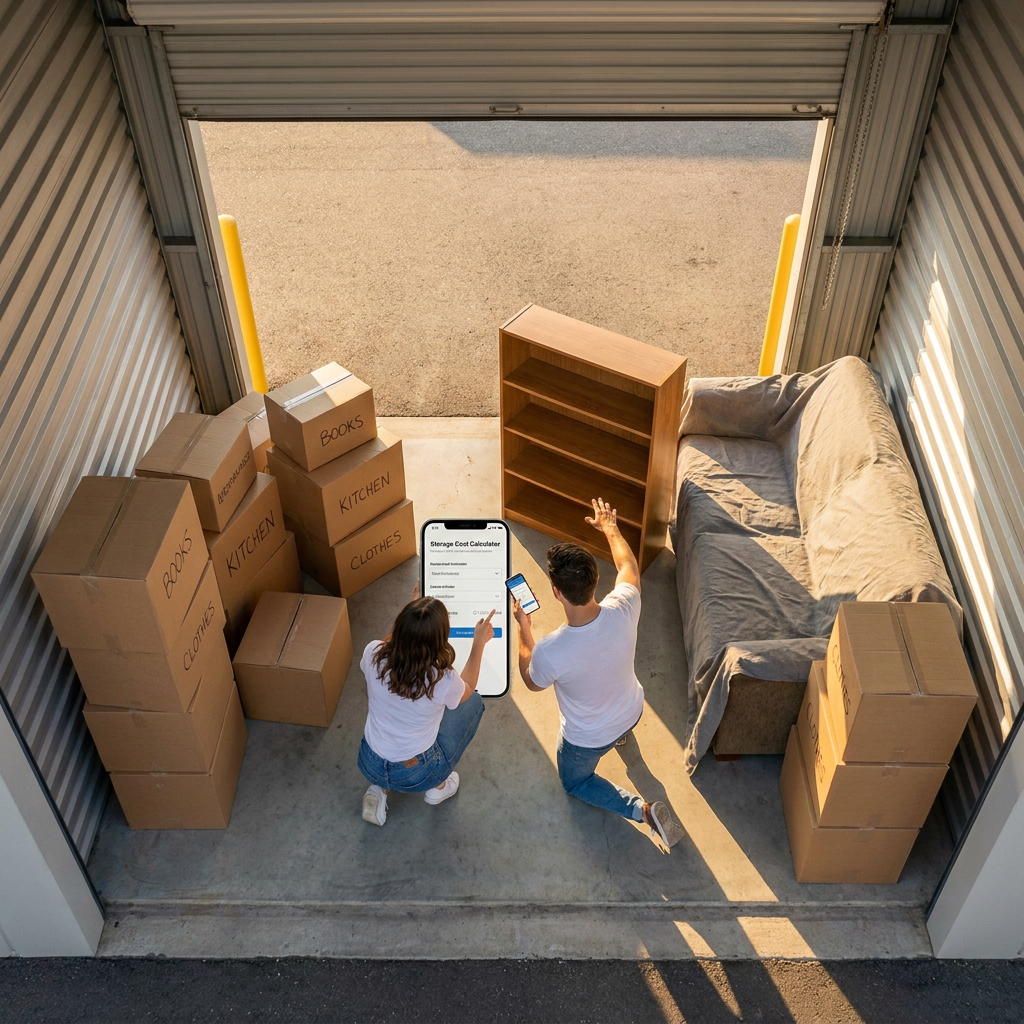
A 10x10 storage unit provides 100 square feet of floor space, roughly equivalent to a small bedroom or half a one-car garage. With standard 8-foot ceilings, total volume reaches 800 cubic feet. This size accommodates contents from a one-bedroom apartment, including a queen mattress, dresser, small sofa, dining table with chairs, and approximately 20 to 30 moving boxes.
Most renters underestimate how much fits in a 10x10 unit. Stacking boxes to ceiling height and disassembling furniture maximizes usable space. The 10x10 size represents the most popular rental option at facilities operated by Public Storage, Extra Space Storage, and CubeSmart.
How Big Is a 5x10 Storage Unit?
A 5x10 storage unit offers 50 square feet, comparable to a walk-in closet. This size holds a mattress set, dresser, and 10 to 15 boxes. College students, apartment dwellers between leases, and homeowners storing seasonal items frequently choose this size. Expect to pay $50 to $100 monthly depending on location and features.
RV and Vehicle Storage Costs in 2026
Vehicle storage pricing differs substantially from traditional self-storage units. RVs, boats, trailers, and recreational vehicles require specialized spaces with different dimensions and features. The recreational vehicle industry, tracked by the RV Industry Association, reports over 11 million households own RVs, creating strong demand for dedicated storage facilities.
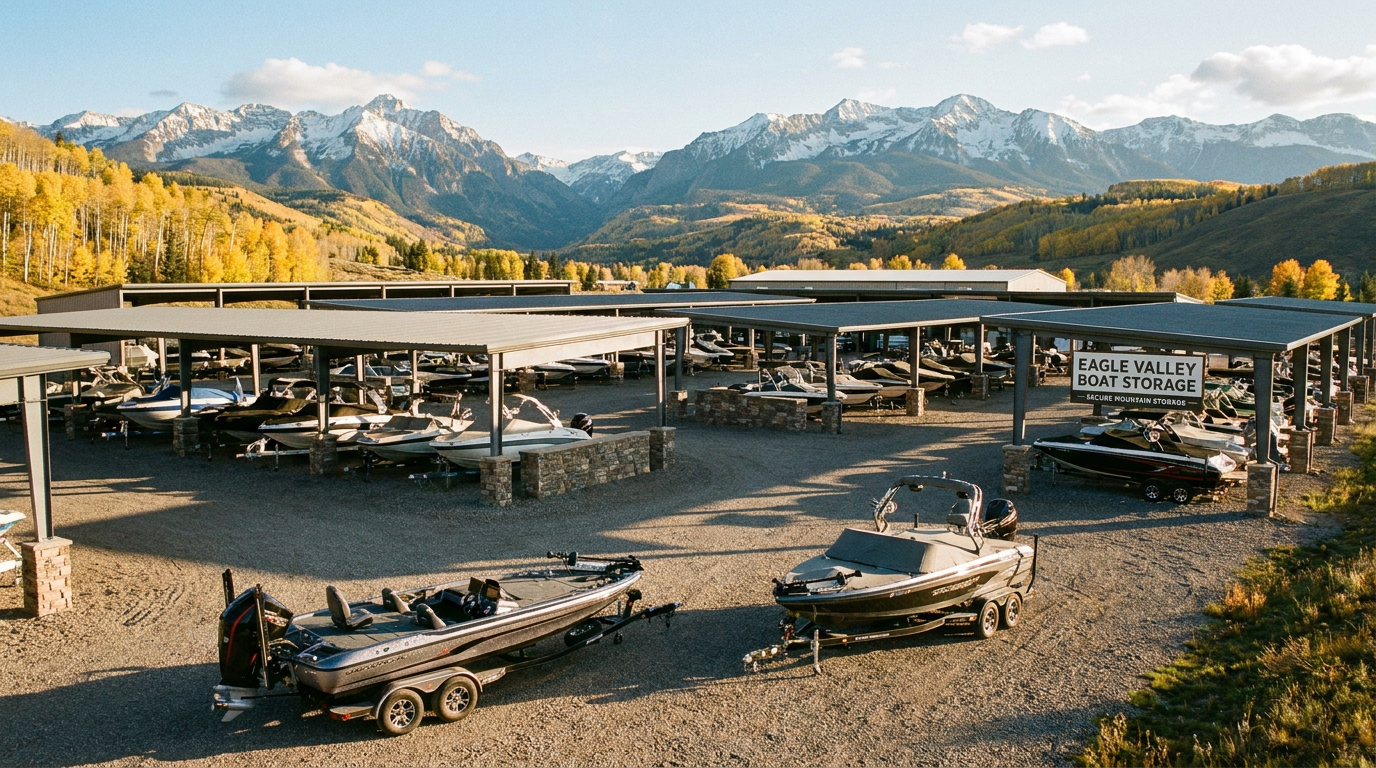
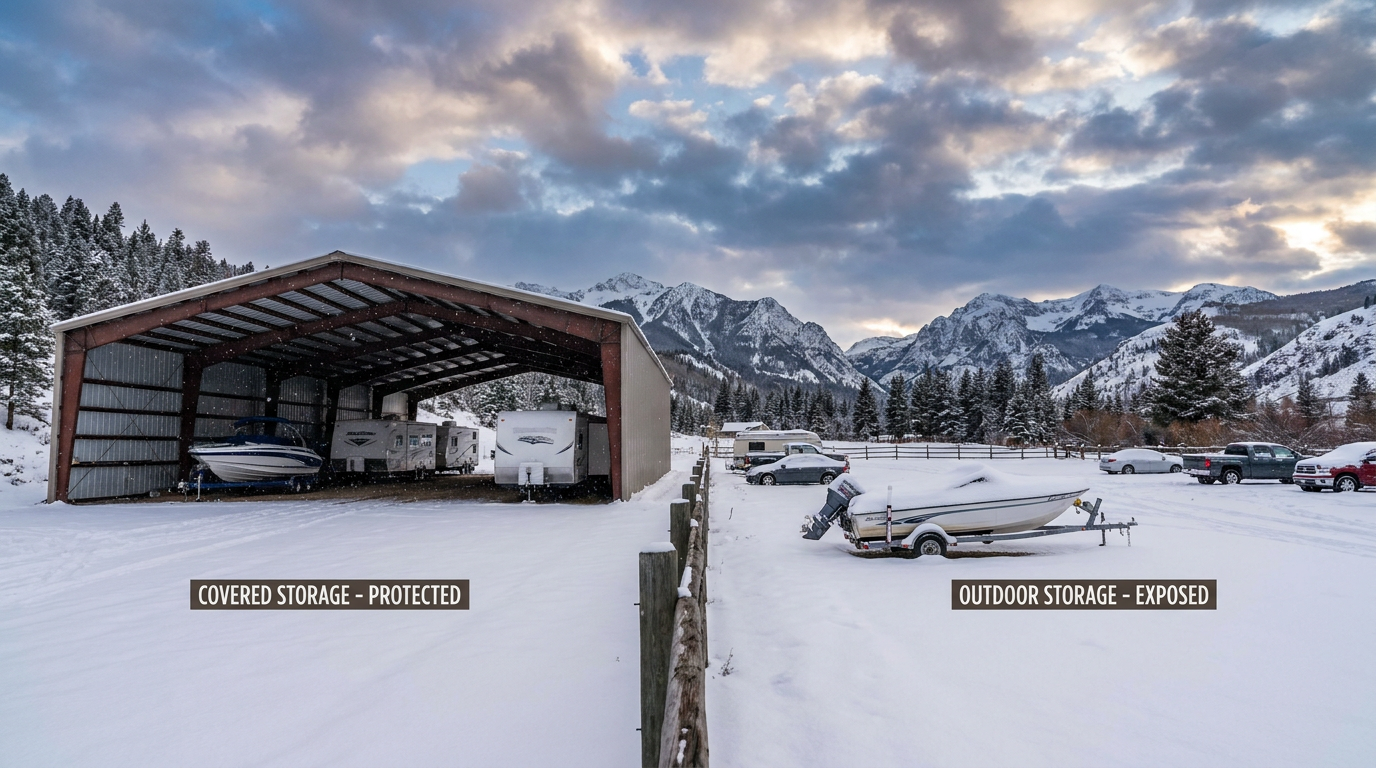
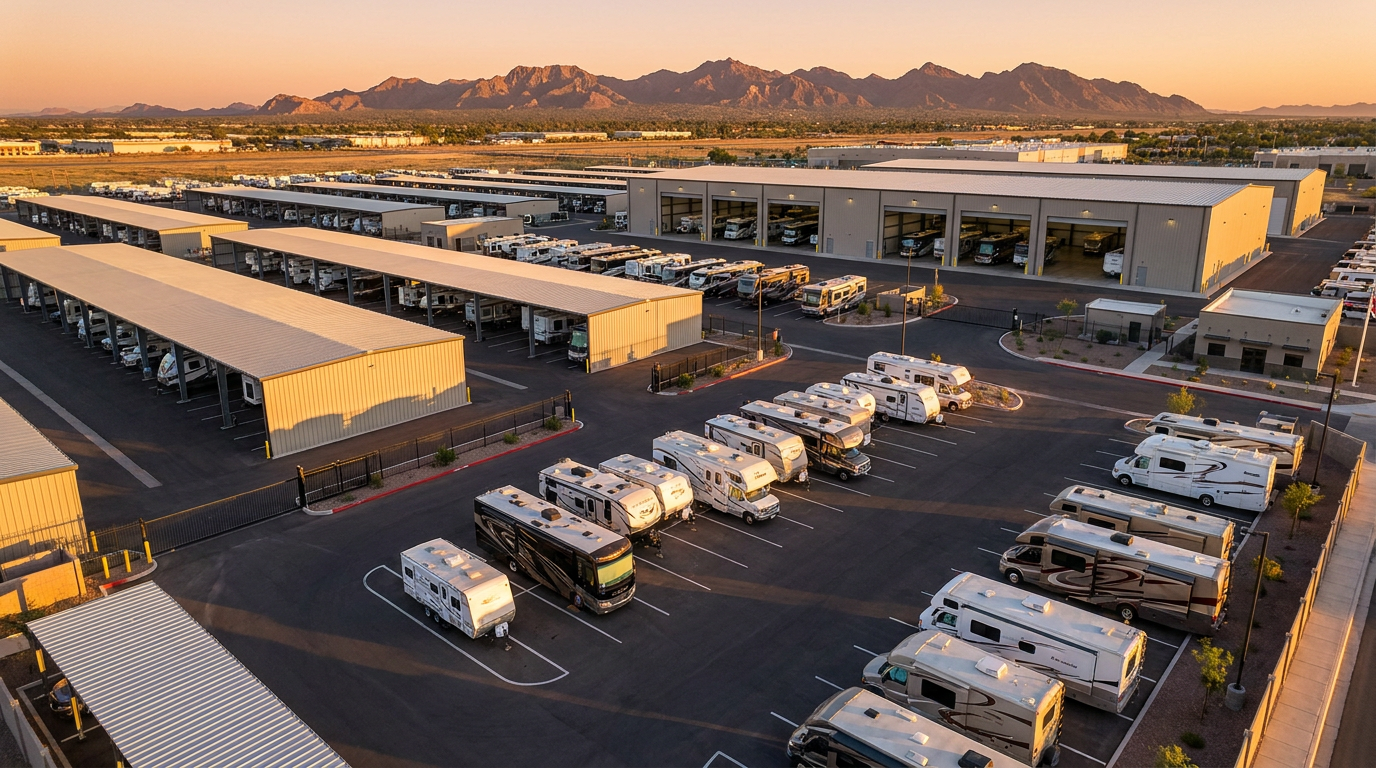
Three primary vehicle storage types exist: open parking, covered parking, and enclosed units. Each offers different protection levels at corresponding price points.
| Storage Type | Monthly Cost | Protection Level | Best For |
|---|---|---|---|
| Open Parking | $50 to $150 | Minimal; security only | Budget storage, mild climates |
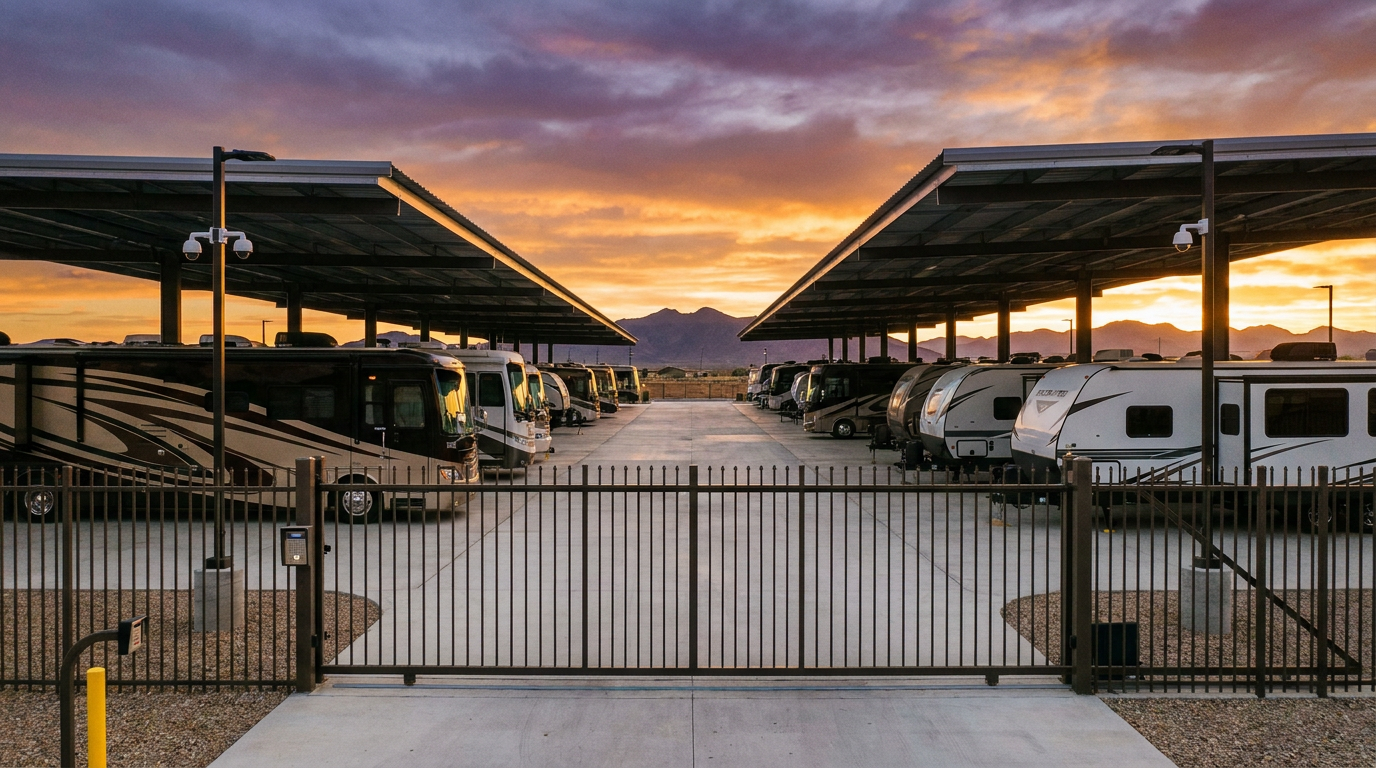
| Covered Parking | $150 to $460 | Roof protection from sun, rain, snow, hail | Harsh weather areas, UV protection |
| Enclosed Unit | $200 to $600+ | Full enclosure, climate control available | Classic cars, high-value vehicles |
Covered RV Storage Pricing by Space Size
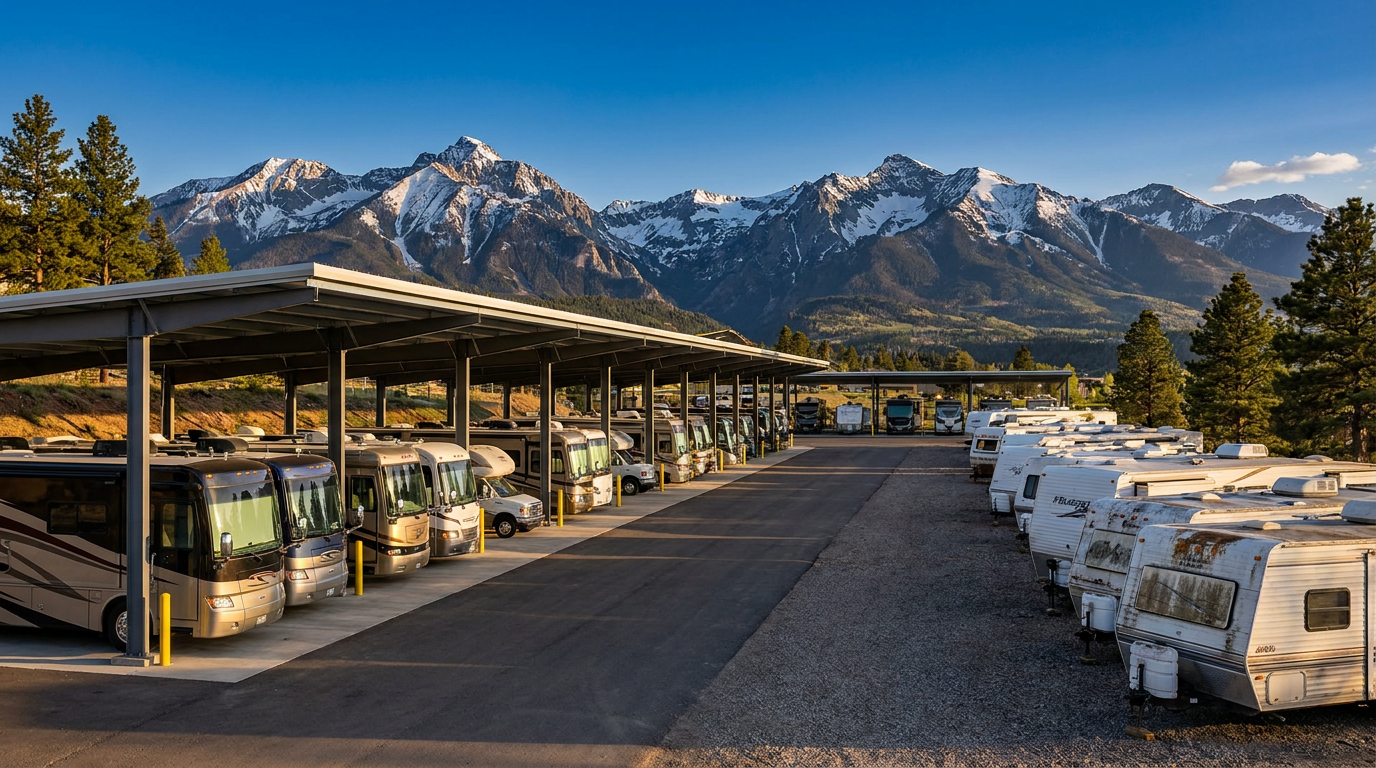
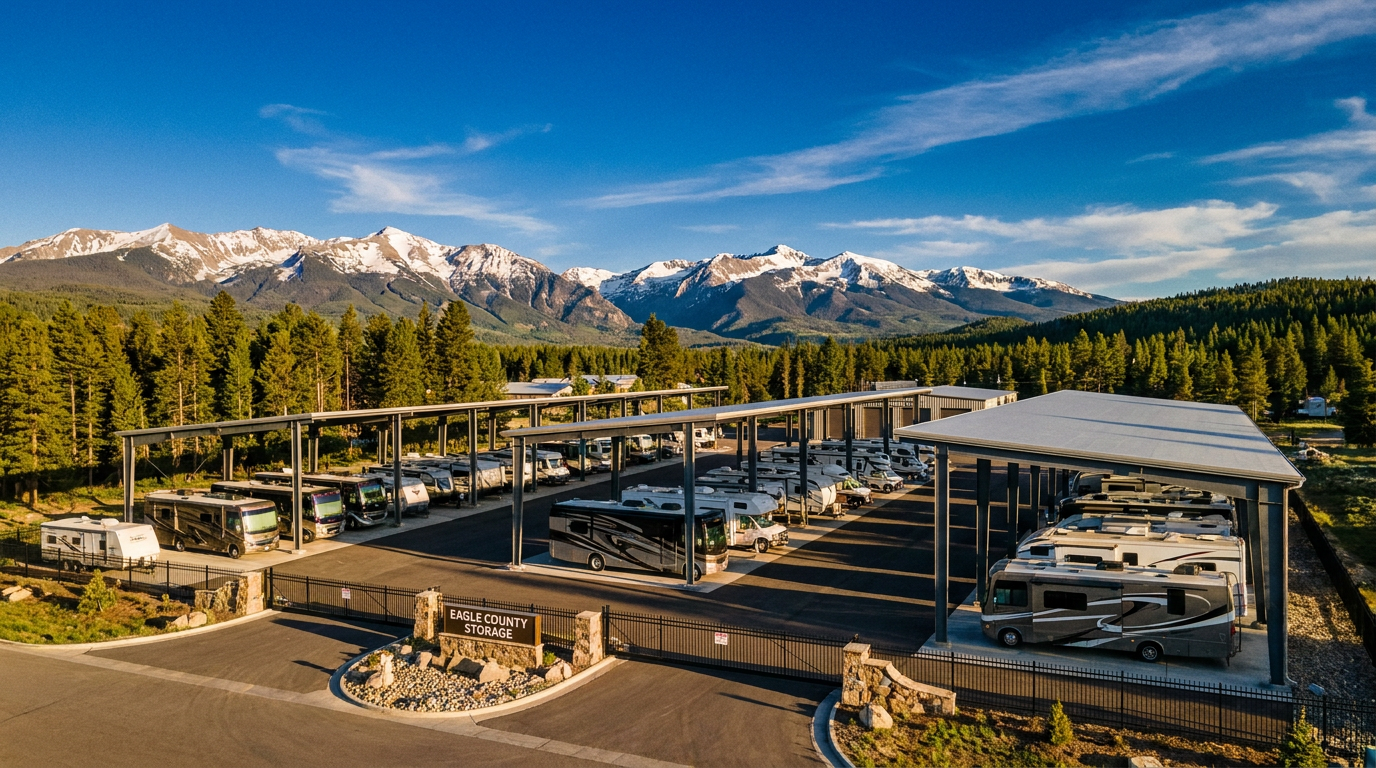
Covered storage spaces protect vehicles from weather damage while costing less than fully enclosed units. Pricing scales with vehicle length, as longer RVs and trailers require proportionally larger spaces. Facilities in mountain regions like Colorado's Vail Valley charge premium rates due to extreme weather conditions including heavy snow loads exceeding 90 pounds per square foot.
At covered RV storage facilities in Colorado, typical monthly rates by space size include:
- 12x15 covered space: $230 per month; fits motorcycles, small trailers
- 12x20 covered space: $250 per month; accommodates boats, small campers
- 12x25 covered space: $270 per month; holds mid-size travel trailers
- 12x30 covered space: $290 per month; fits Class C motorhomes
- 12x35 covered space: $320 to $360 per month; accommodates Class A motorhomes
- 12x40 covered space: $380 per month; holds large fifth wheels
- 12x45 covered space: $390 to $450 per month; fits extended RVs
- 12x50 covered space: $460 per month; accommodates the largest motorhomes
Electric hookups for battery trickle charging typically add $20 to $40 monthly. Facilities offering 50-amp service charge more than those with standard 20-amp outlets.
What Factors Affect Storage Unit Prices?
Seven primary factors determine storage unit pricing. Understanding these variables helps renters find the best value for their specific needs and budget constraints.
Location and Regional Pricing Differences
Geographic location creates the largest pricing variation. According to Extra Space Storage's 2026 pricing guide, major metropolitan areas charge 30% to 100% more than rural locations. A 10x10 unit in Manhattan costs $300 to $400 monthly, while the same size in rural Texas runs $75 to $100.
City-specific pricing examples from current 2026 data:
- New York City: $200 to $400 for 10x10 units
- San Francisco: $175 to $350 for 10x10 units
- Chicago: $89 to $175 for 10x10 units
- Las Vegas: $75 to $150 for 10x10 units
- Dallas: $70 to $130 for 10x10 units
- Phoenix: $65 to $125 for 10x10 units
Climate Control Requirements
Climate-controlled units maintain temperatures between 55 and 80 degrees Fahrenheit year-round, protecting sensitive items from extreme heat, cold, and humidity fluctuations. These units cost 25% to 50% more than standard storage, adding $25 to $75 monthly depending on size.
Items requiring climate control include wooden furniture, electronics, musical instruments, artwork, wine collections, photographs, leather goods, and important documents. In regions with temperature extremes like Colorado mountain towns or Arizona deserts, climate control prevents warping, cracking, mold growth, and electronic damage.
Unit Features and Amenities
Additional features increase monthly costs but provide convenience and protection. Drive-up access units allow vehicle loading directly at the unit door, typically costing 10% to 15% more than interior hallway units. First-floor units command slight premiums over upper-level spaces requiring elevator use.
Security features vary by facility. Basic security includes perimeter fencing and gate codes. Premium facilities offer individual unit alarms, 24-hour video surveillance with UHD cameras, on-site management, and biometric access. Enhanced security adds $10 to $30 monthly.
Rental Duration and Lease Terms
Month-to-month leases provide flexibility but often cost 5% to 10% more than long-term commitments. Some facilities offer discounts for 6-month or 12-month prepayment, reducing effective monthly rates by 10% to 20%. However, prepaid leases typically lack refund provisions if circumstances change.
Facilities like Eagle Canopy RV Storage offer month-to-month leases with no deposit required, providing flexibility without upfront cost penalties. This arrangement benefits seasonal users who need storage for 3 to 6 months rather than year-round.
Insurance and Protection Plans
Storage facilities require renters to maintain insurance coverage on stored items. Options include using existing homeowners or renters insurance policies, purchasing facility-offered protection plans, or obtaining standalone storage insurance from providers like SafeLease.
Facility protection plans typically cost $10 to $30 monthly for $2,000 to $10,000 in coverage. These plans cover theft, fire, water damage, and certain weather events. Review policy exclusions carefully, as flood damage, pest infestation, and mold often require separate coverage. Learn more about storage tenant protection options before signing a lease.
How Much Is a Storage Unit Per Month in Major Cities?
Urban storage costs reflect local real estate values, population density, and facility availability. The following breakdown covers pricing in the 10 largest U.S. metropolitan areas based on 2026 market data.
How Much Is a Storage Unit in Chicago Per Month?
Chicago storage units range from $42 for small 5x5 spaces to $367 for large 10x30 units, according to Extra Space Storage's Chicago pricing data. The citywide average for a 10x10 unit falls between $89 and $175 monthly. Neighborhoods like Lincoln Park and River North charge premium rates, while suburban locations in Schaumburg and Naperville offer 20% to 30% lower pricing.
Pricing in Other Major Markets
Los Angeles storage averages $125 to $250 for 10x10 units, with Hollywood and Santa Monica commanding the highest rates. Miami ranges from $90 to $200, with climate control strongly recommended due to humidity levels averaging 75% annually. Denver pricing falls between $80 and $160, though mountain communities like Vail and Aspen charge significantly more due to limited facility availability and harsh winter conditions.
Is Paying for Storage Worth It?
Storage unit value depends on comparing rental costs against item replacement value, alternative storage options, and personal circumstances. Financial advisors generally recommend storage when monthly costs remain below 5% of stored item values annually.
When Storage Makes Financial Sense
Storage proves worthwhile during life transitions including home sales, relocations, divorces, estate settlements, and extended travel. Military families using the Permanent Change of Station process frequently need 3 to 12 months of storage between assignments. College students benefit from summer storage rather than transporting belongings home.
Business owners use storage for inventory overflow, seasonal merchandise, equipment, and archived records. The U.S. Small Business Administration notes that commercial storage costs qualify as deductible business expenses when used for legitimate business purposes.
When Storage Costs Exceed Value
Long-term storage of low-value items rarely makes financial sense. Reddit communities like r/declutter frequently share cautionary tales of paying $10,000 or more over several years to store items worth $2,000 to $3,000. Before renting storage, calculate the total annual cost and compare against replacement costs for stored items.
Warning signs that storage may not be worthwhile:
- Stored items have been untouched for over 12 months
- Annual storage costs exceed 25% of item replacement value
- Items stored are readily available for purchase if needed later
- Emotional attachment rather than practical need drives the decision
How to Save Money on Storage Units
Strategic approaches reduce storage costs by 20% to 50% compared to standard pricing. These methods work across facility types from national chains to independent operators.
Take Advantage of First-Month Specials
National chains including Public Storage, Extra Space Storage, CubeSmart, and Life Storage routinely offer first-month discounts of 40% to 50%. Some facilities advertise "first month free" promotions during slow seasons, typically January through March and September through November.
Comparison shopping through aggregator sites like SpareFoot, StorageCafe, and Neighbor.com reveals current promotions across multiple facilities. These platforms often negotiate exclusive discounts unavailable through direct facility contact.
Choose the Right Size
Oversized units waste money monthly. Use facility size guides and online calculators to estimate actual space requirements. Most facilities offer free consultations to help determine appropriate sizing. A 10x10 unit costs $89 to $175 monthly, while a 5x10 runs $50 to $100, representing potential savings of $40 to $75 monthly by choosing correctly.
Visit the frequently asked questions page at your chosen facility to understand sizing recommendations before committing to a space.
Consider Location Trade-offs
Facilities 10 to 15 miles from city centers often charge 20% to 30% less than downtown locations. If accessing stored items infrequently, the drive time trade-off may justify substantial monthly savings. Rural facilities near major highways provide good accessibility at lower rates.
Negotiate and Ask Questions
Independent storage facilities have more pricing flexibility than corporate chains. Ask about military discounts (typically 10%), senior discounts (5% to 10%), student rates, and referral credits. Inquire about rate lock guarantees to prevent unexpected increases after move-in.
Storage Auctions: What Happens to Unpaid Units
Storage facilities auction contents of units with unpaid rent, typically after 30 to 90 days of delinquency depending on state lien laws. Platforms like StorageTreasures and Lockerfox list upcoming auctions nationwide, attracting bargain hunters and resellers.
Auction buyers bid on units sight-unseen or with limited visual inspection. Winning bids range from $5 to $500 for most units, though exceptional contents occasionally fetch thousands. The storage auction industry gained mainstream attention through television shows like "Storage Wars" on A&E Network.
For renters, understanding auction timelines emphasizes the importance of maintaining payments or properly vacating units. Most facilities work with renters facing temporary hardship, offering payment plans or grace periods before initiating lien proceedings.
Building vs. Renting Storage: Cost Comparison
Property owners sometimes consider building personal storage structures rather than renting commercial units. According to Alan's Factory Outlet, prefabricated storage sheds cost $2,000 to $15,000 depending on size and materials, while custom-built structures run $5,000 to $30,000 or more.
The break-even calculation compares building costs against rental expenses over time. A $6,000 storage shed equals roughly 50 months of $120 monthly rental payments. However, building costs exclude land, permits, foundation work, and ongoing maintenance. Renters gain flexibility to change sizes, relocate, or discontinue storage without property obligations.
Specialized Storage Considerations
Vehicle and RV Storage Requirements
Storing RVs, boats, and recreational vehicles requires attention to battery maintenance, tire protection, and weather exposure. Covered storage with electric hookups allows trickle charging to maintain battery health during extended storage periods. Facilities in harsh weather regions like Colorado's mountain communities provide essential protection from snow loads, hail damage, and intense UV radiation at high elevations.
Before storing vehicles long-term, consider professional RV winterization services to protect plumbing systems, batteries, and mechanical components from freeze damage.
Climate Considerations by Region
Regional climate dramatically affects storage requirements and associated costs. Desert climates like Phoenix and Las Vegas subject stored items to extreme heat exceeding 110 degrees Fahrenheit, requiring climate control for electronics and temperature-sensitive materials. Humid coastal areas like Miami and Houston necessitate climate control to prevent mold and mildew growth.
Mountain regions present unique challenges. Colorado facilities must withstand snow loads of 90 pounds per square foot or more, requiring heavy-duty steel construction for covered storage. UV radiation at elevations above 6,500 feet accelerates material degradation, making covered or enclosed storage essential for vehicle paint, rubber seals, and plastic components.
Questions to Ask Before Renting Storage
Thorough evaluation prevents surprises after signing a lease. Ask these questions during facility tours or phone consultations:
- What is the total monthly cost including all fees? Some facilities add administrative fees, insurance requirements, or mandatory protection plans not included in advertised rates.
- What are the access hours? Standard facilities offer 6 AM to 9 PM access, while premium facilities provide 24/7 entry with individualized gate codes.
- What security measures are in place? Look for perimeter fencing, gated entry, video surveillance, and adequate lighting throughout the property.
- Can rates increase during the lease term? Many facilities include rate adjustment clauses allowing increases with 30 days notice.
- What is the move-out process and notice requirement? Most require 10 to 30 days written notice to avoid additional charges.
- Is the facility paved or gravel? Paved surfaces protect vehicle tires and reduce dust infiltration into stored items.
Frequently Asked Questions About Storage Costs
How much can you put in a 10x10 storage unit?
A 10x10 storage unit holds contents from a one-bedroom apartment or approximately 800 cubic feet of belongings. This includes a queen bed, dresser, small sofa, dining table with four chairs, and 20 to 30 standard moving boxes. Disassembling furniture and stacking boxes vertically maximizes available space.
How much is a storage unit per month?
Storage units cost $40 to $370 per month depending on size and location. The national average for all unit sizes is $89.09 monthly as of May 2026. Small 5x5 units start around $40 to $75, mid-size 10x10 units run $89 to $175, and large 10x30 units cost $200 to $370.
What is the cheapest way to store belongings?
The cheapest storage options include renting the smallest adequate unit size, choosing facilities 10 to 15 miles from city centers, taking advantage of first-month promotions, and considering month-to-month leases at independent facilities rather than national chains. Sharing a larger unit with trusted friends or family members also reduces per-person costs.
Do storage unit prices go up over time?
Yes, most storage facilities increase rates periodically, typically every 6 to 12 months. Industry data suggests average annual increases of 5% to 10%. Some facilities offer rate lock guarantees for specified periods. Ask about rate policies before signing and consider facilities with transparent pricing commitments.
Is climate-controlled storage necessary?
Climate control becomes necessary when storing temperature-sensitive items including wooden furniture, electronics, musical instruments, photographs, artwork, wine, leather goods, and important documents. If local temperatures regularly exceed 90 degrees Fahrenheit or drop below 32 degrees Fahrenheit, climate control prevents damage from extreme conditions and humidity fluctuations.
|