G
ypsum, Colorado offers the most practical RV storage location for Vail and Eagle County travelers, with facilities positioned 20 to 30 minutes from Vail Village and direct access to Interstate 70 and Highway 6. Covered storage spaces with electric hookups range from $150 to $460 per month depending on size, while open parking starts around $150 monthly for basic 10x20 spots.
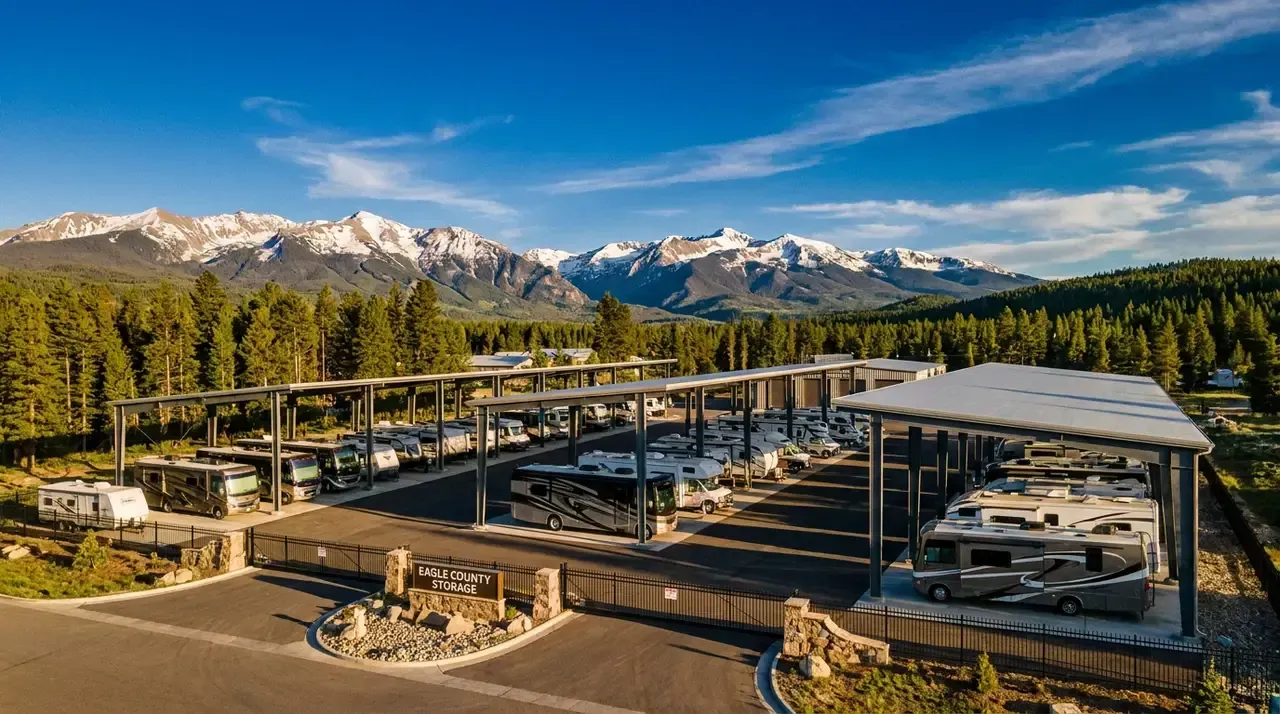
Why Gypsum Is the Storage Hub for Eagle County RV Owners
Gypsum sits at the geographic center of Eagle County's RV storage market, positioned along the I-70 corridor between Edwards to the east and Eagle to the west. The town's location next to Eagle County Regional Airport
makes it ideal for seasonal residents who fly in and need immediate access to their stored vehicles.
According to the Town of Vail, parking restrictions in the Vail Village area prohibit RV overnight parking on most public streets. This regulation pushes RV owners toward dedicated storage facilities in nearby communities. Gypsum's commercial zoning supports larger vehicle storage operations that cannot exist within Vail's residential and resort zones.
The elevation difference matters for storage conditions. Gypsum sits at approximately 6,500 feet, while Vail Village reaches 8,150 feet. This 1,650 foot difference means Gypsum receives 15 to 20 percent less annual snowfall while still experiencing Colorado's intense UV radiation that degrades RV roofs and seals without covered protection.
Storage Options Comparison: Covered vs. Open Parking
The choice between covered and open RV storage in Eagle County depends on your vehicle's value, storage duration, and budget constraints. Colorado's mountain weather creates specific risks that influence this decision significantly.
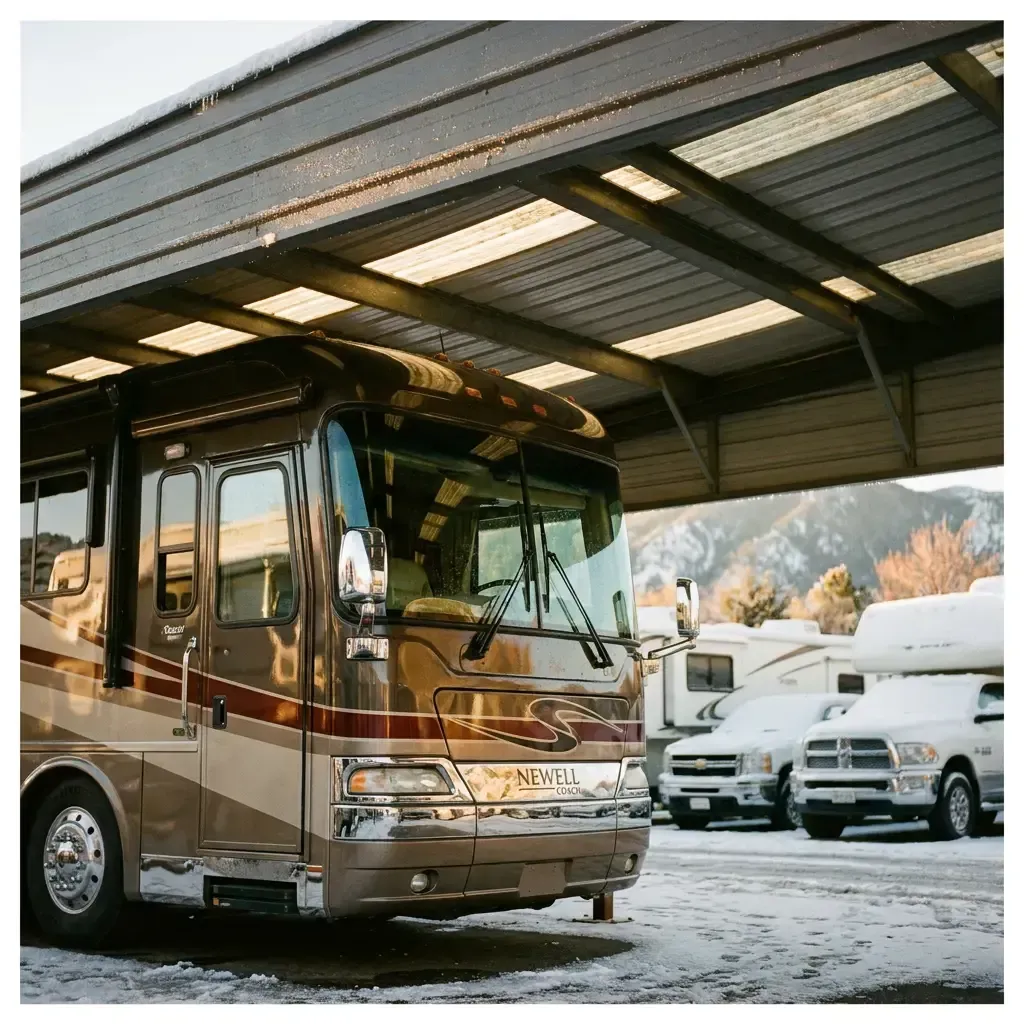
Heavy-duty steel canopy structures at covered RV storage facilities in Colorado
are engineered to handle the region's snow loads. A 2024 Colorado State University Extension report documented that Eagle County receives an average of 150 inches of snow annually, with individual storms capable of depositing 24 inches or more in 48 hours.
Space Sizes and Pricing for Different RV Types
Selecting the correct storage space size prevents overpaying for unused square footage while ensuring adequate clearance for your specific vehicle. Most facilities in the Gypsum area offer spaces ranging from compact 12x15 configurations to extended 12x50 spots for the largest Class A diesel pushers.
Compact Spaces: 12x15 to 12x20 Feet
These smaller spaces suit Class B camper vans, teardrop trailers, and pop-up campers. Pricing ranges from $230 to $250 per month for covered options with 20amp electrical service. A Mercedes Sprinter-based Class B typically measures 19 to 24 feet in length, fitting comfortably in a 12x20 space with room for access.
Mid-Size Spaces: 12x25 to 12x35 Feet
Class C motorhomes and travel trailers between 24 and 32 feet require mid-size storage. Monthly rates fall between $270 and $360 depending on length and electrical amperage. The 50amp option at $360 per month serves RVs with residential refrigerators or multiple air conditioning units that benefit from higher-capacity charging.
Large Spaces: 12x40 to 12x50 Feet
Class A motorhomes, fifth wheels over 35 feet, and toy haulers need the largest available spaces. Expect to pay $380 to $460 monthly for these premium spots. A 45-foot Class A diesel pusher with towed vehicle requires at minimum a 12x50 space for safe maneuvering during entry and exit.
For detailed guidance on matching your RV to the right space, the frequently asked questions page
covers sizing considerations and the rental process.
Critical Features for Colorado Mountain Storage
Storage facilities in the Vail Valley must address environmental challenges that coastal or low-elevation facilities never encounter. These features separate adequate storage from protection that actually preserves your RV's condition and value.
Electric Hookups for Battery Maintenance
Lead-acid and lithium RV batteries lose charge during extended storage, with cold temperatures accelerating discharge rates. A fully charged 12-volt lead-acid battery freezes at approximately minus 75 degrees Fahrenheit, while a 50 percent discharged battery can freeze at just 10 degrees Fahrenheit, according to StorageMart's RV storage guidelines.
Trickle chargers connected to 20amp outlets maintain batteries at optimal charge levels throughout winter storage. This $20 monthly add-on prevents the $200 to $800 cost of replacing damaged battery banks. Facilities offering 50amp service support RVs with multiple battery systems or those requiring periodic air conditioning operation to prevent interior mold growth.
Paved Surfaces vs. Gravel or Dirt
Fully paved asphalt facilities prevent tire flat-spotting and undercarriage damage that occurs on uneven surfaces. Gravel lots allow moisture accumulation beneath parked vehicles, accelerating rust formation on frames and suspension components. The weight of a 30,000-pound Class A motorhome can sink into gravel during spring thaw cycles, creating extraction challenges.
Security Infrastructure
Eagle County's proximity to I-70 creates both convenience and security considerations. Effective storage facilities implement multiple security layers including individualized gate access codes, perimeter fencing with barbed wire deterrents, and comprehensive camera coverage. Look for facilities advertising 16 or more UHD security cameras with LED flood lighting throughout the property.
Seasonal Considerations for Vail Valley RV Storage
The Vail Valley's distinct seasons create specific storage timing and preparation requirements that differ from year-round temperate climates.
Winter Storage: November Through April
Before storing your RV for winter, proper winterization prevents catastrophic freeze damage to plumbing systems. Water expands approximately 9 percent when freezing, enough force to crack pipes, rupture holding tanks, and destroy water heaters. Professional RV winterization services in the Vail Valley
typically cost $150 to $300 and include antifreeze treatment of all water lines, water heater bypass, and holding tank drainage.
Empty your tanks before storage at the Edwards RV dump station, located approximately 15 minutes from most Gypsum storage facilities. Leaving waste in tanks during freezing temperatures creates sanitation system damage and persistent odor issues.
Summer Storage: Between Camping Trips
Summer storage between trips to destinations like Dillon Reservoir
or Tiger Run Resort near Breckenridge
requires different considerations. UV radiation at 6,500 feet elevation is approximately 25 percent more intense than at sea level, according to the National Oceanic and Atmospheric Administration. This intensity degrades rubber seals, fades exterior graphics, and damages roof membranes on uncovered RVs within 2 to 3 seasons.
Covered storage blocks direct UV exposure, extending the lifespan of exterior components by 40 to 60 percent compared to open-air parking. This protection proves especially valuable for RVs with EPDM rubber roofs, which require replacement at $300 to $500 per linear foot when UV damage becomes severe.
Location Advantages: Proximity to Key Destinations
Strategic storage location reduces travel time to popular camping destinations and simplifies trip logistics for both residents and visitors.
The proximity to Costco provides practical advantages for RV owners. Propane refills, bulk groceries, and fuel are available immediately before or after accessing your stored vehicle. This consolidation eliminates multiple stops across the valley when preparing for camping trips.
Month-to-Month vs. Long-Term Lease Considerations
Storage lease structures in Eagle County vary significantly between facilities, with implications for flexibility and total cost over time.
Month-to-month leases suit seasonal residents and occasional RV users who may sell their vehicle, relocate, or change travel patterns. These arrangements typically require no deposit and allow termination with 30 days notice. The trade-off is slightly higher monthly rates compared to annual commitments at some facilities.
Annual leases sometimes offer 5 to 10 percent discounts but lock owners into 12-month commitments regardless of changing circumstances. For RV owners uncertain about their long-term plans, the flexibility premium of month-to-month arrangements often proves worthwhile.
Eagle Canopy RV Storage
operates exclusively on month-to-month terms with no deposit required, allowing immediate move-in through their 60-second online rental process. This model serves the transient nature of Vail Valley's seasonal population effectively.
Insurance and Protection Plan Options
Standard auto insurance policies often exclude or limit coverage for RVs in storage. Verify your existing coverage before assuming protection exists during extended storage periods.
Storage facility tenant protection plans
fill coverage gaps at costs ranging from $15 to $50 monthly depending on coverage limits. These plans typically cover burglary, fire, water damage, and certain weather events not addressed by standard policies. SafeLease and similar programs offer protection specifically designed for stored vehicles.
Comprehensive RV insurance policies from Progressive, Good Sam, and National General include storage coverage but require accurate disclosure of storage location and duration. Failing to update your insurer about extended storage can void claims during covered events.
Preparing Your RV for Storage: Essential Steps
Proper preparation before storage prevents the majority of damage and maintenance issues that occur during idle periods.
Exterior Preparation
Wash and wax the exterior to remove road salts and contaminants that cause oxidation during storage. Inspect and reseal any cracked caulking around windows, vents, and roof penetrations. Cover exterior vents with mesh screens to prevent rodent entry while maintaining necessary airflow.
Interior Preparation
Remove all perishable food items and clean refrigerator and freezer compartments thoroughly. Leave refrigerator doors propped open to prevent mold and mildew growth. Place moisture absorbers throughout the interior, replacing them monthly during humid seasons.
Mechanical Preparation
Fill the fuel tank to 90 percent capacity and add fuel stabilizer to prevent ethanol separation and varnish formation. Change engine oil before storage to remove acidic combustion byproducts that damage bearings during idle periods. Inflate tires to maximum sidewall pressure to minimize flat-spotting.
For comprehensive winterization and de-winterization services, professional RV services in Eagle County
handle these preparations with proper equipment and experience specific to Colorado's climate challenges.
Frequently Asked Questions About RV Storage Near Vail
How far is Gypsum storage from Vail ski resorts?
Gypsum storage facilities sit approximately 25 miles west of Vail Village via Interstate 70, requiring 30 minutes of drive time under normal conditions. During peak ski season weekends, eastbound I-70 traffic can extend this to 45 to 60 minutes. Accessing storage during weekday mornings or after 7 PM on weekends avoids the worst congestion.
Can I access my stored RV at any time?
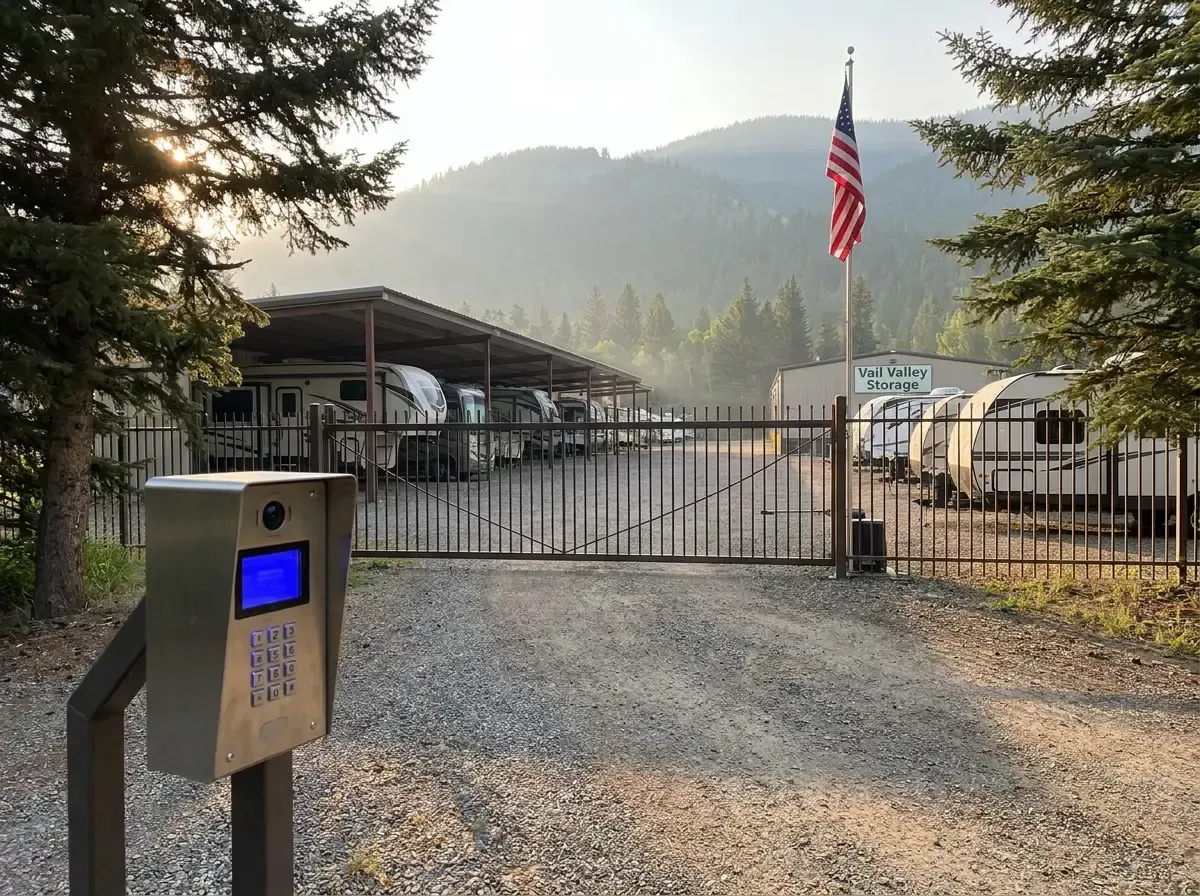
Most Gypsum facilities offer 24/7 gated access with individualized entry codes. This around-the-clock availability accommodates early morning departures for camping trips and late-night returns from extended travels. Verify access policies before signing a lease, as some budget facilities restrict hours to daylight only.
What size storage space do I need for my RV?
Measure your RV's total length including hitch, spare tire carriers, and any rear-mounted accessories. Add 3 to 5 feet to this measurement for comfortable maneuvering clearance. A 28-foot travel trailer typically requires a 12x35 space, while a 40-foot Class A motorhome needs at minimum a 12x45 space.
Do I need reservations for national park RV camping near Vail?
Rocky Mountain National Park and most Colorado national forest campgrounds require reservations during peak season from Memorial Day through Labor Day. Our 2025 guide to national park RV reservations
details booking windows and strategies for securing popular campsites.
Is covered storage worth the extra cost?
For RVs valued over $50,000 or those stored longer than 6 months annually, covered storage typically pays for itself through reduced maintenance and extended component lifespan. The $80 to $150 monthly premium over open parking prevents $2,000 to $5,000 in UV damage, hail repair, and snow load stress over a typical 5-year ownership period.
Store between Vail Valley trips
Covered RV storage near Vail, Edwards & Avon at Eagle Canopy RV Storage in Gypsum — canopy + hookups, not airport unit parking.
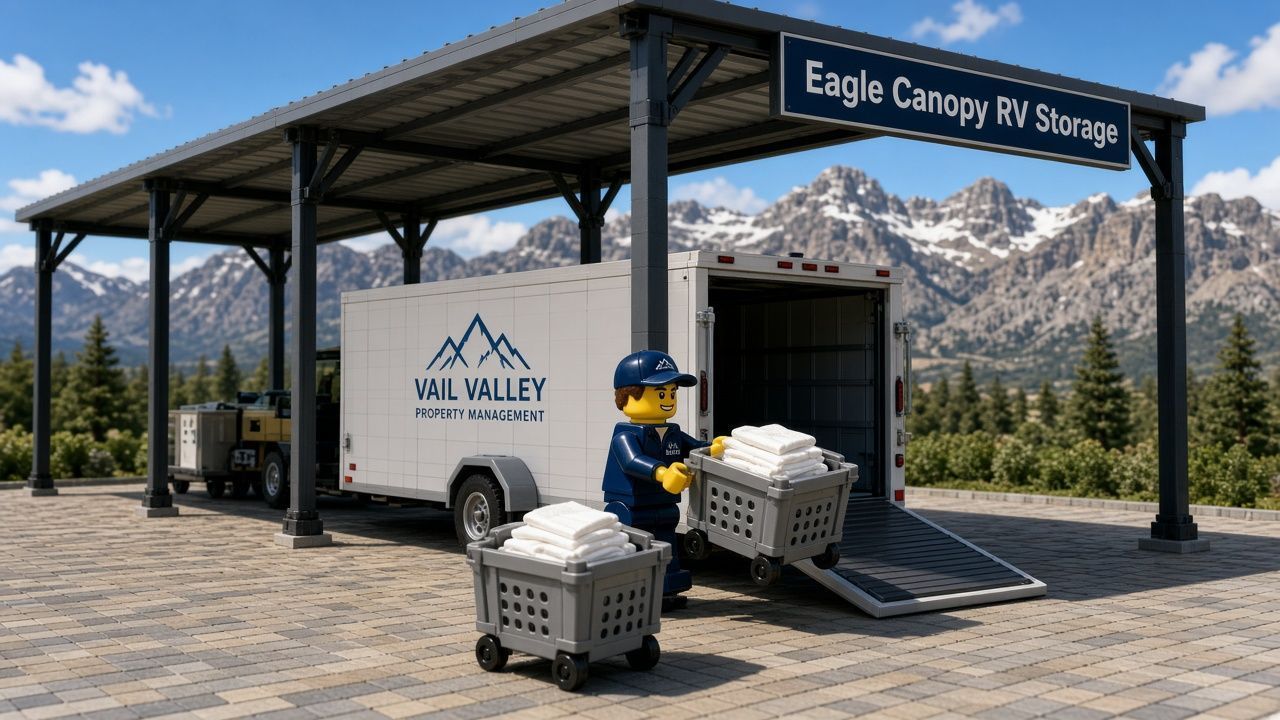
Vail Valley property managers: park your STR turnover trailer, owner RV or boat under covered canopies at Eagle Canopy RV Storage in Gypsum.
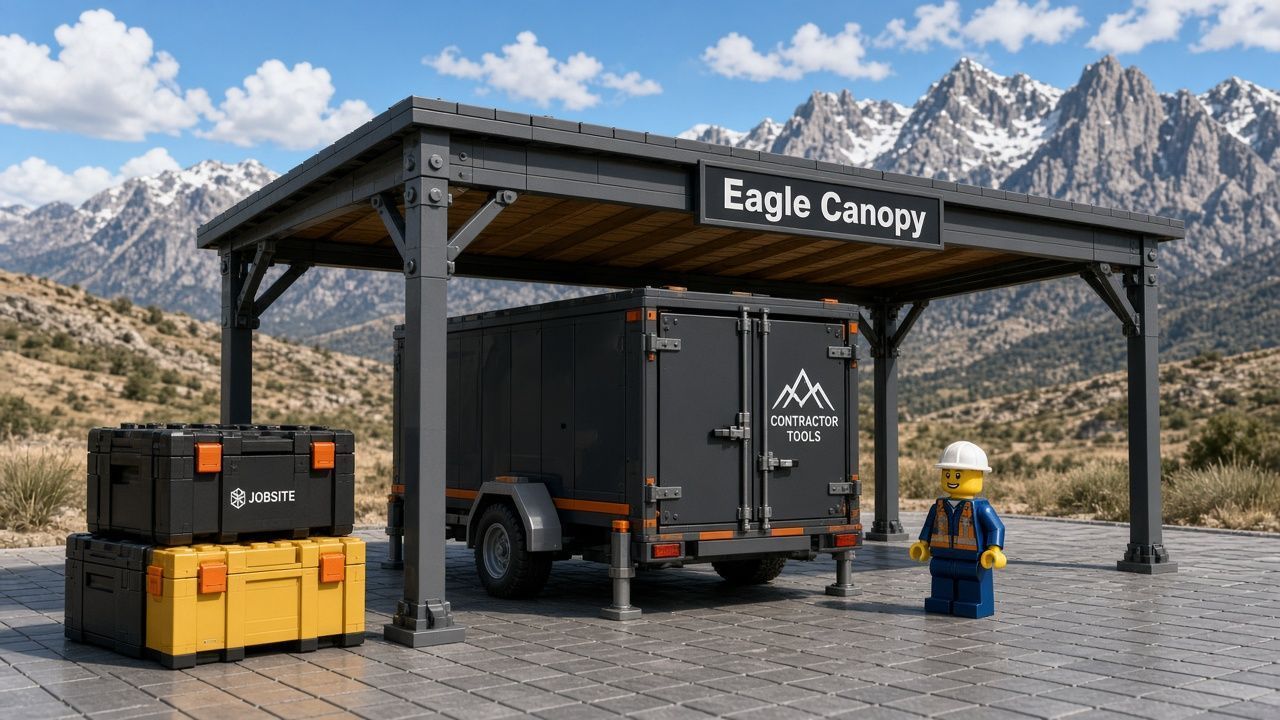
Need contractor trailer storage in Eagle County? Park tool trailers under steel canopies at Eagle Canopy in Gypsum. Call for a quote.
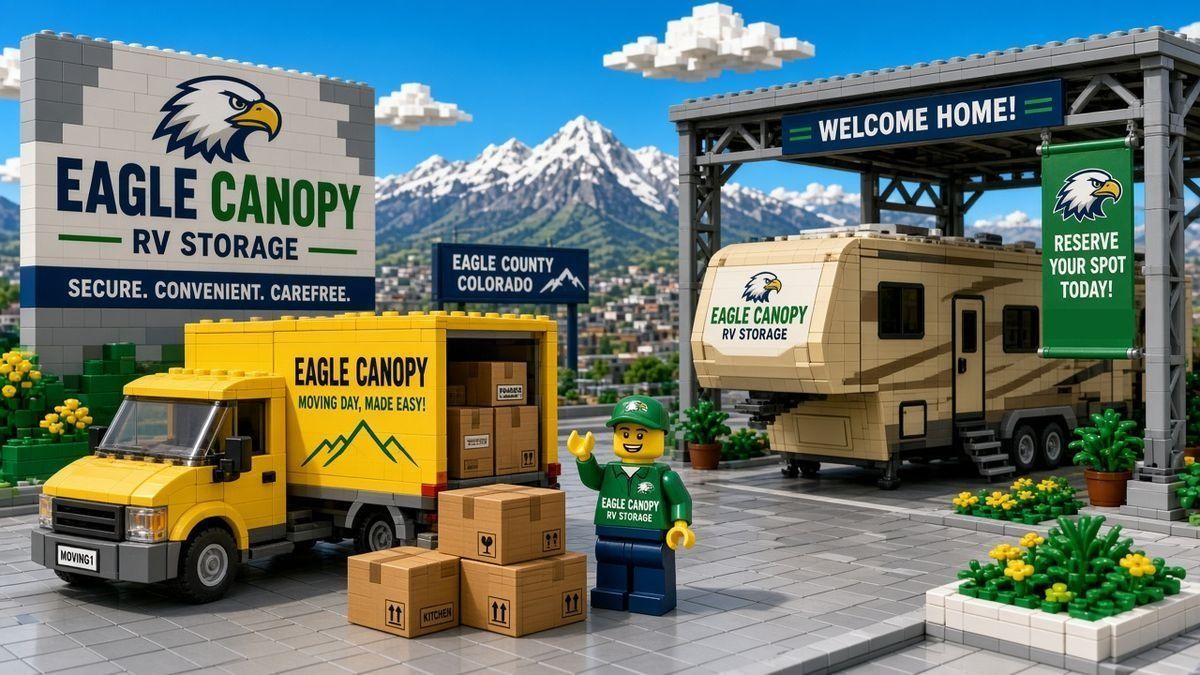
Moving to Eagle County with an RV, fifth wheel, or boat? See how covered parking at Eagle Canopy RV Storage in Gypsum bridges HOA limits and housing gaps.
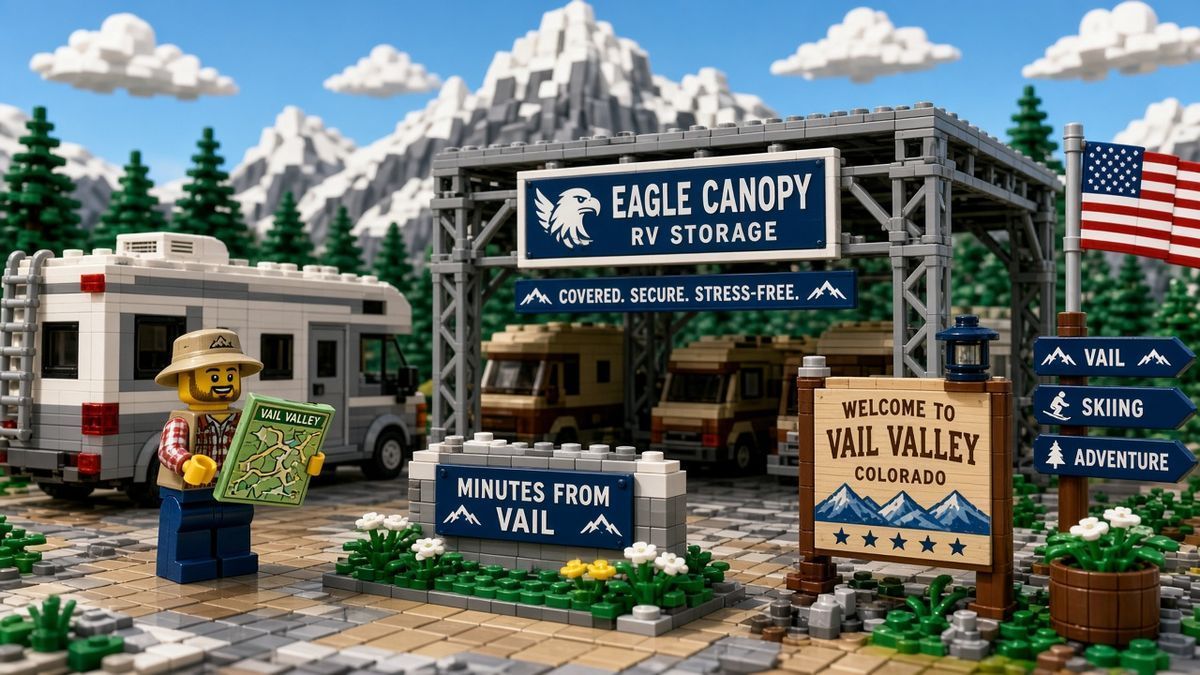
Drive times from Vail, Edwards, and Avon to Eagle Canopy RV Storage on Lindbergh Dr in Gypsum, with winter I-70 notes and soft rent-online next steps.

Compare Gypsum covered RV storage at Eagle Canopy RV Storage vs hauling to Denver. I-70 drive times, Vail Valley lifestyle fit, and soft rent-online next steps.
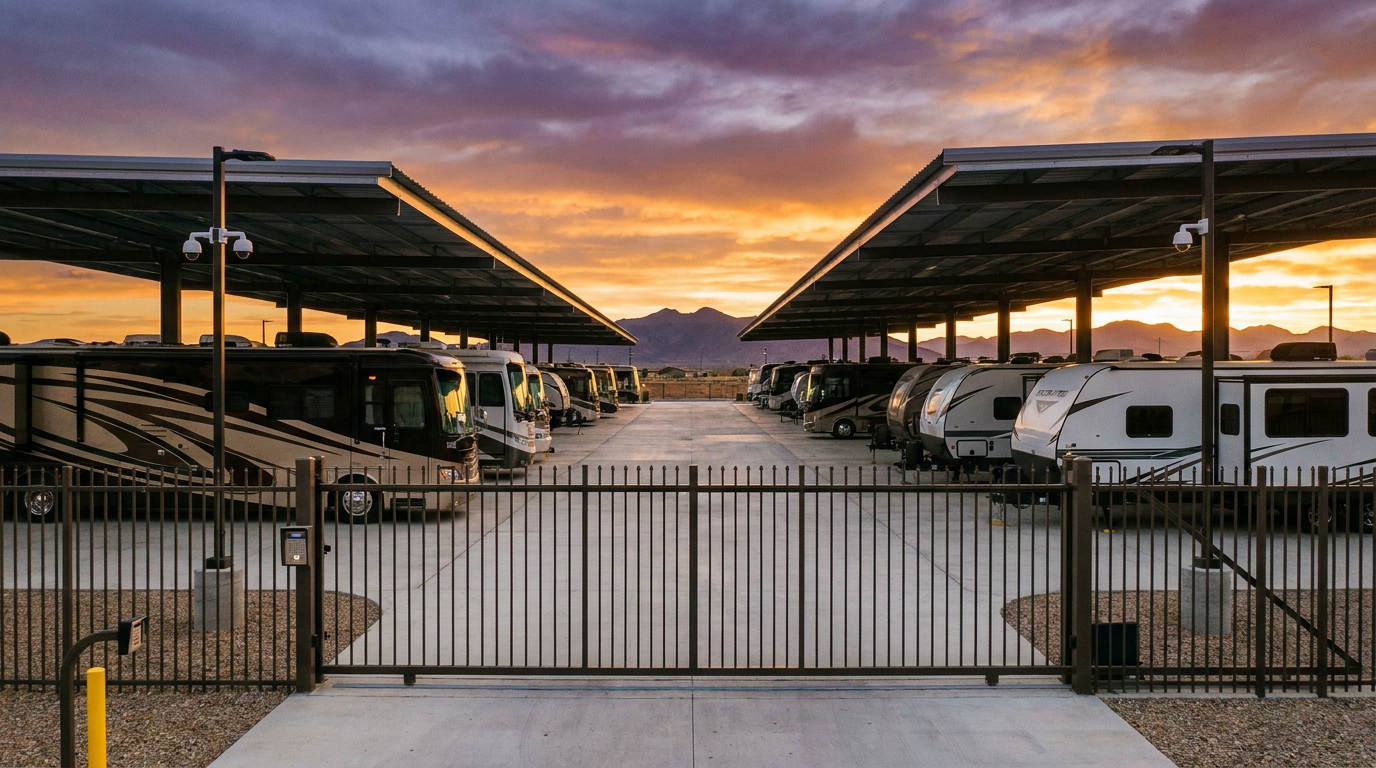
Discover the essential questions to ask when choosing an RV storage facility. Learn about security, access, pricing, and climate protection for your RV.
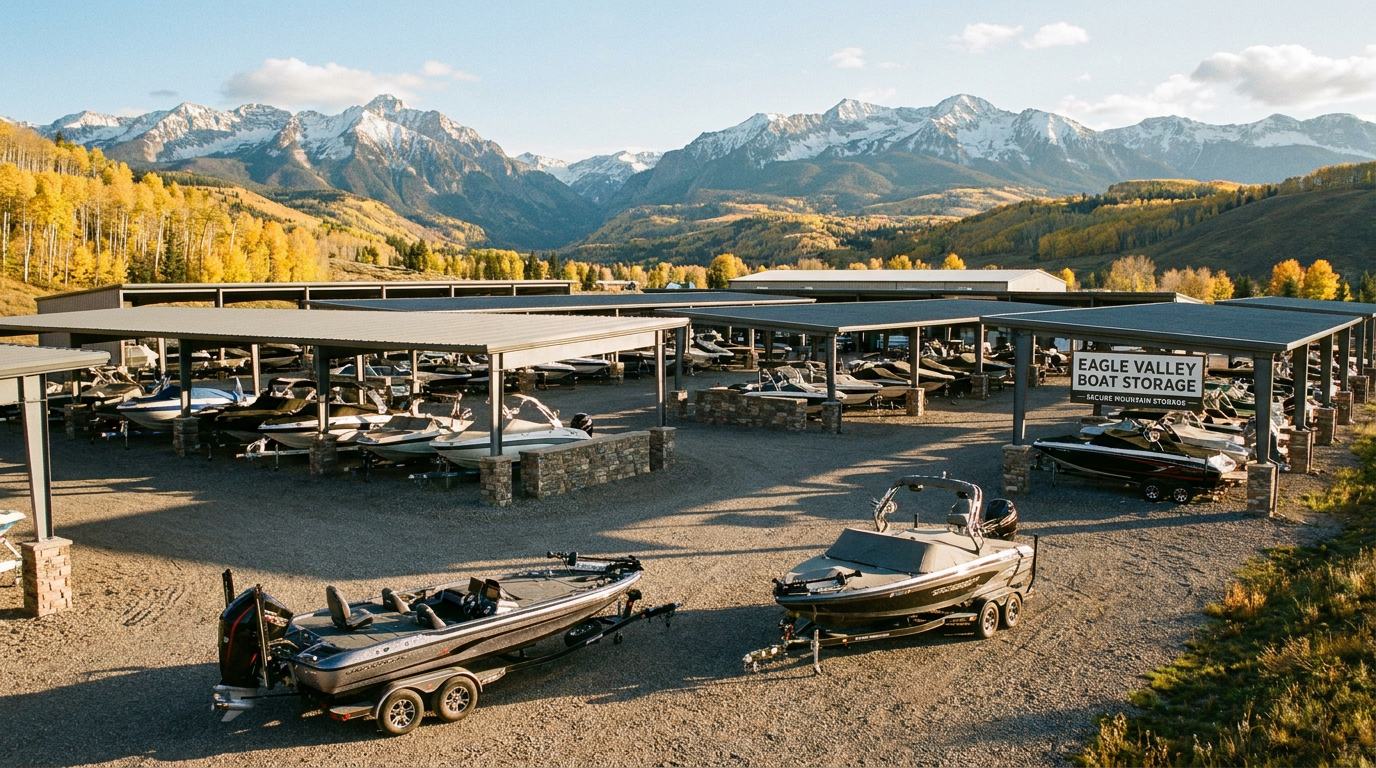
Find secure boat and trailer storage near Eagle and Vail, CO. Compare covered vs open storage, pricing from $150/month, and essential features for mountain storage.
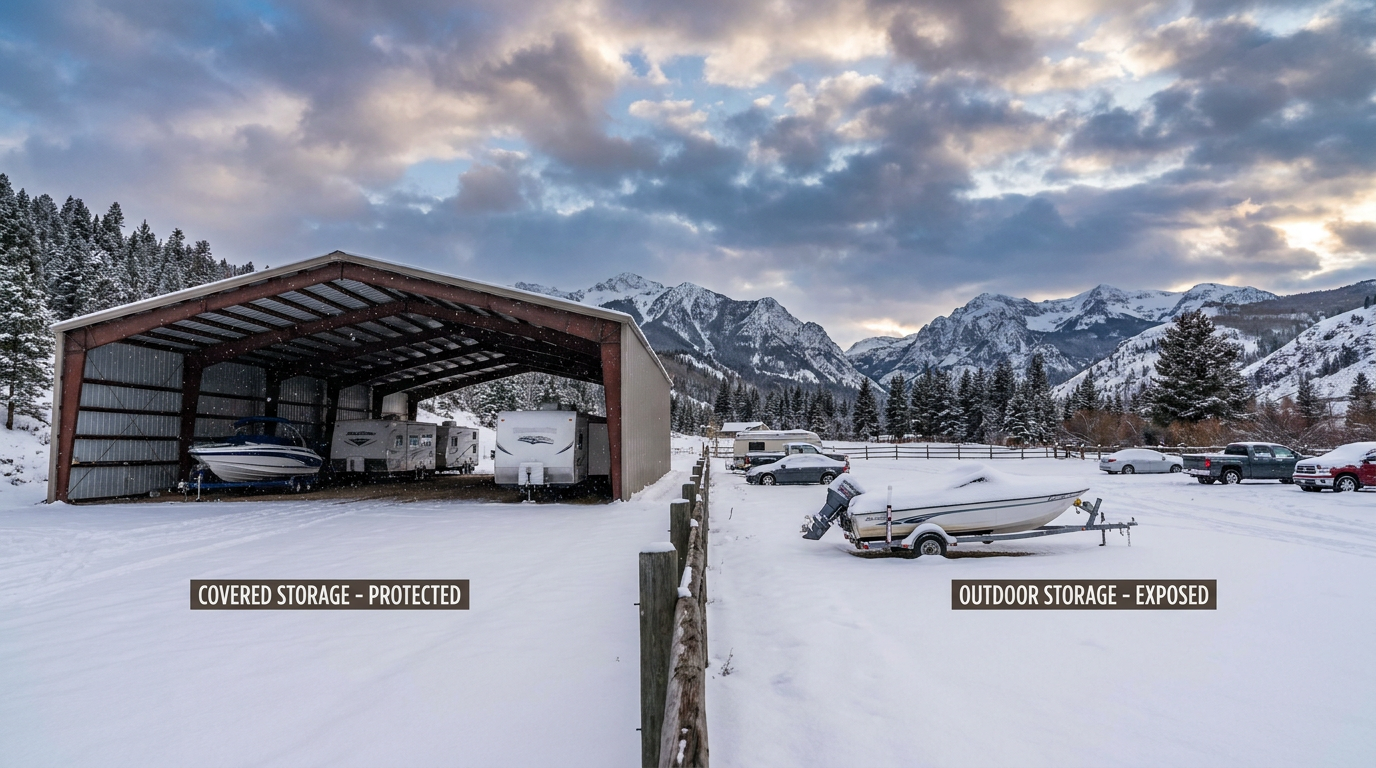
Compare covered and outdoor boat, trailer, and camper storage options in Eagle County. Learn costs, protection levels, and which type suits Colorado weather.
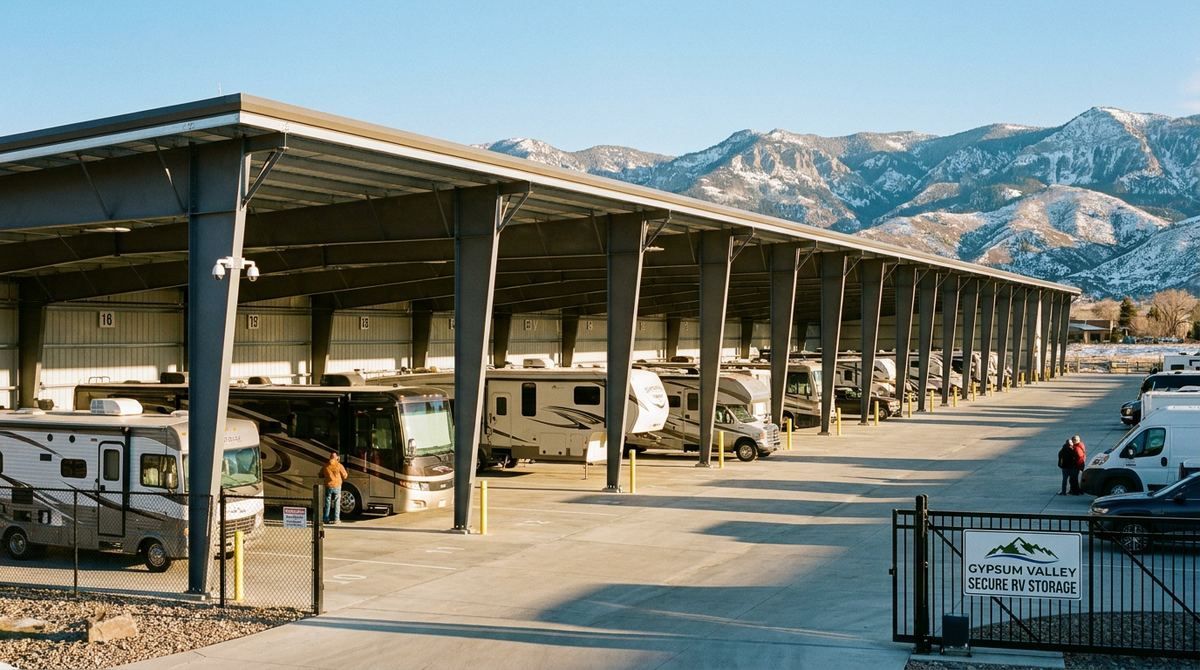
Complete guide to RV storage in Gypsum, Colorado. Learn what to check for covered parking, electric hookups, security features, and prep before you park.
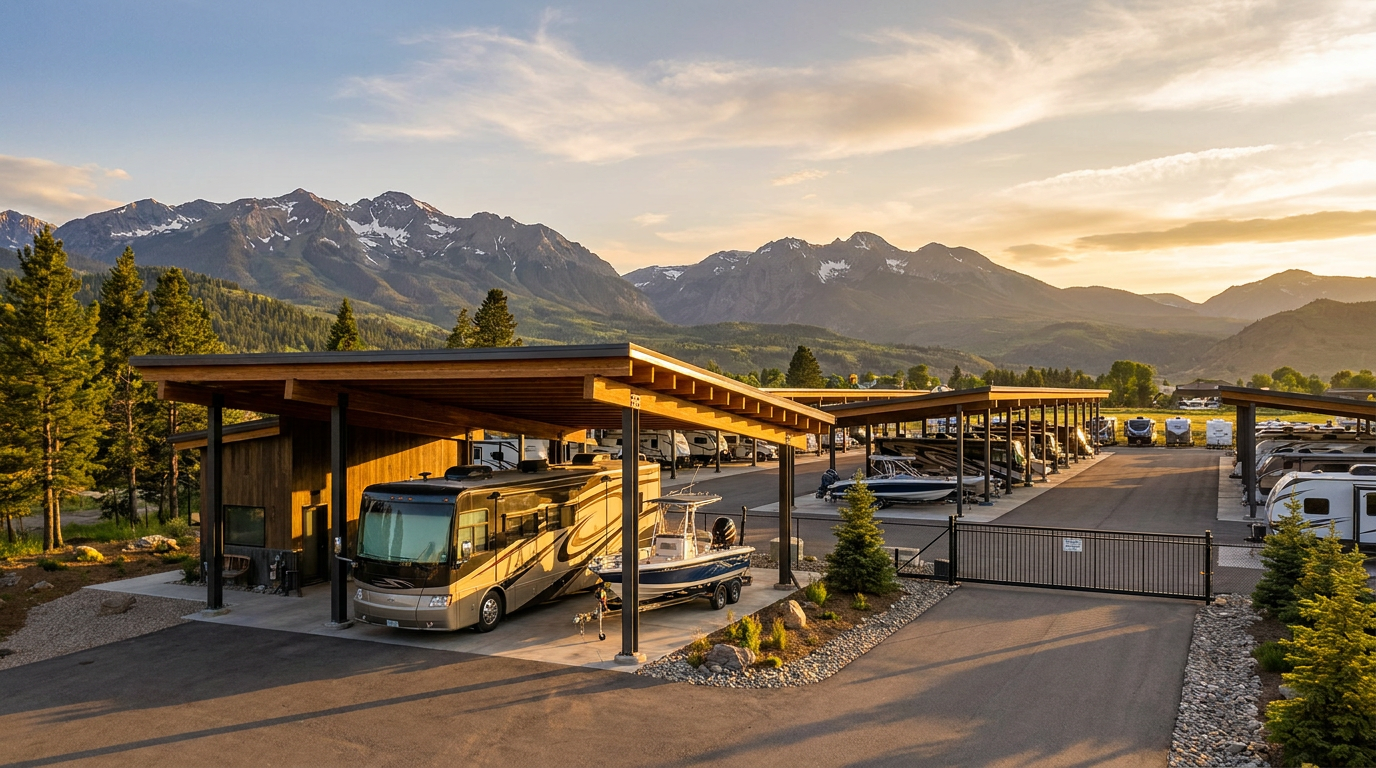
Find the best RV and boat storage near Eagle, CO. Learn what to check for covered protection, security, electric hookups, and month-to-month leases in 2026.