R
V storage in Gypsum, Colorado requires covered parking rated for 90+ pounds per square foot snow loads, 20 or 50 amp electric hookups for battery maintenance, and 24/7 gated access with security cameras. Open parking from $190/month and covered canopy spaces from $250 to $390/month depending on size, with most facilities offering month-to-month leases.
Why Gypsum's Climate Demands Covered RV Storage
Gypsum sits at 6,500 feet elevation in Eagle County, where the National Weather Service
reports average annual snowfall exceeding 150 inches. Individual storms can deposit 2 to 3 feet of snow in 24 hours, creating loads that damage uncovered RV roofs, seals, and slide-out mechanisms.
UV radiation at this elevation is 25% more intense than at sea level. Extended exposure causes gelcoat oxidation on fiberglass exteriors, rubber seal degradation, and dashboard cracking. These factors make covered storage essential rather than optional for rigs stored through Colorado winters.
The Vail Valley's freeze-thaw cycles create additional risks. Water infiltrates small seal gaps, freezes overnight, and expands to create larger openings. Covered structures rated for heavy snow loads eliminate direct accumulation on your roof while reducing temperature swings that accelerate seal failure.
Covered vs Open vs Enclosed Storage: Cost and Protection Comparison
Storage facilities in Eagle County offer three coverage tiers, each with distinct trade-offs between protection and monthly cost. Understanding these differences helps you match your rig's value and storage duration to the right option.
For most RV owners storing through an Eagle County winter, covered RV storage in Colorado
provides the optimal balance. Steel canopy structures engineered for mountain conditions cost significantly less than enclosed garages while eliminating the primary threats of snow accumulation and UV damage.
Electric Hookups: What to Know Before You Rent
Electric hookups at storage facilities serve a fundamentally different purpose than full hookups at RV parks. Storage power is designed for maintenance, not occupancy. Understanding this distinction prevents confusion and helps you select the right amperage for your needs.
20 Amp vs 50 Amp Service
Most covered storage spaces in Gypsum offer 20 amp circuits
sufficient for battery maintainers, trickle chargers, and small block heaters in diesel engines. This amperage supports the essential maintenance functions that keep your electrical systems healthy during months of inactivity.
Larger Class A motorhomes with residential refrigerators or substantial battery banks may benefit from 50 amp service
, typically available at premium spaces. 50 amp service costs about $10/month more than 20 amp for larger rigs needing higher capacity. This higher amperage supports larger inverter chargers and high-capacity lithium battery systems.
Why Battery Maintenance Matters
Lead-acid batteries lose approximately 5% of their charge per month at 60 degrees Fahrenheit, with discharge rates increasing in colder temperatures. A battery left unattended from October through April can drop below the 50% state of charge threshold where permanent sulfation damage begins.
Smart trickle chargers connected to covered canopy spaces with included power maintain optimal charge levels automatically, extending battery life by 2 to 3 years compared to unmanaged storage. 50 amp service at about $10/month is cheap insurance versus $200 to $800 battery replacement costs.
Facility Checklist: What to Check Before You Sign
Before committing to any RV storage facility near Gypsum, evaluate these specific factors. This checklist covers what to look for when buying or renting storage space, ensuring you avoid common mistakes that lead to damage or inconvenience.
Space Dimensions and Fit
Measure your RV from the front bumper to the rear bumper, including any bike racks, spare tire carriers, or hitch extensions. Add 3 to 5 feet for maneuvering room. A 35-foot Class A motorhome needs a minimum 40-foot space; a 28-foot travel trailer with tongue extension requires at least 33 feet.
Verify height clearance under covered structures. Standard canopy heights accommodate most travel trailers and Class C motorhomes, but tall Class A diesels with rooftop AC units may exceed 13 feet. Ask for exact clearance measurements in feet and inches, not general assurances.
Security Features to Verify
According to industry security guidance, outdoor storage facilities should provide multiple layers of protection. Look for these specific features:
- Gated access with individualized entry codes, not shared combinations
- Perimeter fencing at least 6 feet high with barbed wire or anti-climb features
- HD security cameras covering entry points, drive lanes, and storage rows
- Adequate lighting throughout the property, including LED flood lights on timer or motion activation
Facilities with locally owned and operated management
often provide more responsive security monitoring than national chains with remote oversight. Ask who monitors camera footage and how quickly they respond to alerts.
Access Policies and Hours
True 24/7 access matters for RV owners who depart early for camping trips or return late from ski weekends. Some facilities advertise extended hours but restrict overnight access. Confirm you can enter and exit at any time without advance notice or additional fees.
Winter access policies are equally important. Ask whether the facility plows drive lanes after snowstorms and how quickly. A covered space provides no benefit if you cannot reach it through 18 inches of accumulated snow in the access road.
Surface and Site Conditions
Paved asphalt surfaces protect tires and reduce undercarriage risk compared to gravel lots. Standing water or poor drainage indicates potential ice buildup in winter, creating both access problems and moisture damage risks for stored vehicles.
Evaluate turning radius and lane width by driving through the facility before signing. Long trailers and Class A motorhomes need generous clearance to navigate corners without striking canopy supports or neighboring vehicles.
RV Prep Checklist: What to Do Before Storage
Facility selection is only half the equation. Proper preparation determines whether your first spring outing is a smooth departure or an expensive repair bill. Complete these steps before leaving your RV in storage.
Water System Winterization
When temperatures drop below 32 degrees Fahrenheit, water remaining in tanks, lines, and fixtures freezes and expands, cracking pipes and fittings. Proper winterization involves draining all water systems completely or adding RV-specific antifreeze rated to minus 50 degrees Fahrenheit.
Drain the fresh water tank, water heater, and all holding tanks. Open all faucets and flush the toilet to remove residual water. Use compressed air to blow remaining water from lines, or pump non-toxic antifreeze through the system until it appears at each fixture.
For professional winterization services, RV winterization services in the Vail Valley
handle this process for approximately $150 to $250, ensuring all components are properly protected.
Battery Management
Disconnect the negative battery terminal to prevent parasitic draws from slowly draining your battery over storage. If your storage space includes electric hookups, connect a smart trickle charger rated for your battery type (lead-acid, AGM, or lithium).
For storage without power, remove batteries entirely and store them in a temperature-controlled location. Check charge levels monthly and recharge when they drop below 75% state of charge.
Exterior and Interior Protection
Inspect roof seams, window seals, and vent covers for cracks or gaps before storage. Small openings that seem insignificant in summer become entry points for snowmelt and ice damage in winter. Apply sealant to any questionable areas.
Remove all food, toiletries, and items with strong odors that attract rodents. Close all vents and openings, but consider moisture-absorbing products inside to prevent mildew during extended storage. Lock every door, window, and exterior compartment.
Tire and Mechanical Prep
Inflate tires to the maximum pressure listed on the sidewall to reduce flat-spotting during months of stationary storage. If possible, move the RV a few feet every 30 to 60 days to redistribute weight on the tires and prevent permanent deformation.
For diesel engines, consider adding fuel stabilizer to a full tank to prevent separation and degradation over 3 to 6 months. Change oil and filters to remove acidic contaminants that cause corrosion during storage.
Frequently Asked Questions
Is covered RV storage worth the extra cost in Gypsum?
Yes. Covered canopy spaces start about $60/month above open parking ($250 versus $190 for the smallest sizes), but prevent roof damage from 150+ inches of annual snowfall, UV degradation at 6,500 feet elevation, and hail damage common in Colorado mountain storms. The protection typically saves thousands in repair costs over multi-year storage periods.
What size storage space do I need for my RV?
Measure your RV from front bumper to rear bumper, including all attachments, and add 5 feet. A 30-foot travel trailer typically needs a 12x35 space; a 40-foot Class A motorhome requires a 12x45 or 12x50 space. Check our frequently asked questions page
for detailed sizing guidance.
Do I need electric hookups if my RV will sit all winter?
Electric hookups are strongly recommended for winter storage. They allow smart chargers to maintain battery health, preventing the sulfation damage that occurs when batteries discharge below 50%. Power is included in covered canopy rates, making it an excellent value for battery maintenance.
What security features should I look for at an outdoor RV storage facility?
Essential security features include gated access with individual entry codes, perimeter fencing at least 6 feet high, HD security cameras covering all areas, and adequate lighting throughout the property. Facilities should also have clear policies on who can access the property and when.
How should I prepare my RV before leaving it in storage in Colorado?
Winterize all water systems when temperatures will drop below freezing. Disconnect or maintain batteries with a trickle charger. Inspect and seal any gaps in roof seams or window seals. Remove food and valuables. Inflate tires to maximum sidewall pressure. Lock all doors and compartments.
What is the difference between RV storage with power and full hookup RV parks?
Storage facilities provide electric only for battery maintenance, not continuous occupancy. Full hookup RV parks near Vail and Gypsum include water, sewer, and 30/50 amp power for living in your RV. Storage power supports maintenance; park hookups support habitation.
Choosing the Right Storage Facility in Gypsum
The right RV storage facility combines structural protection, convenient access, and security features that match your rig's value and your usage patterns. For seasonal residents and outdoor enthusiasts in Eagle County, covered canopy storage with electric hookups provides optimal protection without the premium cost of fully enclosed garages.
Before signing any lease, visit the facility in person. Drive through the property to evaluate turning radius and lane width. Verify security features are operational, not just advertised. Confirm access policies match your schedule and winter plowing meets your expectations.
With proper facility selection and thorough pre-storage preparation, your RV will emerge from Colorado winter storage ready for spring adventures, whether that means camping at Dillon Reservoir
or exploring national park campgrounds
across the Rocky Mountain region.
Gypsum covered RV checklist → rent
Use this checklist, then reserve steel-canopy parking at Eagle Canopy RV Storage — 645 Lindbergh Dr, Gypsum.
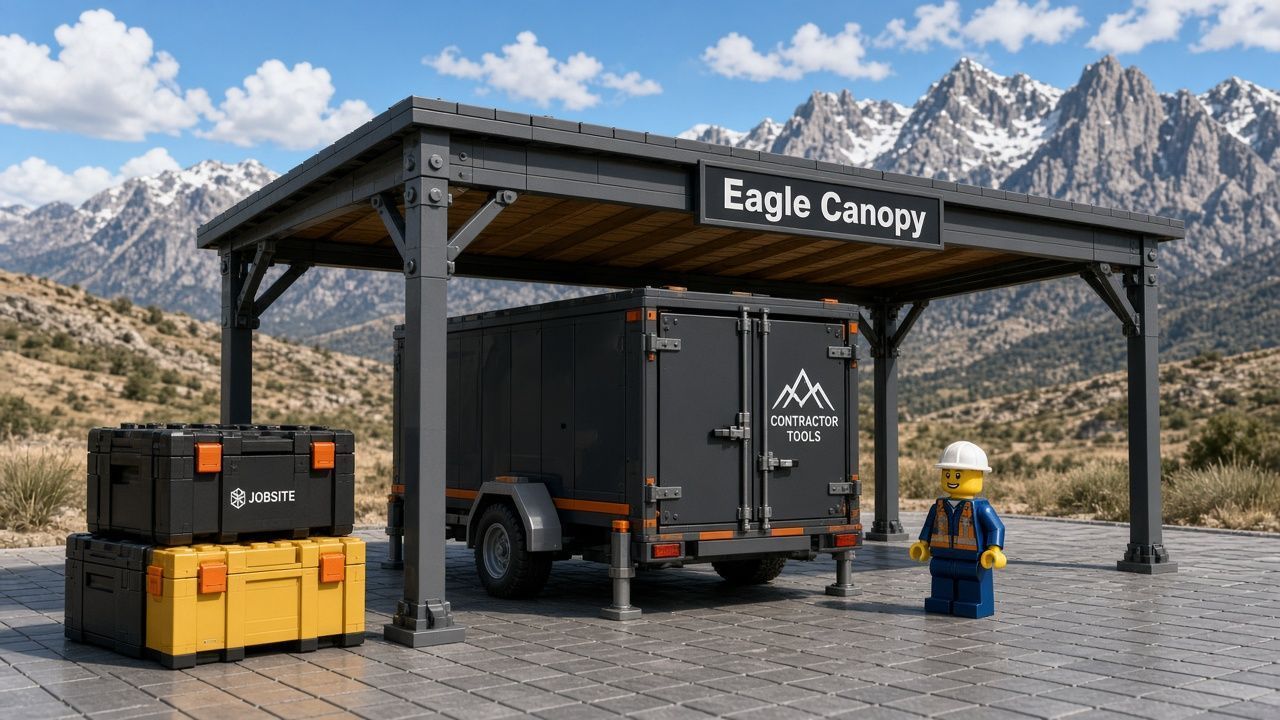
Need contractor trailer storage in Eagle County? Park tool trailers under steel canopies at Eagle Canopy in Gypsum. Call for a quote.
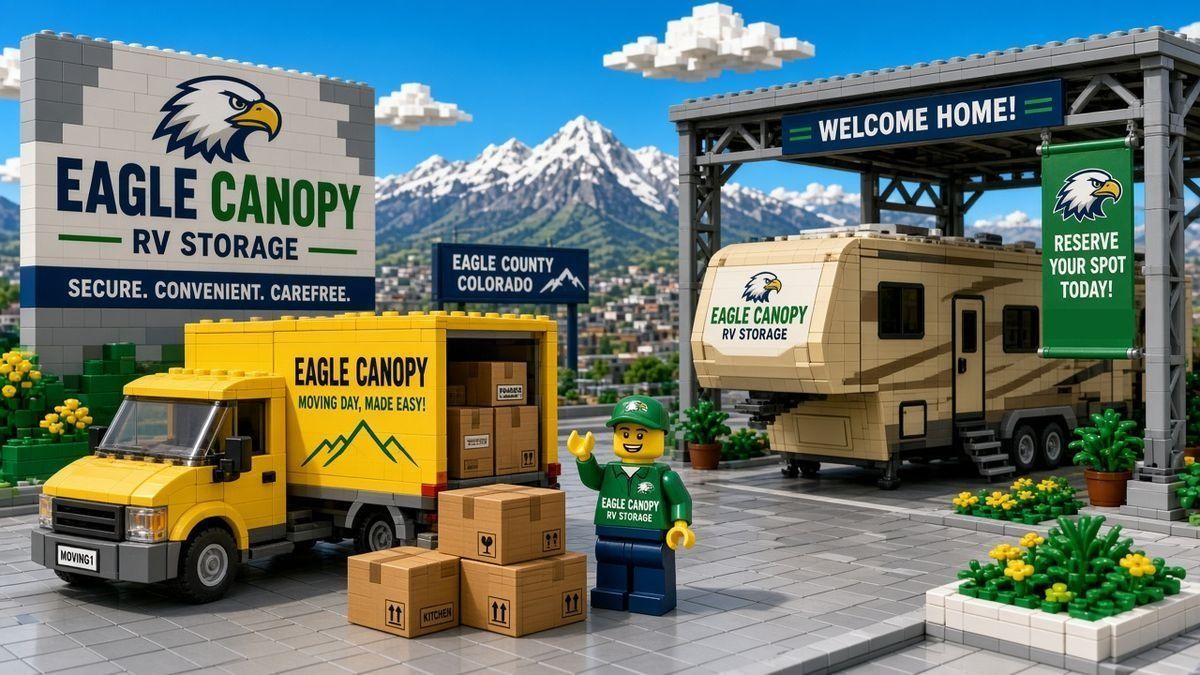
Moving to Eagle County with an RV, fifth wheel, or boat? See how covered parking at Eagle Canopy RV Storage in Gypsum bridges HOA limits and housing gaps.
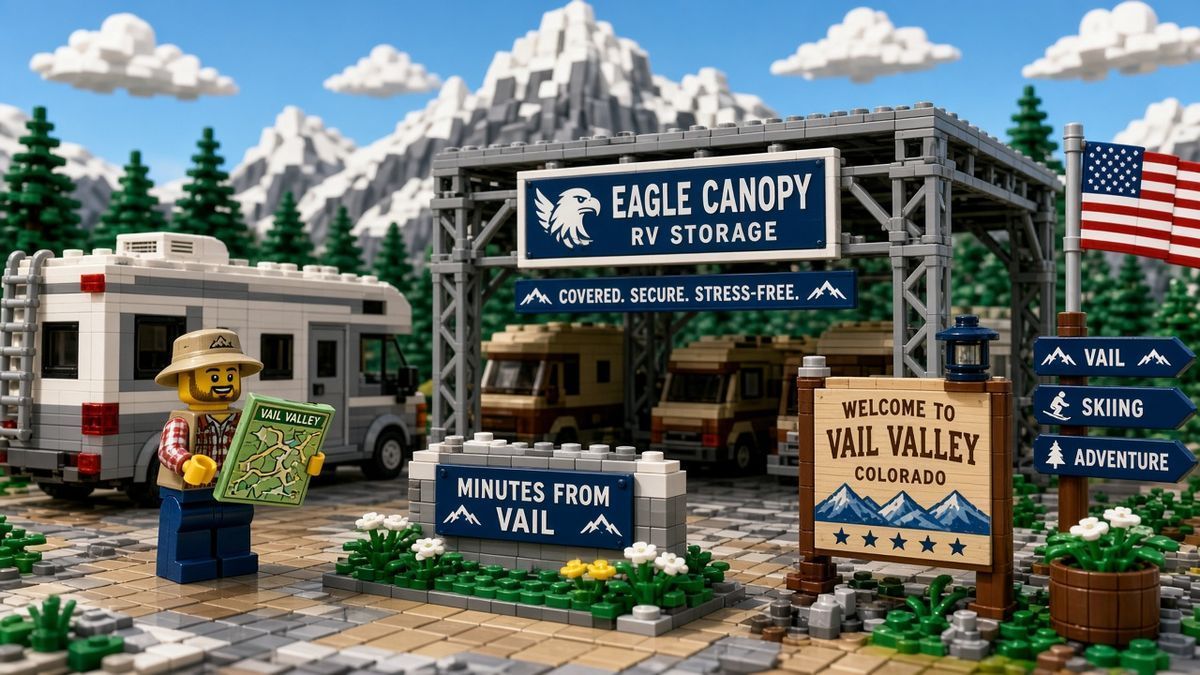
Drive times from Vail, Edwards, and Avon to Eagle Canopy RV Storage on Lindbergh Dr in Gypsum, with winter I-70 notes and soft rent-online next steps.

Compare Gypsum covered RV storage at Eagle Canopy RV Storage vs hauling to Denver. I-70 drive times, Vail Valley lifestyle fit, and soft rent-online next steps.
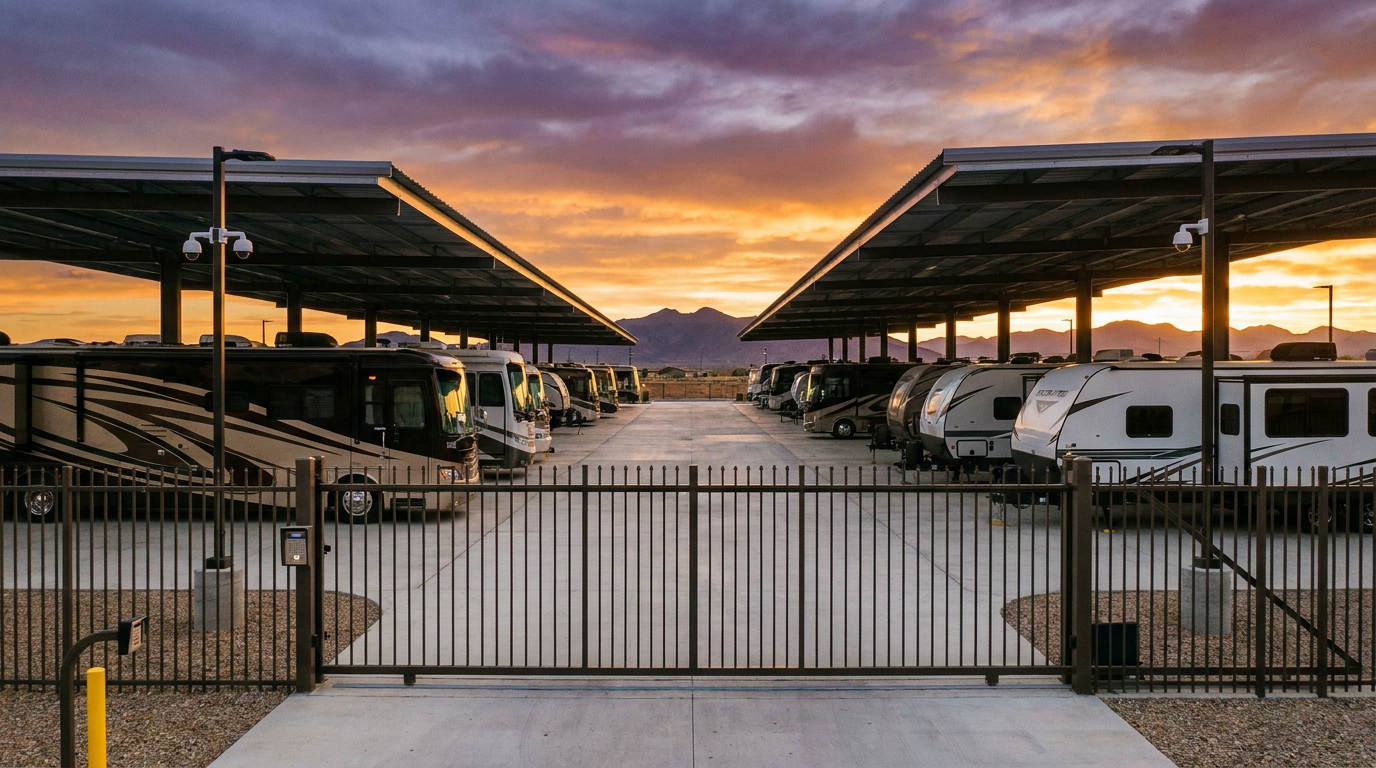
Discover the essential questions to ask when choosing an RV storage facility. Learn about security, access, pricing, and climate protection for your RV.
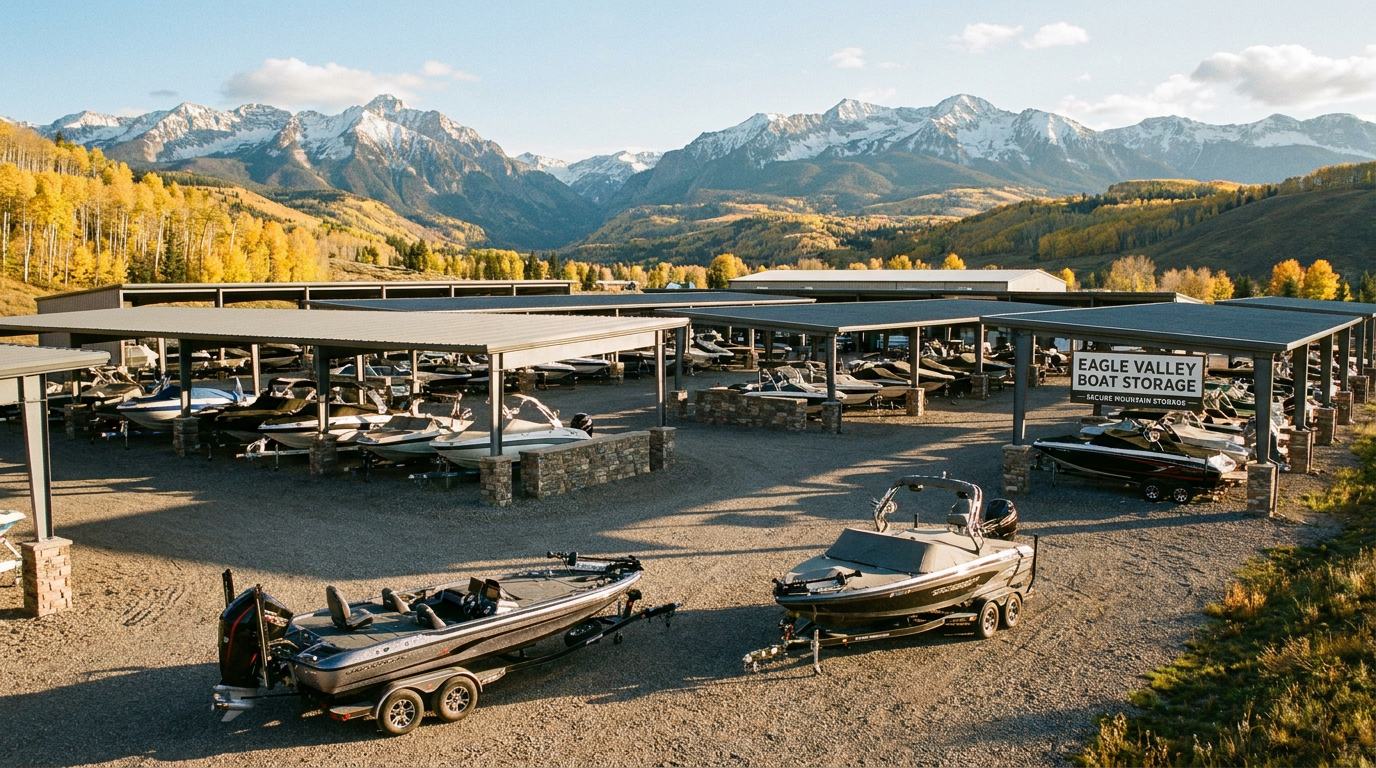
Find secure boat and trailer storage near Eagle and Vail, CO. Compare covered vs open storage, pricing from $150/month, and essential features for mountain storage.
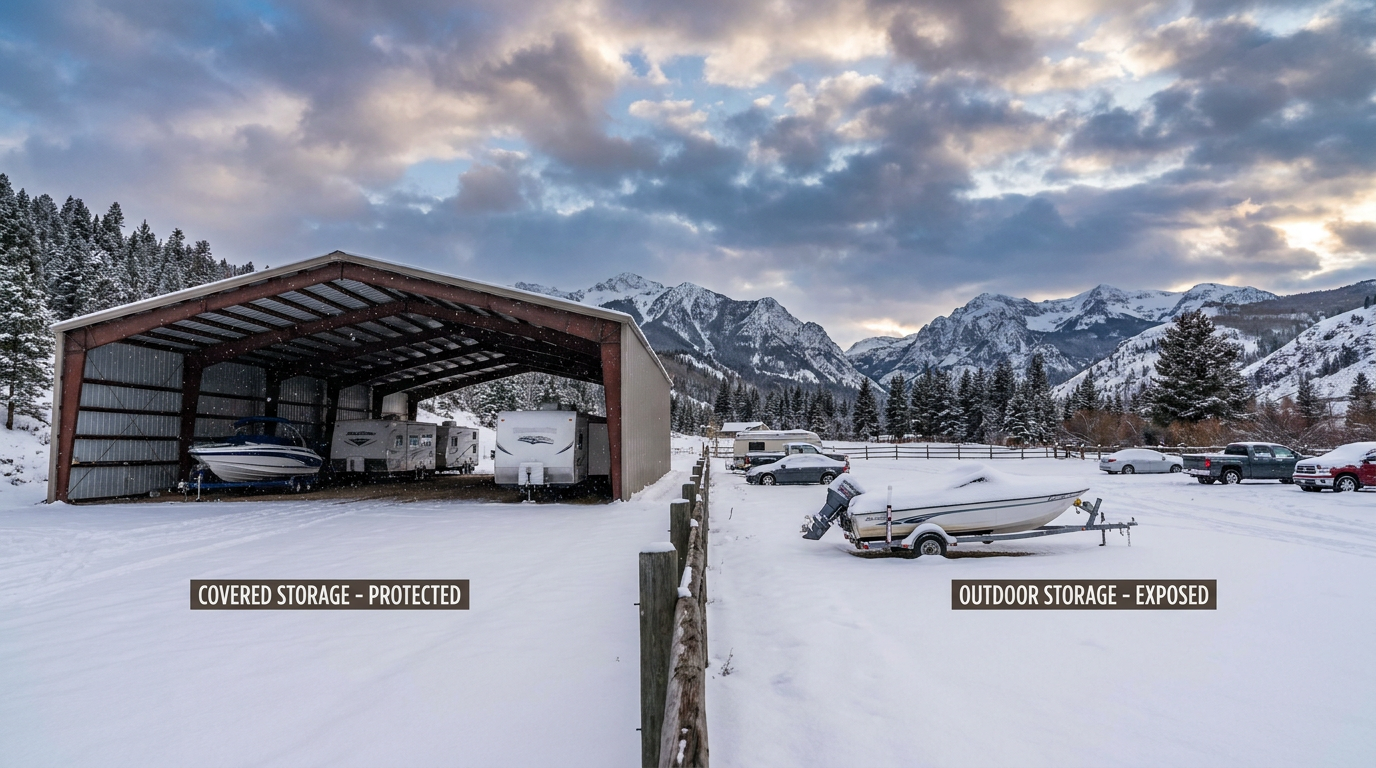
Compare covered and outdoor boat, trailer, and camper storage options in Eagle County. Learn costs, protection levels, and which type suits Colorado weather.
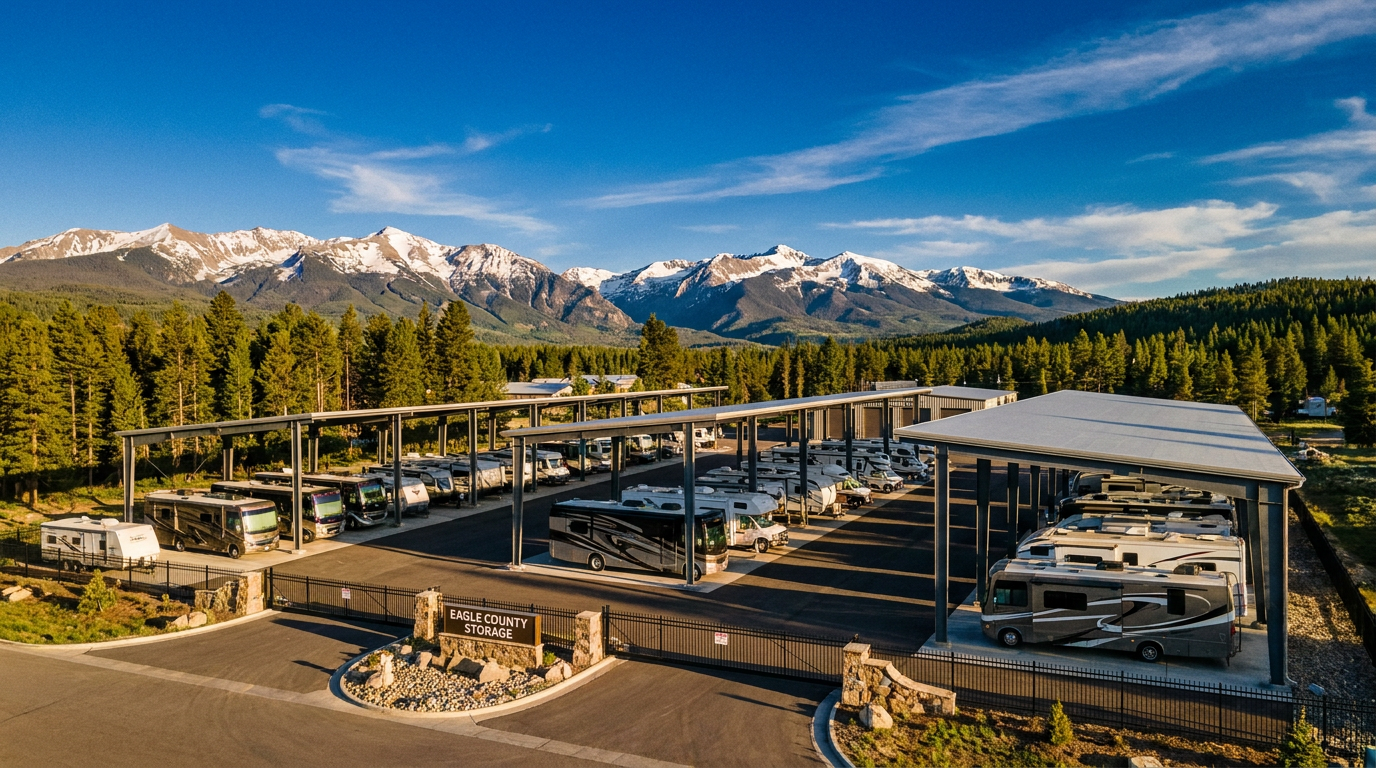
Find secure RV storage near Vail and Eagle County. Compare covered vs. open options, pricing from $150 to $460 per month, and key features for Colorado weather.
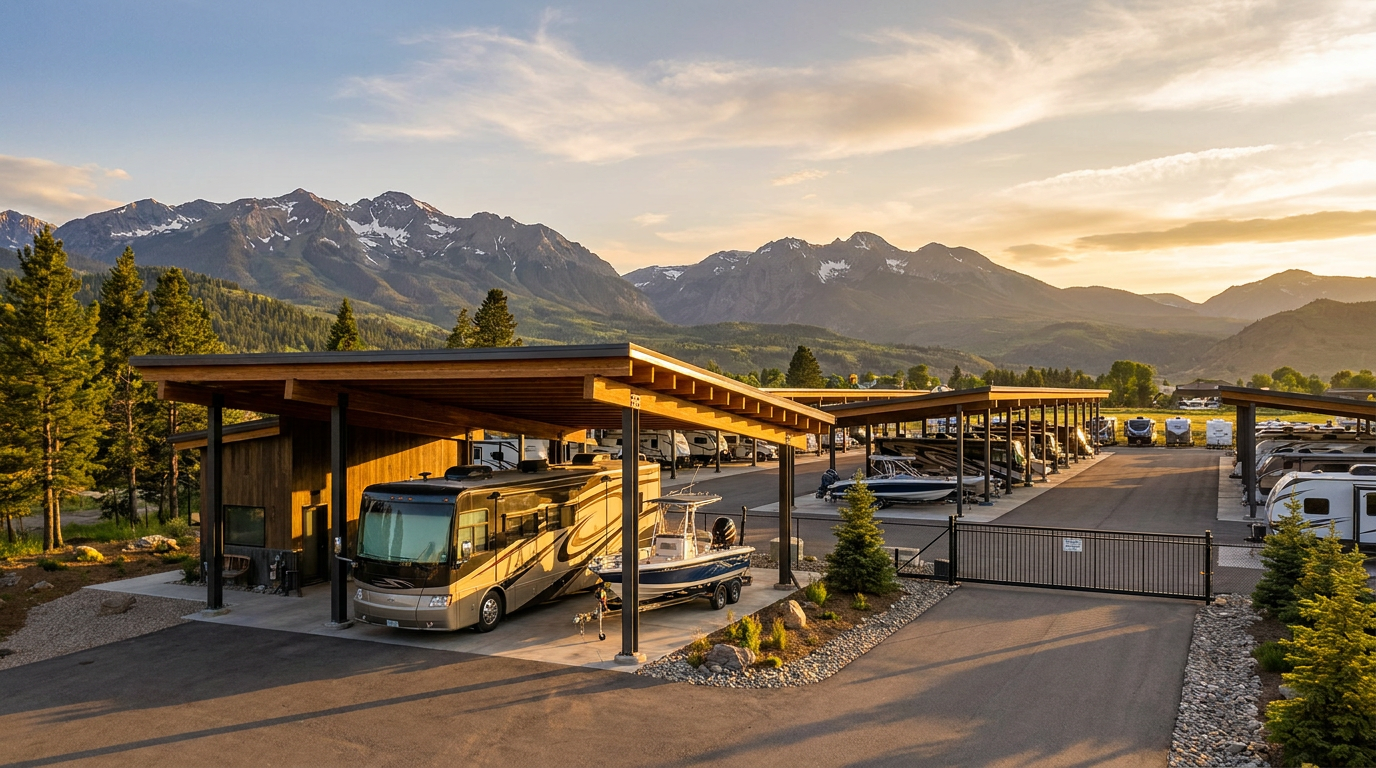
Find the best RV and boat storage near Eagle, CO. Learn what to check for covered protection, security, electric hookups, and month-to-month leases in 2026.
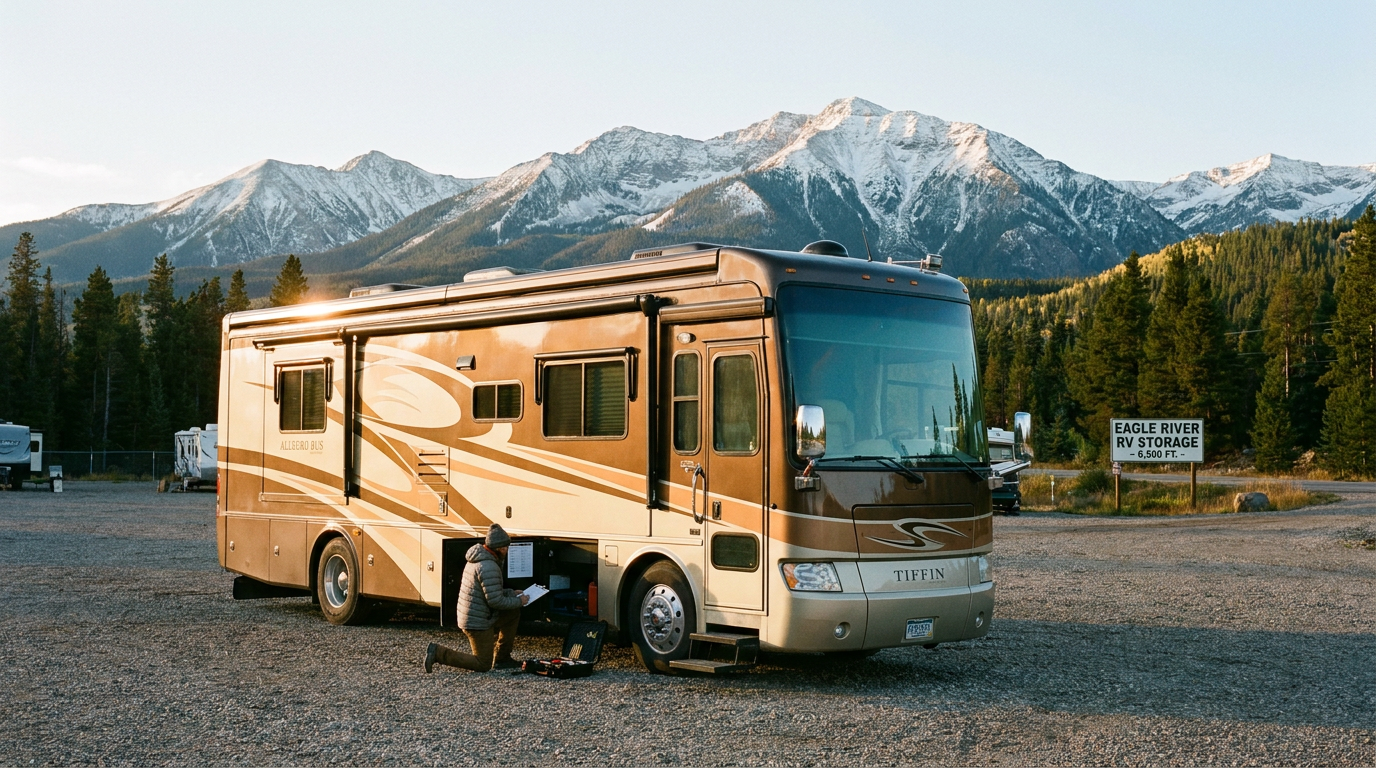
Complete RV storage prep guide for Eagle County. Step-by-step winterization, battery care, pest prevention, and what to do before storing at 6,500+ feet elevation.