5x5 Storage Unit Size Guide: Dimensions, Capacity, and Costs |
| 5X5 SELF STORAGE
⏱ 11 min read ·
📄 #2,108 words
A 5x5 storage unit provides 25 square feet of space, fits 20-25 boxes, and costs $32-138/month. Learn what fits, pricing factors, and when to size up.
|
A 5x5 storage unit measures 5 feet wide by 5 feet long, providing 25 square feet of floor space and approximately 200 cubic feet of total capacity with standard 8-foot ceilings. This smallest standard unit size costs between $32 and $138 per month depending on location, with climate-controlled options running $65 to $110 monthly according to SelfStorageCost.com pricing data.
| Key Points: | |
|---|---|
| • | Dimensions: 5 feet x 5 feet (25 sq ft floor space, 200 cubic feet total with 8-foot ceiling) |
| • | Capacity: 20-25 medium moving boxes or equivalent small furniture items |
| • | Monthly cost: $32-$138 standard, $65-$110 climate-controlled (varies by metro area) |
| • | Best for: Seasonal items, small furniture, business files, sports equipment, college storage |
| • | Not suitable for: Items wider than 5 feet, queen/king mattresses, full apartment contents |
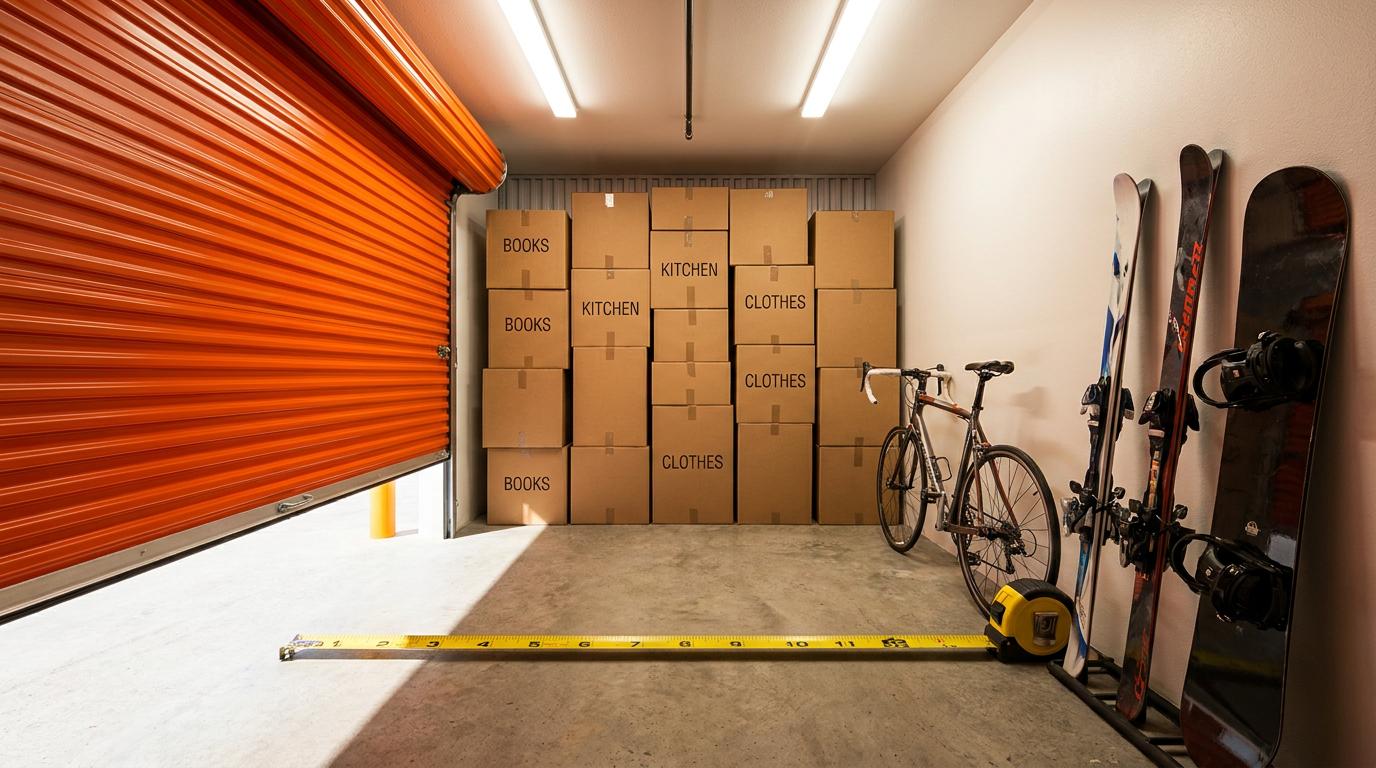
How Big Is a 5x5 Storage Unit Compared to Everyday Spaces?
A 5x5 storage unit equals the size of a large walk-in closet or half bathroom. The 25 square feet of floor space accommodates roughly the same volume as a standard reach-in closet found in most apartments. With ceiling heights typically reaching 8 feet, you gain vertical storage capacity that maximizes the compact footprint.
For visual reference, imagine a space where you can stand in the center and touch both side walls with your arms extended. According to Extra Space Storage's size guide, this unit type works well for renters who need temporary overflow storage rather than long-term household solutions.
The Self Storage Association reports that 5x5 units represent approximately 15% of all rented storage spaces nationwide, making them the third most popular size behind 10x10 and 5x10 units. Their compact size makes them ideal entry points for first-time storage renters.
What Fits Inside a 5x5 Storage Unit?
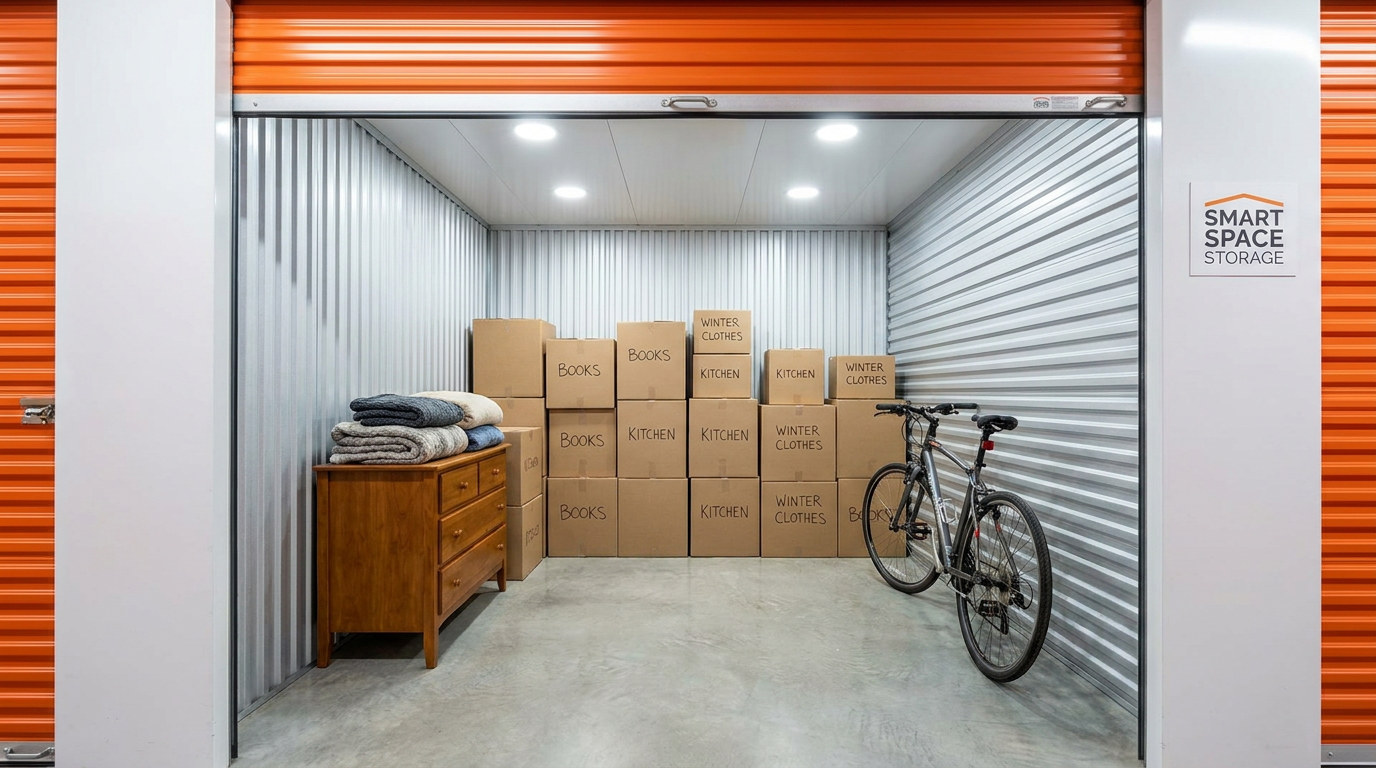
A 5x5 unit holds approximately 20 to 25 medium-sized moving boxes when stacked floor to ceiling. Alternatively, you can store a combination of small furniture pieces and boxes. The key constraint is the 5-foot width, which limits what items can physically enter the unit.
Items That Fit Well in 5x5 Units
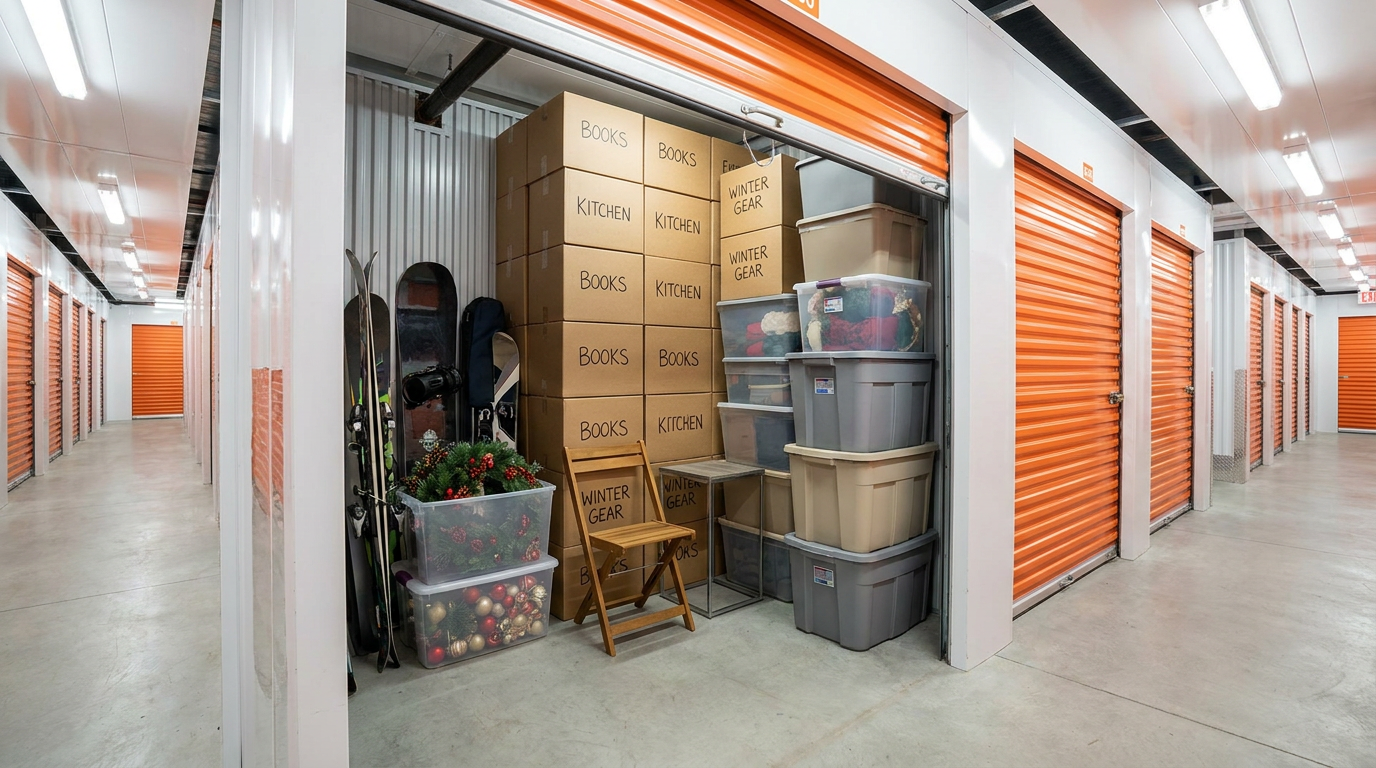
Small furniture items work best in this space. A twin or full mattress set stored vertically fits comfortably, as do small dressers, nightstands, end tables, and desk chairs. Seasonal items like holiday decorations, camping gear, ski equipment, and golf clubs store efficiently in this footprint.
Business users frequently rent 5x5 units for document storage. The space accommodates 10 to 15 standard file boxes or 2 to 3 small filing cabinets. College students find this size sufficient for dorm room contents during summer breaks, including mini-fridges, microwaves, and clothing bins.
Items That Will Not Fit
Queen and king mattresses exceed the 5-foot width and cannot enter the unit. Standard sofas, love seats, and dining tables typically measure 6 feet or longer, making them incompatible. Large appliances like washers, dryers, and full-size refrigerators require 5x10 or larger units.
| Item Category | Fits in 5x5 | Recommended Size |
|---|---|---|
| Twin/Full Mattress | Yes (vertical) | 5x5 |
| Queen/King Mattress | No | 5x10 or larger |
| Small Dresser | Yes | 5x5 |
| Standard Sofa | No | 5x10 or larger |
| 20-25 Moving Boxes | Yes | 5x5 |
| Bicycle | Yes (1-2) | 5x5 |
| Washer/Dryer | No | 5x10 or larger |
How Much Does a 5x5 Storage Unit Cost Per Month?
National pricing for standard 5x5 units ranges from $32 to $138 monthly, with the average falling between $50 and $80. Climate-controlled units command a 30% to 50% premium, typically costing $65 to $110 per month. Location drives the largest price variation, with major metropolitan areas charging 2 to 3 times more than rural markets.
Price Comparison by Major Metro Area
Oklahoma City offers some of the lowest 5x5 rates at approximately $32 per month for standard units. Dallas and Houston average $45 to $60 monthly. Coastal cities like Los Angeles, San Francisco, and New York command premium pricing, with New York averaging $138 for comparable units according to industry pricing aggregators.
| City | Standard 5x5 | Climate-Controlled |
|---|---|---|
| Oklahoma City | $32-$45 | $45-$65 |
| Dallas/Houston | $45-$60 | $60-$85 |
| Denver/Colorado | $55-$75 | $75-$100 |
| Los Angeles | $85-$120 | $110-$150 |
| New York | $100-$138 | $130-$175 |
Hidden Fees to Watch For
The advertised monthly rate rarely reflects your total cost. Most facilities charge administrative fees of $15 to $30 at move-in. Insurance or protection plans add $10 to $20 monthly, though some operators like Eagle Canopy offer tenant protection plans with transparent pricing. Lock purchases run $10 to $25 if the facility requires a specific lock type.
Rate increases represent the most significant hidden cost for long-term renters. Industry data from U-Haul and Public Storage indicates that facilities typically raise rates 5% to 10% every 6 to 12 months for existing tenants. Asking about rate increase policies before signing helps avoid surprises.
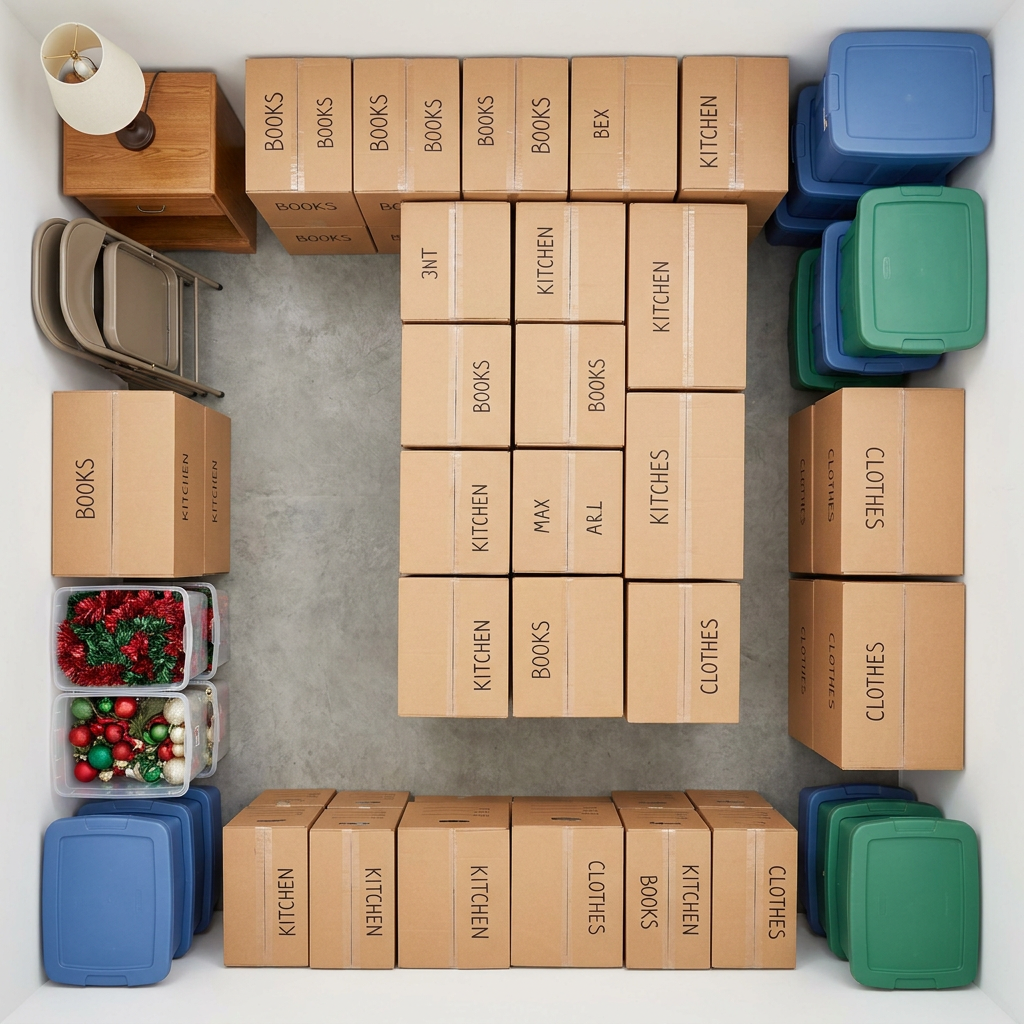
5x5 vs 5x10 Storage Units: When to Size Up
A 5x10 storage unit doubles your floor space to 50 square feet and approximately 400 cubic feet of capacity. The price difference averages 40% to 60% more than a 5x5, typically $70 to $120 monthly for standard units. Choosing between sizes depends on your specific inventory and how long you plan to store items.
Select a 5x10 if you need to store a queen mattress, standard sofa, or the contents of a one-bedroom apartment. The extra 5 feet of depth accommodates longer furniture pieces that simply cannot fit through a 5x5 doorway. Business users storing inventory or equipment often find the 5x10 more practical for access and organization.
Stick with a 5x5 if your storage consists primarily of boxes, seasonal items, or small furniture. The lower monthly cost adds up over extended storage periods. Storing items for 12 months in a 5x5 at $60/month versus a 5x10 at $95/month saves $420 annually.
Do You Need Climate Control for a 5x5 Unit?
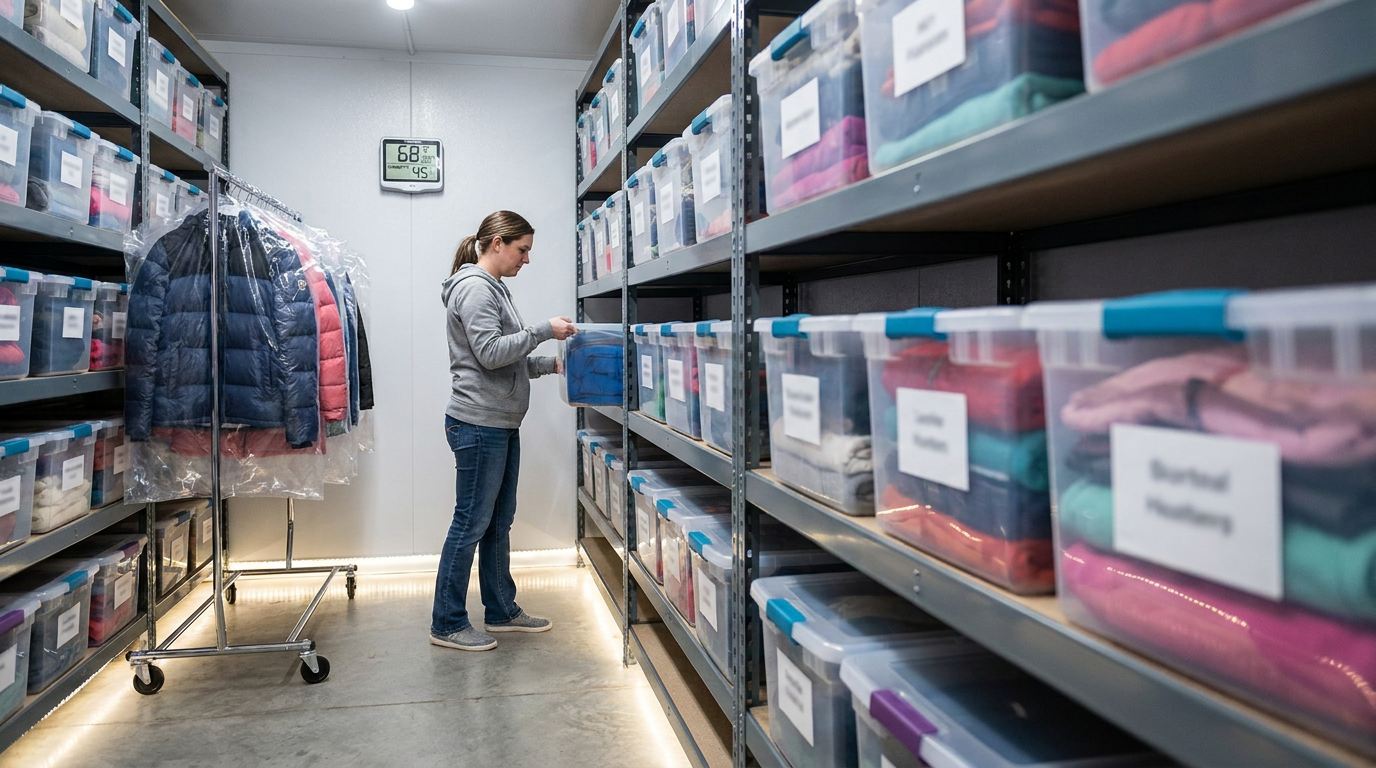
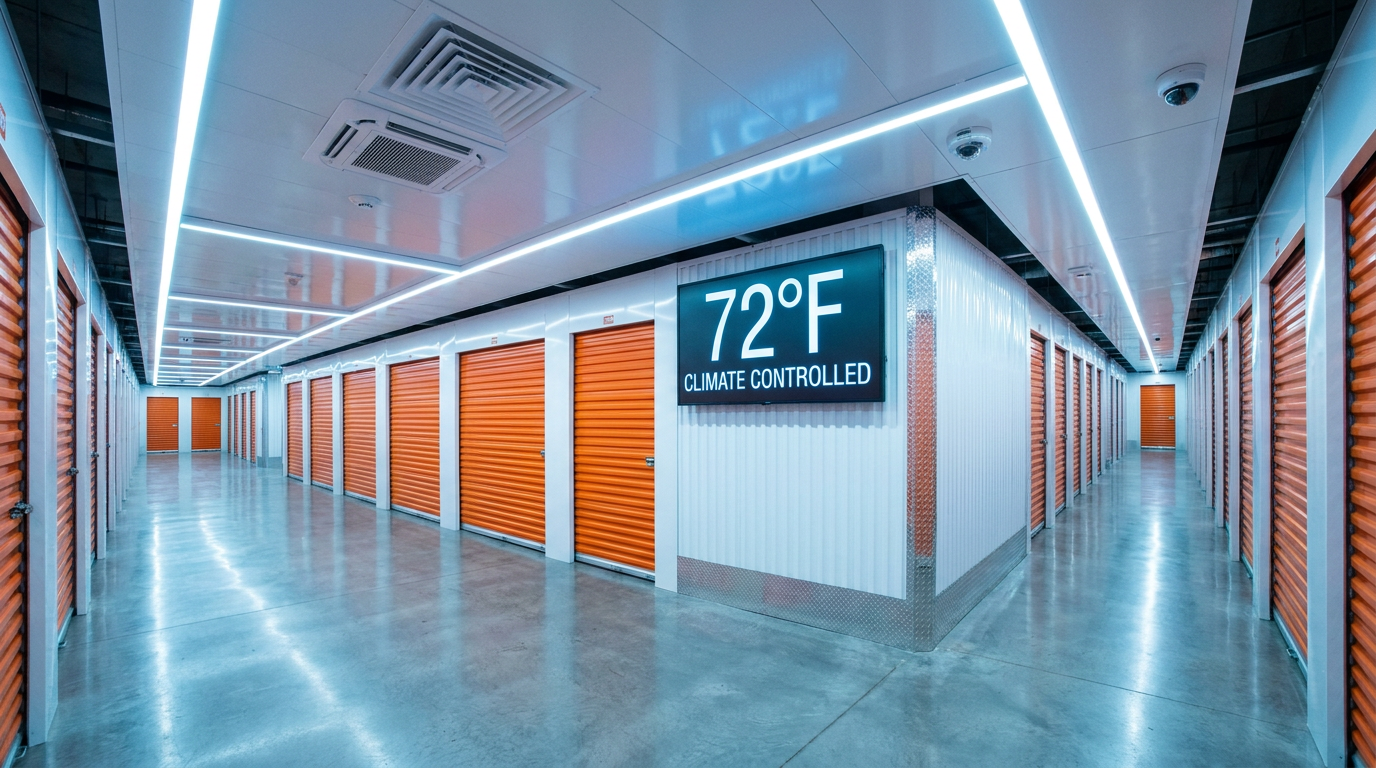
Climate-controlled units maintain temperatures between 55 and 80 degrees Fahrenheit year-round, protecting sensitive items from extreme heat, cold, and humidity fluctuations. The 30% to 50% price premium pays for itself when storing electronics, wooden furniture, photographs, documents, or musical instruments.
Standard units work fine for items unaffected by temperature swings. Plastic bins, metal tools, camping equipment, and outdoor furniture tolerate non-climate storage in most regions. However, areas with high humidity, extreme summer heat above 90 degrees, or winter temperatures below freezing benefit from climate control even for less sensitive items.
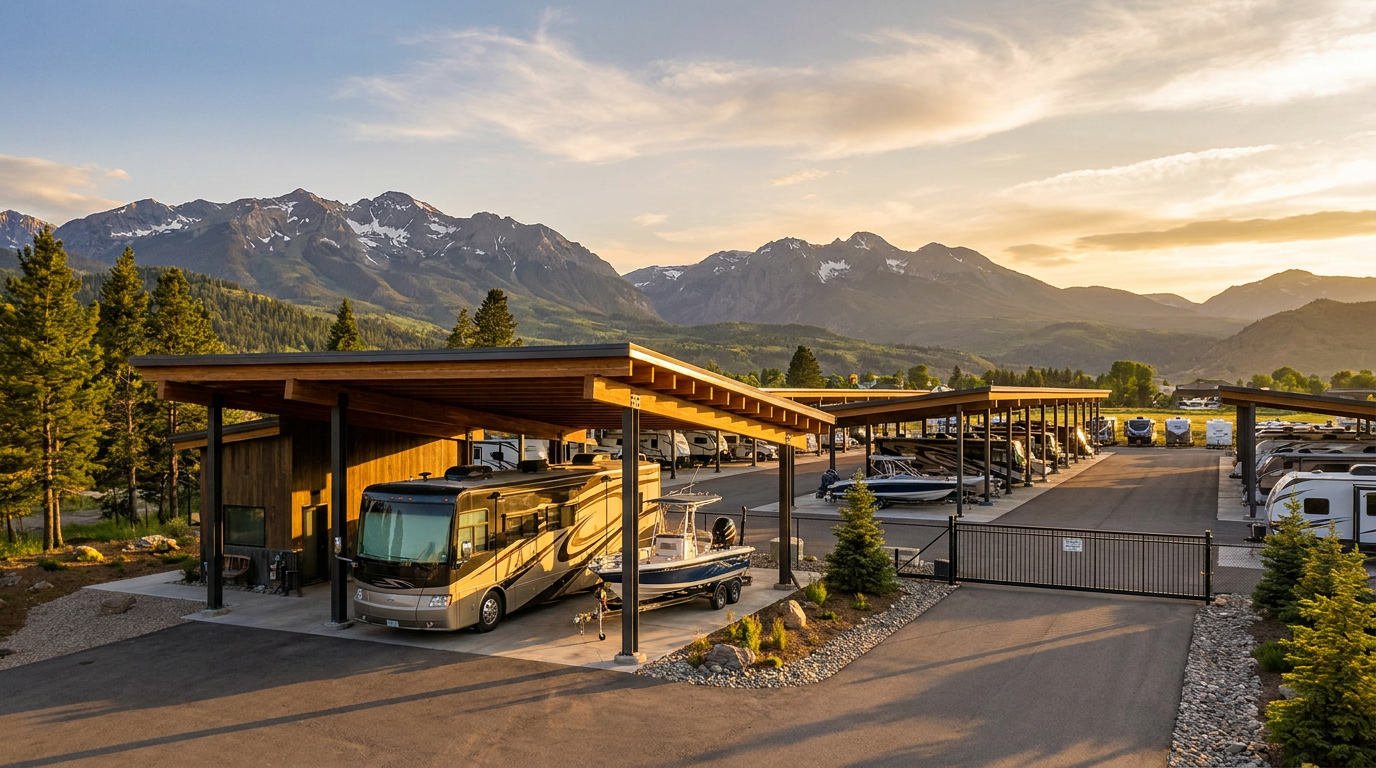
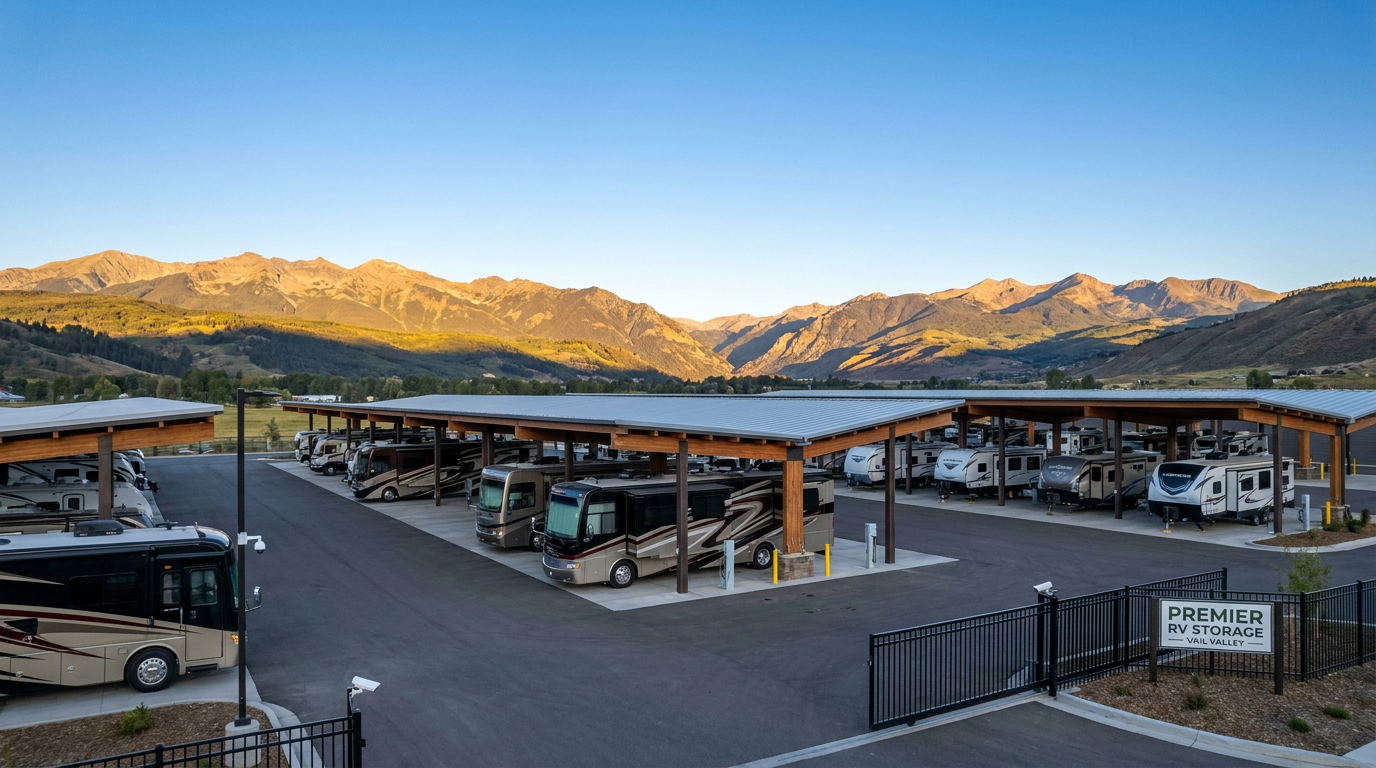
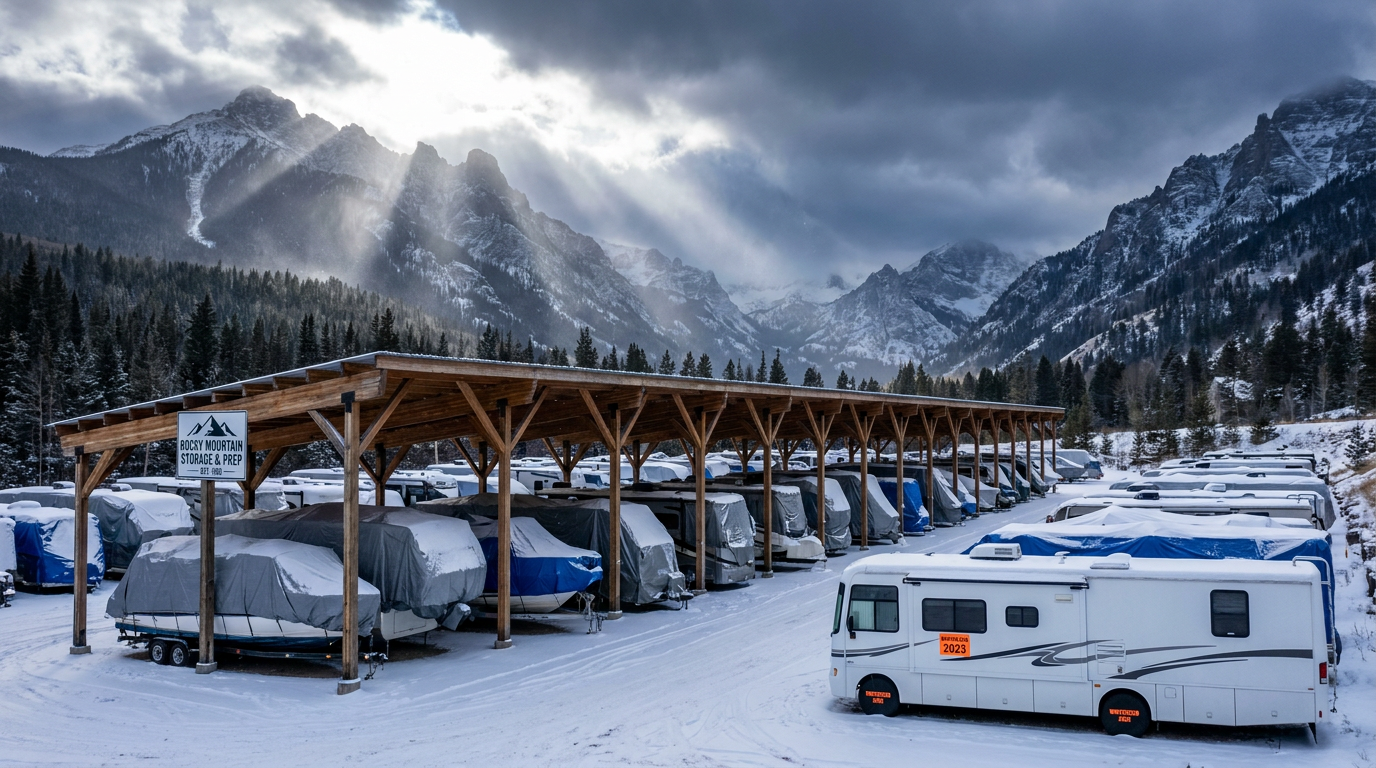
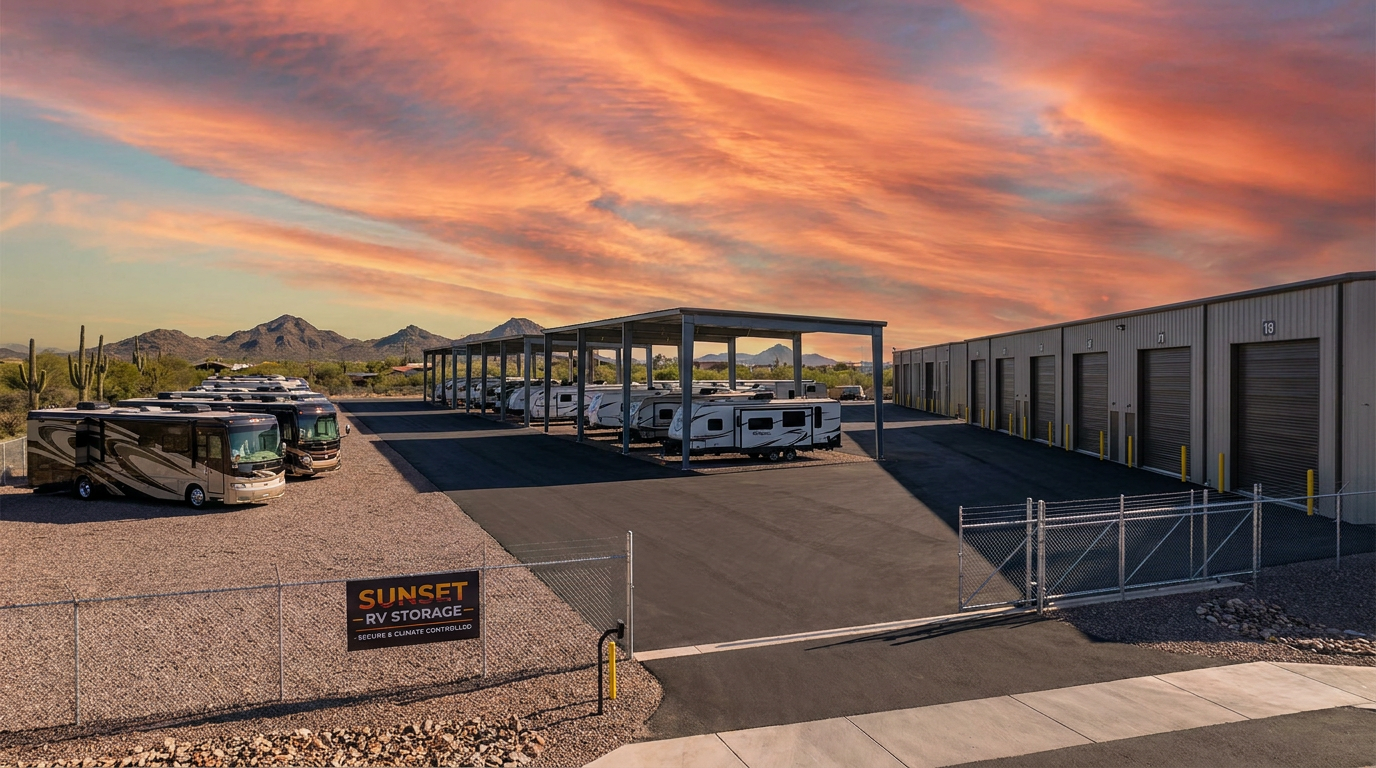
Colorado mountain storage presents unique challenges due to elevation and temperature extremes. Facilities in areas like the Vail Valley, where temperatures can swing 50 degrees in a single day, require careful consideration. For larger items like RVs, boats, and trailers, covered storage with weather protection provides an alternative to enclosed climate-controlled units.
Can You Sleep in a Storage Unit?
Sleeping or living in a storage unit is illegal in all 50 states and violates every major storage operator's rental agreement. Storage facilities lack proper ventilation, fire exits, sanitation, and safety features required for human habitation. Violations result in immediate lease termination and potential criminal charges.
Beyond legality, the practical dangers are severe. Most units lack electricity, running water, and adequate airflow. Carbon monoxide buildup from vehicles in drive-up facilities creates life-threatening conditions. Facilities monitor for unauthorized habitation through security cameras and regular property checks.
What Does a 5x5 Storage Unit Look Like?
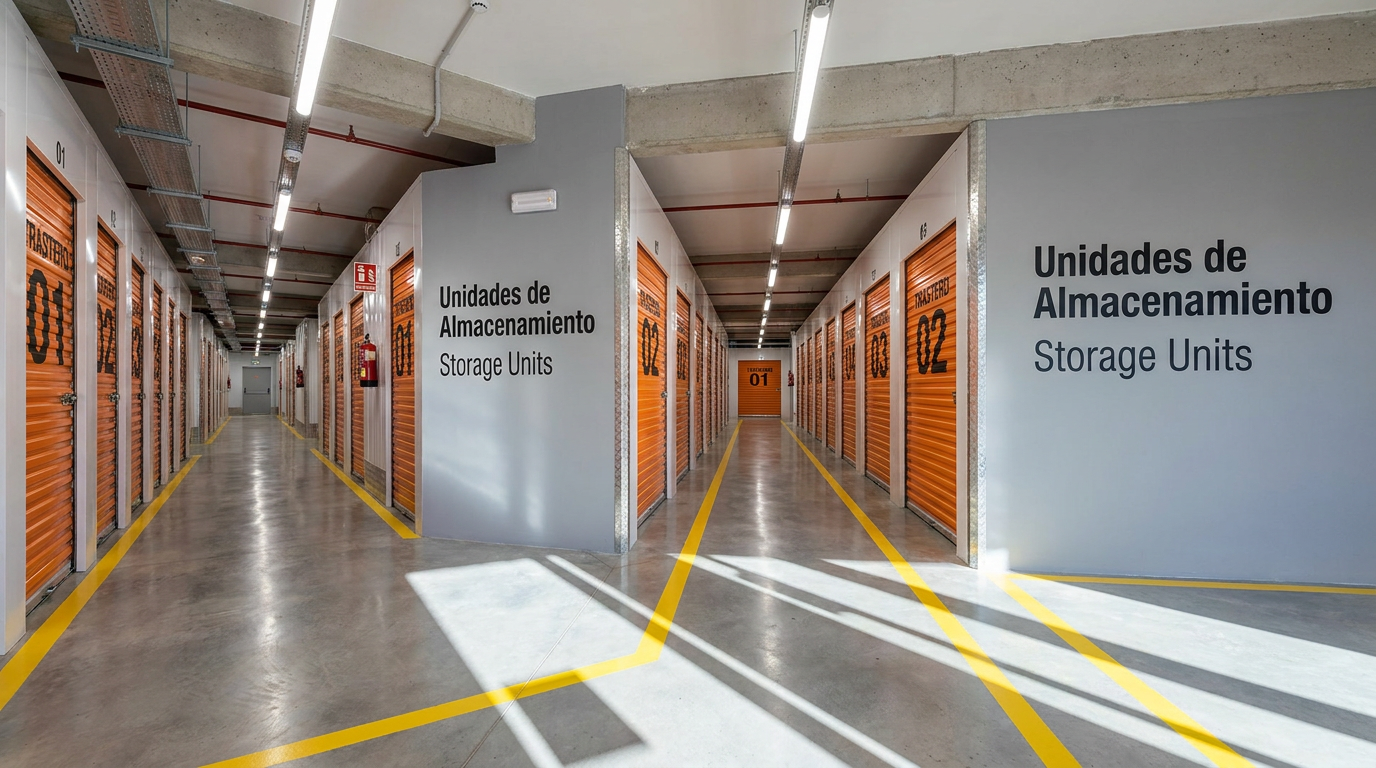
A 5x5 unit typically features a roll-up metal door approximately 4 feet wide and 6 to 7 feet tall. Interior walls are usually corrugated metal in outdoor facilities or drywall in indoor climate-controlled buildings. Ceiling heights range from 8 to 10 feet depending on the facility design.
According to Public Storage's unit specifications, actual dimensions may vary slightly, with some locations offering 3x4, 4x5, or 5x4 configurations that provide similar square footage. Always verify exact dimensions before renting, especially if storing items with specific size requirements.
Indoor units accessed via hallways offer better protection from weather and temperature extremes. Outdoor drive-up units provide easier loading and unloading for heavier items. First-floor units eliminate the need to navigate stairs or elevators with heavy boxes.
How to Maximize Space in a 5x5 Unit
Vertical stacking represents the most effective strategy for small units. Place heaviest boxes on the bottom and lighter items on top. Use uniform box sizes when possible to create stable stacks reaching the ceiling. The 200 cubic feet of total capacity only materializes when you utilize the full 8-foot height.
Disassemble furniture to reduce footprint. Remove legs from tables, take apart bed frames, and separate shelving units. Store mattresses vertically against the back wall to free floor space. Vacuum-seal clothing and bedding to compress soft goods by 50% to 75%.
Create an access pathway if you need to retrieve items regularly. Leave a 2-foot aisle down the center or along one wall. Label all boxes on multiple sides so you can identify contents without moving other items. Place frequently accessed items near the front of the unit.
When a 5x5 Unit Is Not Enough: Larger Storage Options
Storage needs often grow beyond what a 5x5 can accommodate. Moving from an apartment, downsizing a home, or storing vehicles requires significantly more space. Understanding the full range of storage options helps you select the right size from the start.
A 10x10 unit provides 100 square feet, equivalent to a small bedroom, and holds the contents of a one to two bedroom apartment. This size accommodates larger furniture, appliances, and multiple mattresses. Monthly costs range from $100 to $200 depending on location and features.
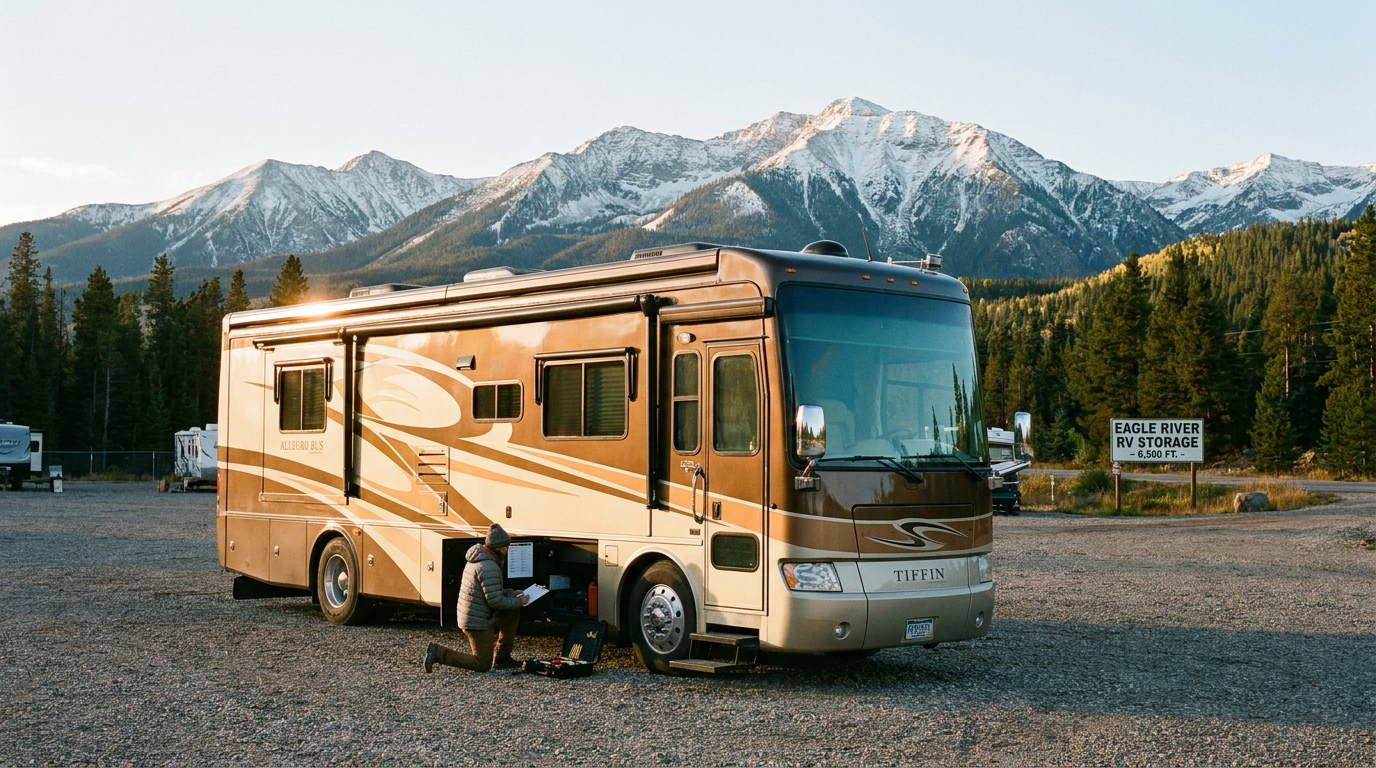
Vehicle storage requires dedicated parking spaces rather than traditional enclosed units. RVs, boats, and trailers need 12-foot to 14-foot wide spaces ranging from 20 to 50 feet long. Covered parking with electric hookups protects vehicles from weather damage while allowing battery maintenance. The FAQ page at Eagle Canopy covers common questions about sizing storage spaces for different vehicle types.
Frequently Asked Questions About 5x5 Storage Units
How much stuff will a 5x5 storage unit hold?
A 5x5 unit holds approximately 20 to 25 medium moving boxes (18x18x16 inches) when stacked to the ceiling. Alternatively, it fits a combination of small furniture items like a twin mattress, small dresser, and 10 to 15 boxes. The 200 cubic feet of total capacity equals roughly one large closet worth of belongings.
Can you fit a queen mattress in a 5x5 storage unit?
No, a queen mattress measures 60 inches (5 feet) wide by 80 inches (6.67 feet) long. While the width technically matches the unit width, the length exceeds the unit depth, preventing entry through the door. Queen and king mattresses require a 5x10 or larger unit where they can be stored vertically against the longer wall.
What does a 5ft by 5ft storage unit look like?
A 5x5 unit resembles a large walk-in closet with metal walls and a roll-up door. The door opening is typically 4 feet wide and 6 to 7 feet tall. Interior ceiling heights reach 8 to 10 feet. Indoor units have finished walls and climate control, while outdoor units feature corrugated metal construction with drive-up access.
Is a 5x5 the smallest storage unit available?
Most facilities offer locker-sized units smaller than 5x5. Common smaller options include 3x3 (9 square feet), 3x4 (12 square feet), and 4x4 (16 square feet) lockers. These work well for a few boxes of documents, seasonal decorations, or small personal items. Pricing for lockers typically ranges from $20 to $40 monthly.
How do I know if I need climate-controlled storage?
Choose climate control if storing electronics, wooden furniture, leather goods, photographs, documents, wine, musical instruments, or artwork. These items suffer damage from temperature extremes and humidity fluctuations. Standard storage works for plastic items, metal tools, outdoor equipment, and items you would store in an unheated garage.
Choosing the Right Storage Solution for Your Needs
A 5x5 storage unit serves as an affordable entry point for basic storage needs, offering 25 square feet at $32 to $138 monthly depending on your location. The size works well for seasonal items, small furniture, business documents, and college belongings. Understanding exact dimensions, capacity limits, and pricing factors helps you avoid renting more space than necessary.
For items larger than what a 5x5 accommodates, or for vehicles like RVs, boats, and trailers, specialized storage facilities offer purpose-built solutions. Eagle Canopy RV Storage in Gypsum, Colorado provides covered parking with electric hookups for vehicles requiring protection from mountain weather conditions.
Whether you need a small closet-sized unit for boxes or a 50-foot covered space for a Class A motorhome, matching your storage choice to your specific items ensures you pay only for the space you actually need while keeping your belongings protected.
|